OnBinder
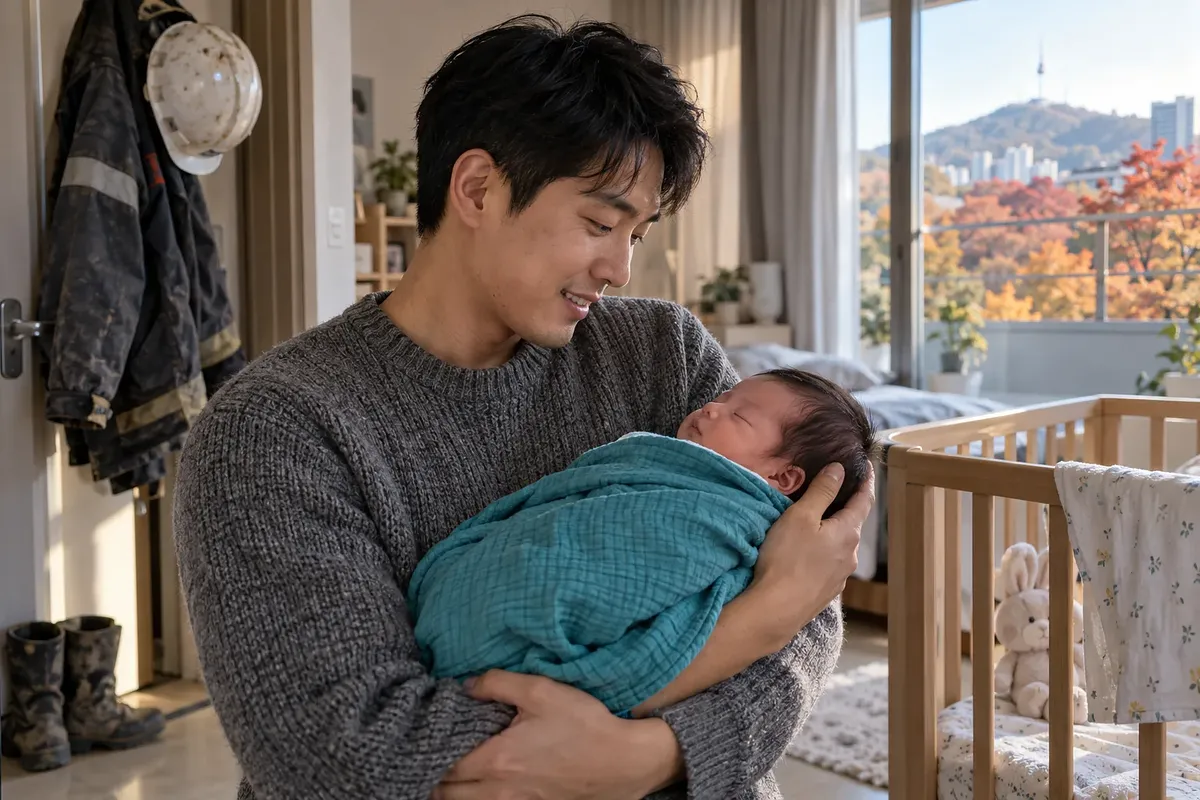
The 2026 New Family Birth Celebration Grant is for construction workers who have had a child. Applicants must have at least 252 credited days in total and meet a requirement of 100 days within a specified period. They must also have been registered as a covered worker when the child was born. The standard grant is 300,000 won.
The figures and dates are based on an October 1, 2026 press release and the 2026 program information on 건설e음.
How do the 252-day and 100-day requirements differ?
The 252 days are the total number of credited days. The 100 days must fall within a specified period. Meeting just one of these requirements is not enough. Both are assessed as of the application date.
| Criterion | 2026 requirement |
|---|---|
| Child's birth | Born during 2026, on or after January 1, 2026 |
| Total credited days | At least 252 days as of the application date |
| Recent work requirement | At least 100 credited days in the past 12 months or the previous calendar year |
| Female workers | At least 100 credited days in the past 24 months also qualifies, taking pregnancy into account |
For a 2026 application, the previous calendar year is 2025. The past 12 months and the previous calendar year are assessed separately, and either period can be used. The 24-month rule for female workers does not remove the requirement for 252 days in total.
The wording for this program in the 건설e음 “Welfare Service Application Guide” is as follows.
②A person with at least 100 credited days in the past 12 months or the previous calendar year as of the application date
Credited days are determined from the days recorded under the retirement mutual aid scheme. They cannot be calculated solely from the calendar period spent working in construction. The association can confirm the exact periods used for the recent-work calculation. The eligibility criteria are set out in the 건설e음 program information.
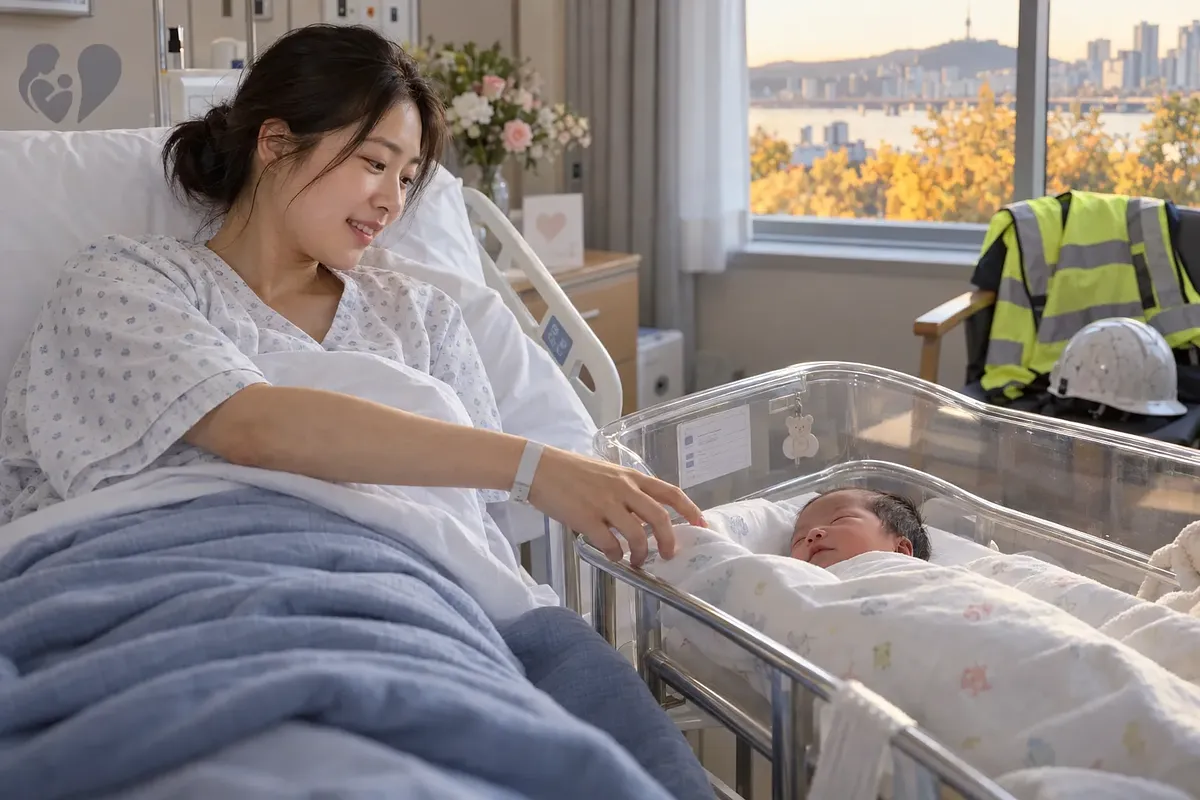
Construction workers who give birth in 2026 need at least 252 credited days by the application date.AI-generated image
When the birth date and application date differ
Even if an applicant has enough credited days by the application date, they must separately meet the registration requirement on the child's birth date. A covered worker is a worker registered under the retirement mutual aid scheme. The association advises applicants to check their work records from before the year and month in which the child was born.
| Point in time | What to check | Important distinction |
|---|---|---|
| Child's birth date | Registration as a covered worker | Registration at the time of application is not a substitute |
| Application date | Total credited days and credited days within the specified period | Distinguish these from the number of days at the time of birth |
| Document issue date | Validity of the family relationship certificate | Must have been issued within the past 3 months as of the application date |
These distinctions show the limits of delaying an application. Credited days may increase before the application date. But later registration does not replace registration at the time of birth. If a worker's first work record falls in the month the child was born, they need to check with the association.
Assessing different situations
Meeting some of the day-count requirements does not make a person eligible if another requirement is missing. The following examples combine the published criteria. The final decision also takes into account registration on the birth date and any grounds for exclusion.
| Situation | Assessment under the criteria |
|---|---|
| At least 252 days in total, but the 100-day requirement for the specified period is not met | Credited-day requirements not met |
| Fewer than 100 days in the past 12 months, but at least 100 days in 2025 | May meet the requirement for the specified period |
| A female worker has at least 100 credited days in the past 24 months | May meet the period requirement for female workers |
| Both spouses individually meet every requirement | Only one may claim |
Comparing the 300,000 won grant with the birth celebration package
The standard grant is 300,000 won, and supplies are added from the second child onward. Thus, “worth up to 500,000 won” combines the grant with the value of the supplies. It does not mean 500,000 won entirely in cash.
| Birth order of child born in 2026 | Grant | Birth and childcare supplies package | Total value |
|---|---|---|---|
| First child | 300,000 won | None | 300,000 won |
| Second child | 300,000 won | Worth 100,000 won | Worth 400,000 won |
| Third or later child | 300,000 won | Worth 200,000 won | Worth 500,000 won |
For a second child, the total adds supplies worth 100,000 won to the 300,000 won grant. For a third or later child, the grant itself remains 300,000 won. The Ministry of Employment and Labor's October 1, 2026 press release explains the expanded support for families with multiple children.
A contracted provider is expected to contact package recipients from November 2026 onward. This is when contact is expected, not the date the grant will be deposited or the package will arrive.