 OnBinder
Social
A short written take on each piece of content: what changed and why it matters. Skim the point first, then follow through to the full article only for what interests you. Every take is drawn from real content, so the link takes you straight to the material it is based on.

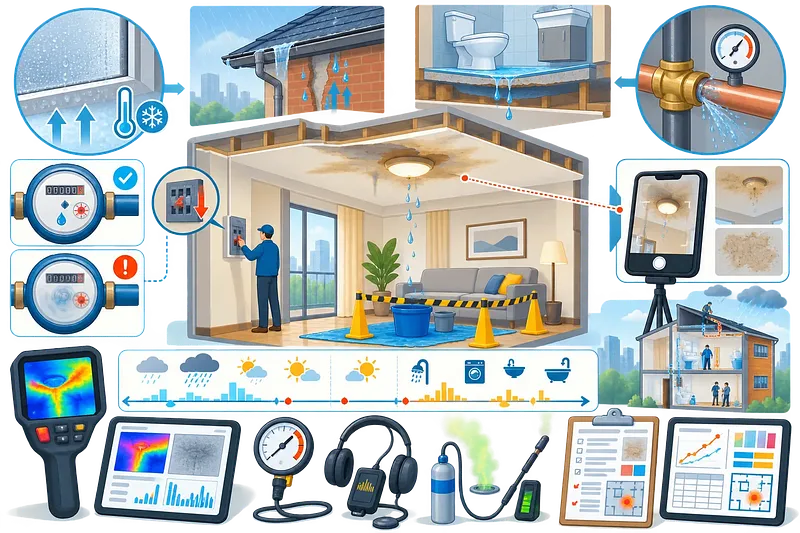
Before demolition, confirm the cause. Ceiling water can come from condensation, rainwater infiltration, a bathroom waterproofing failure, or a pipe problem. If water has reached a light or nearby wiring, the first decision is safety: stay away and switch off the relevant or main breaker only when that can be done from a dry location. The article sets out an evidence-based diagnostic sequence. Record the time, weather, hot-water use, bathroom or kitchen use, and changes in stains. Then stop all water use and observe whether the individual meter’s small dial or leak indicator continues moving. Comparing these observations helps narrow the likely source instead of treating every ceiling stain as the same problem. Before authorizing demolition, request records showing thermal imaging, pressure, acoustic, and gas-test results, including measurement locations. This supports a clearer decision about the cause and repair scope. Anyone assessing a ceiling leak before demolition should read the full article. #WaterLeaks #PropertyManagement


Future Preparedness Fund Proposal: Funding, Investment Areas, and National Assembly Oversight
Korea’s Future Preparedness Fund proposal raises an important public-finance question: how can temporary increases in tax revenue support durable economic capacity? The government has identified youth, growth engines, locally led growth, education, and talent as key investment areas. Yet the widely reported estimates of KRW 60–70 trillion and approximately KRW 100 trillion are based on different periods and assumptions, not finalized funding commitments. Why it matters: the fund’s impact will depend on legislation, National Assembly review, asset-management rules, measurable performance indicators, project exit criteria, and safeguards against overlap with existing programs. This article separates the proposal from the decisions that remain unresolved. #PublicFinance #EconomicPolicy


U.S. liquidity reform, stablecoin adoption, and the Strategic Bitcoin Reserve are often presented as direct catalysts for a Bitcoin rally. The underlying mechanisms are more nuanced. Easing the Supplementary Leverage Ratio could expand banks’ capacity to intermediate Treasury securities, but it is not quantitative easing or immediate money creation. Stablecoins can improve settlement speed through 24-hour availability, while the federal Bitcoin reserve currently consists of seized assets—not a mandate for unlimited open-market accumulation. For investors, this distinction matters. Bitcoin’s approximately 140 BTC in daily new issuance is only one variable; real interest rates, fund flows, leverage, and network security also shape market outcomes. The article separates potential demand support from claims of guaranteed price appreciation. #Bitcoin #MonetaryPolicy

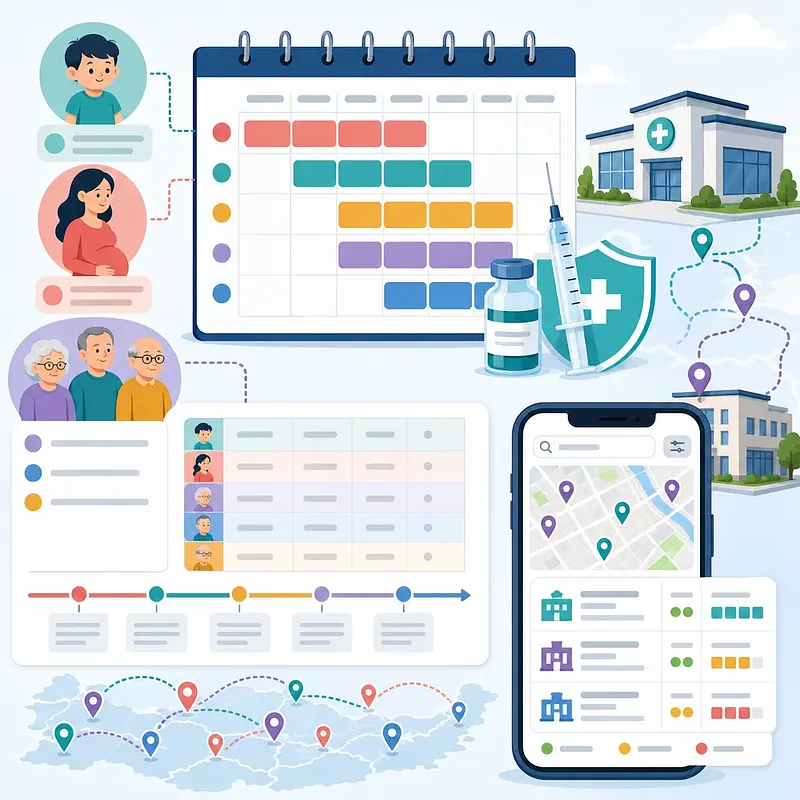
Korea’s national influenza vaccination program will expand free eligibility to children through age 14 for the 2026–2027 season. This change makes it important for families to verify the exact birth-date and age-in-months criteria before scheduling. Children requiring two doses and pregnant women may begin vaccination on September 21, 2026. Children requiring one dose may begin on September 28. Adults aged 65 and older will have different start dates based on age group. Eligible individuals can use participating designated medical institutions or vaccination-providing public health centers regardless of registered address. Because participation and vaccine inventory vary, confirm availability before visiting. The article summarizes the schedule and key planning points. #NationalImmunization #FluVaccination

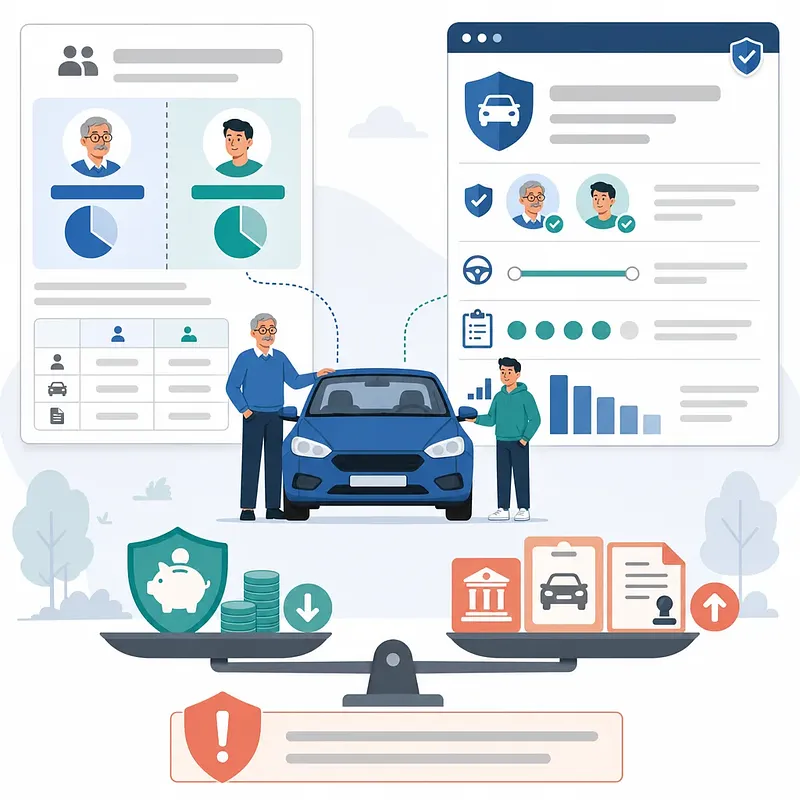
Joint car ownership can sometimes help reduce auto insurance premiums, but the registration arrangement itself is not what creates savings. The key factors are the named insured’s record, the actual drivers covered, age restrictions, and the permitted driver scope. This distinction matters when a parent and child share ownership. A policy in the parent’s name must still properly cover the child, and co-ownership may not automatically build the child’s recognized insurance history. Any premium difference should also be weighed against acquisition tax, registration costs, future sale procedures, and possible underwriting consequences if ownership is changed after an accident. The article explains the factors to review before deciding. #AutoInsurance #RiskManagement

How to Check Opaque Maintenance Fees Before Signing a Monthly Rental Contract
Before signing, price every extra. Advertised monthly rent is only one part of the actual housing cost. Maintenance fees, utilities, and option usage fees should be included in an average monthly total before making a contract decision. Opaque fee labels can hide different charging methods. Fixed, usage-based, and one-time costs need separate calculation bases, so the headline rent alone may not provide a reliable comparison between properties. The article outlines a practical approach: record the agreed fee items, settlement method, and process for receiving supporting documents in a special contract clause. After moving in, compare that clause with each maintenance bill, meter reading, and payment receipt. This provides a clearer basis for requesting written explanations when charges increase without supporting records. Prospective monthly renters and tenants reviewing post-move charges should read the article to assess their total housing costs and understand when an authority or dispute resolution procedure may be appropriate. #HousingLease #RentalCosts