 OnBinder
Social
A short written take on each piece of content: what changed and why it matters. Skim the point first, then follow through to the full article only for what interests you. Every take is drawn from real content, so the link takes you straight to the material it is based on.

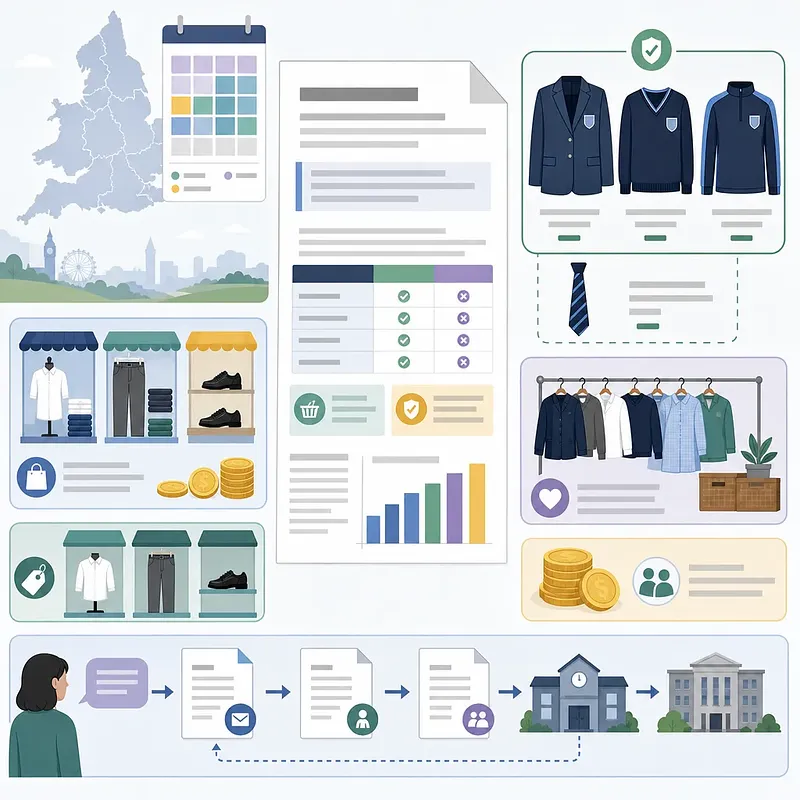
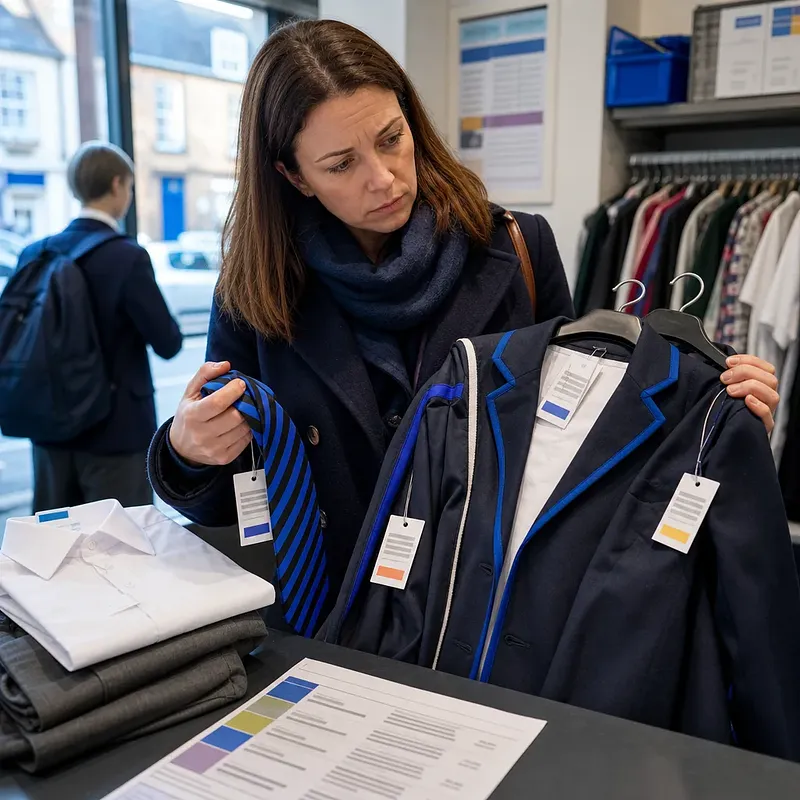
New school uniform rules in England will affect how many branded items schools can require from September 2026. The general cap will be three items, with a possible limit of four at secondary level when a compulsory tie is included. Importantly, “branded” does not necessarily mean logoed. Items with a distinctive colour or design—or those available only through a specified supplier—may also count. This matters for families assessing the full cost and accessibility of a school’s policy. The article outlines the limits, schools’ responsibilities regarding cost and second-hand access, and the steps parents can take when challenging a policy. #SchoolUniform #EducationExpenses
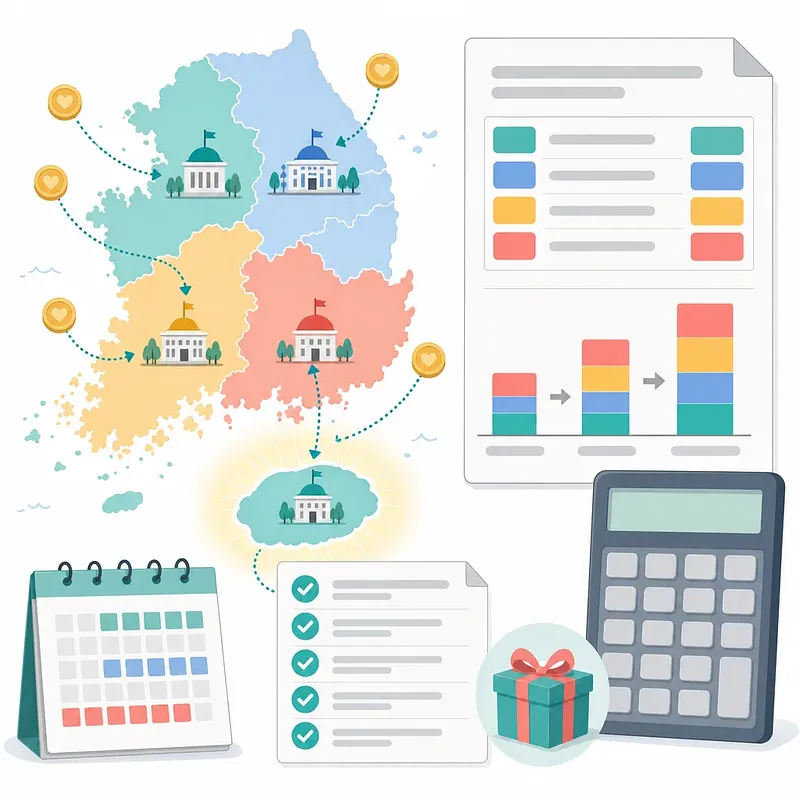
A proposed change to Korea’s Hometown Love Donation Program could introduce region-based tax credit incentives beginning in 2027. Under the plan, donations above KRW 100,000 would receive higher credit rates in designated non-capital and preferential regions. Certain brackets could rise from 44% to 55% and from 16.5% to 27.5%, with the calculation producing a maximum credit of KRW 5.6 million. Individuals may currently donate up to a combined KRW 20 million annually to local governments outside their registered place of residence. Understanding the brackets matters for donation and year-end tax planning. However, implementation timing, regional classifications, and rates may change during the legislative and regulatory process, so donors should confirm the latest rules before contributing. #TaxCredit #Taxes


7 Money Principles for Building Great Wealth: Ownership, Compounding, Leverage, and Survival
Sustainable wealth creation requires more than identifying opportunities with attractive upside. Investors also need ownership, reinvestment, sufficient time for compounding, and safeguards against permanent loss. This article presents seven principles for applying those ideas to real-world financial decisions. It examines how earned income and business cash flow can be converted into productive assets, why leverage magnifies interest costs and forced-liquidation risk, and how probability, downside analysis, position sizing, and diversification contribute to survival. The central lesson: long-term outcomes depend not only on returns, but also on staying financially capable of compounding after setbacks. #AssetAllocation #LongTermInvesting

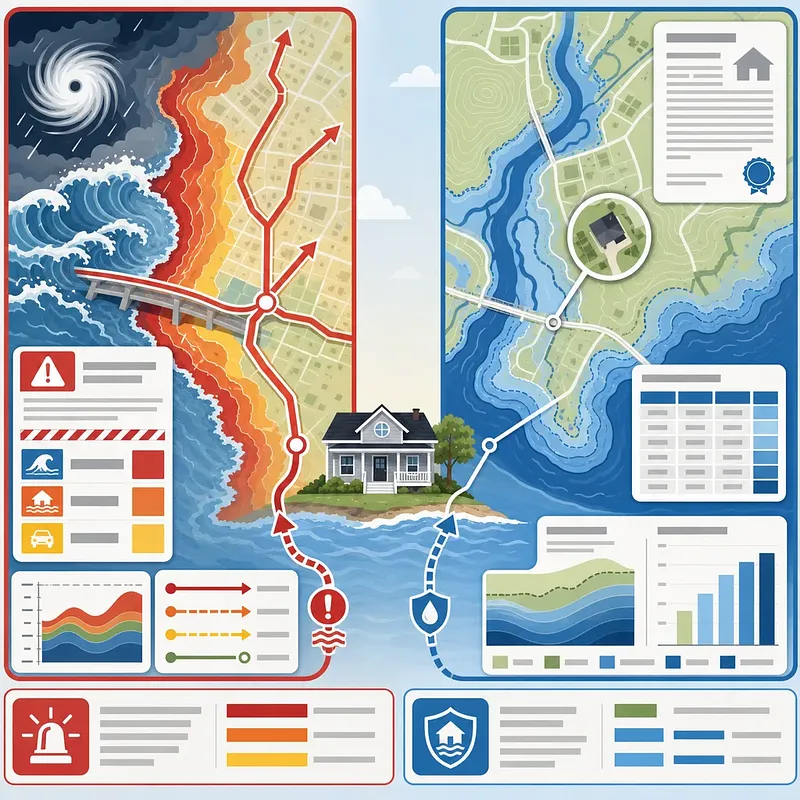
Hurricane evacuation zones and FEMA flood zones are often confused, especially when both maps use similar letters. However, they serve fundamentally different purposes. Local governments establish evacuation zones to guide immediate action based on storm surge exposure, evacuation time, and the possibility that an area could become isolated. FEMA flood zones describe long-term flood risk and inform insurance, lending, construction, and land-use decisions. This distinction matters for both emergency planning and real estate due diligence. A property may appear relatively low risk on a FEMA map yet still be located in a priority evacuation zone. Review current FEMA maps, revision records, building location and elevation data—and always follow the latest official local evacuation orders. #DisasterPreparedness #FEMA


Working parents in England who want to use 30 hours free childcare from September 2026 must apply online by August 31, 2026. Preparation matters: applicants should check the child age rules, each parent’s earned income, and adjusted net income requirements. The application may require a National Insurance number, a Unique Taxpayer Reference for self-employed applicants, and the child’s birth certificate reference number. Approval is not the final step. The issued 11-digit code must be given to the chosen childcare provider for validation, and eligibility must then be reconfirmed approximately every three months by the deadline in the Childcare Account. This guide explains each stage clearly. #FreeChildcare #WorkingParents

How a KRW 5 Billion Deposit Reflects Changes in South Korea's Senior Housing Market
A KRW 5 billion deposit should not be treated as the benchmark for senior housing in South Korea. It represents the upper end of pricing for certain high-end projects and highlights how the market is segmenting by assets, location preferences, and lifestyle expectations. This matters because urban senior housing increasingly combines residences with healthcare, dining, and leisure services, while high development costs and operational demands constrain supply. Prospective residents should assess the legal facility type, operator, recurring fees, healthcare access, refund structure, and long-term operating stability—not just the deposit. Public and middle-income models should likewise be judged by completed projects and operating records rather than planned supply alone. #SeniorHousing #HealthyAging #HousingMarket