 OnBinder
Social
A short written take on each piece of content: what changed and why it matters. Skim the point first, then follow through to the full article only for what interests you. Every take is drawn from real content, so the link takes you straight to the material it is based on.

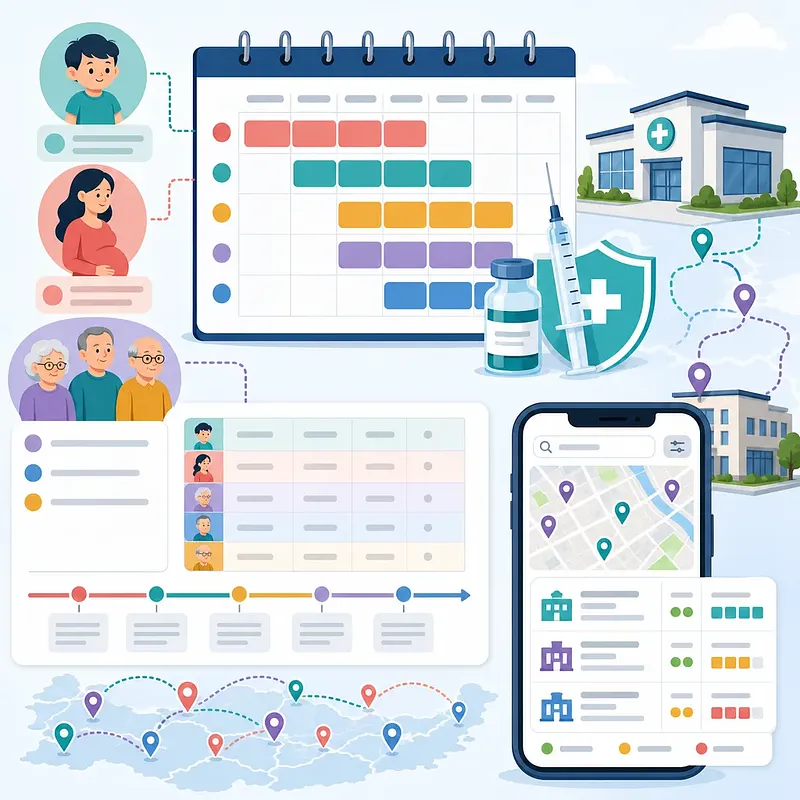
Korea’s national influenza vaccination program will expand free eligibility to children through age 14 for the 2026–2027 season. This change makes it important for families to verify the exact birth-date and age-in-months criteria before scheduling. Children requiring two doses and pregnant women may begin vaccination on September 21, 2026. Children requiring one dose may begin on September 28. Adults aged 65 and older will have different start dates based on age group. Eligible individuals can use participating designated medical institutions or vaccination-providing public health centers regardless of registered address. Because participation and vaccine inventory vary, confirm availability before visiting. The article summarizes the schedule and key planning points. #NationalImmunization #FluVaccination

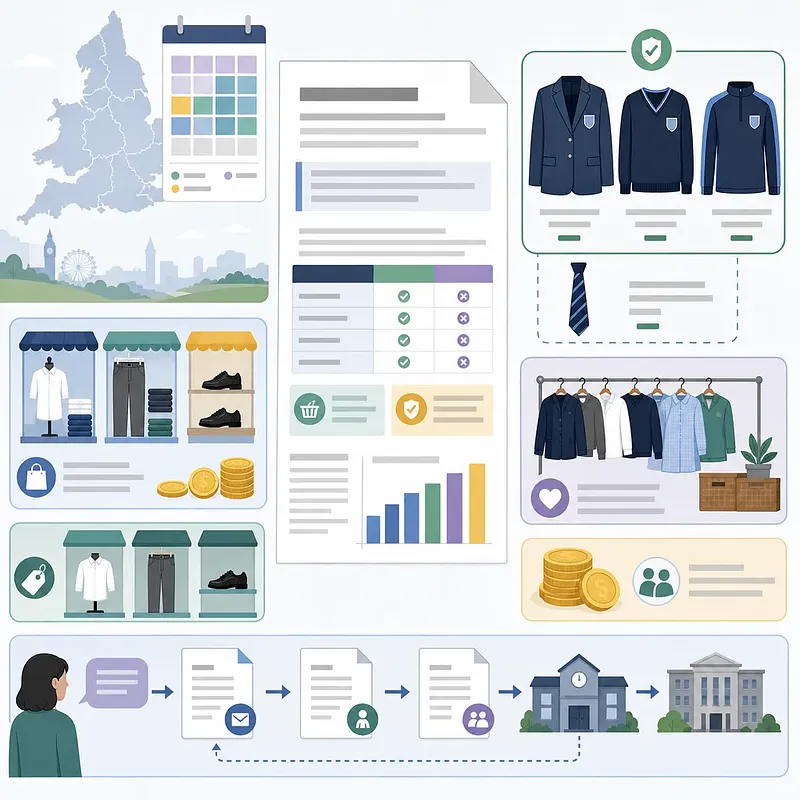
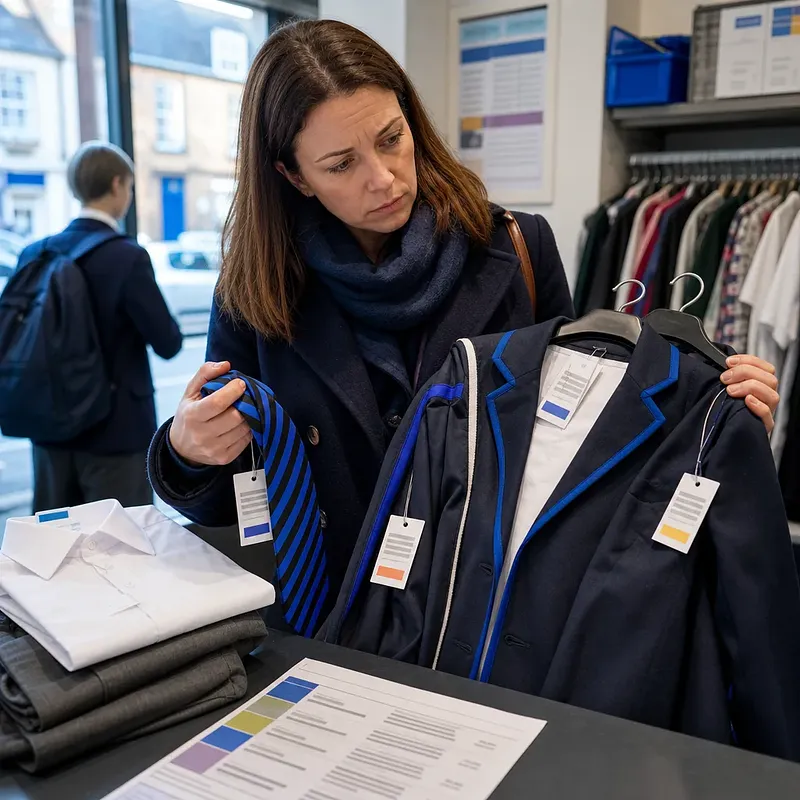
New school uniform rules in England will affect how many branded items schools can require from September 2026. The general cap will be three items, with a possible limit of four at secondary level when a compulsory tie is included. Importantly, “branded” does not necessarily mean logoed. Items with a distinctive colour or design—or those available only through a specified supplier—may also count. This matters for families assessing the full cost and accessibility of a school’s policy. The article outlines the limits, schools’ responsibilities regarding cost and second-hand access, and the steps parents can take when challenging a policy. #SchoolUniform #EducationExpenses
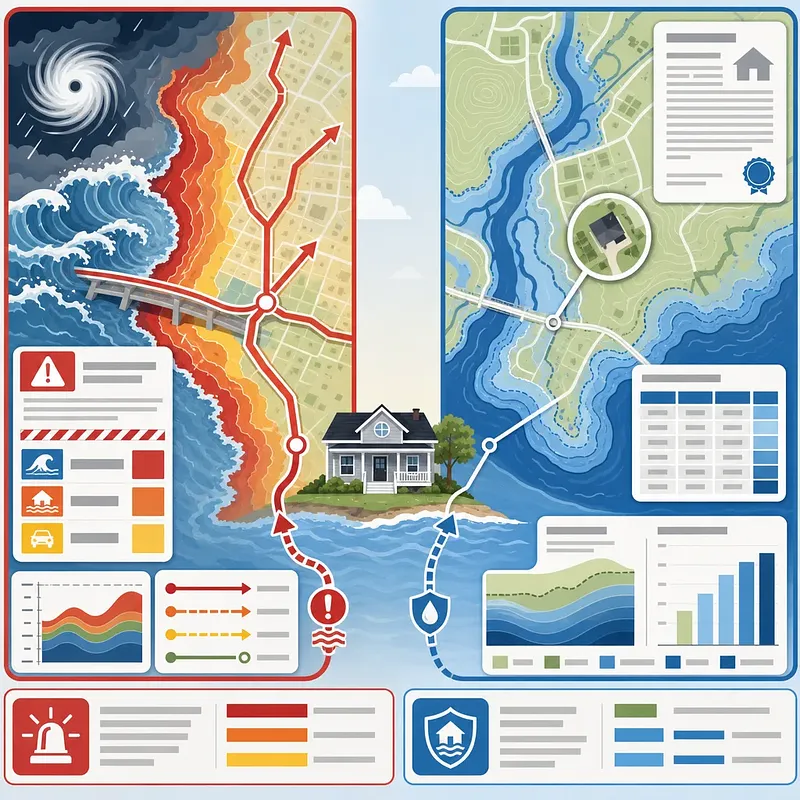
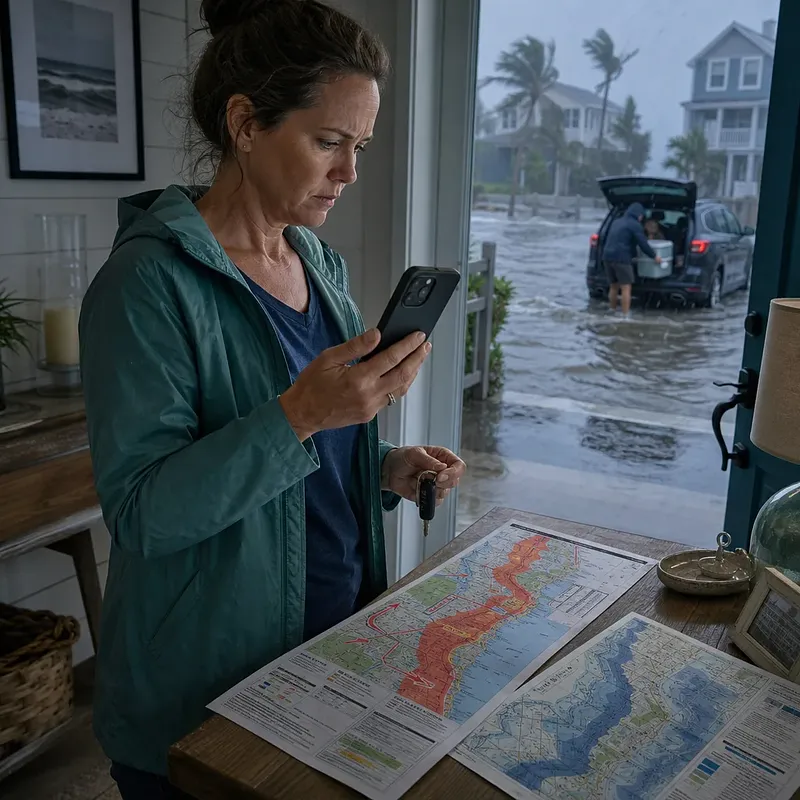
Hurricane evacuation zones and FEMA flood zones are often confused, especially when both maps use similar letters. However, they serve fundamentally different purposes. Local governments establish evacuation zones to guide immediate action based on storm surge exposure, evacuation time, and the possibility that an area could become isolated. FEMA flood zones describe long-term flood risk and inform insurance, lending, construction, and land-use decisions. This distinction matters for both emergency planning and real estate due diligence. A property may appear relatively low risk on a FEMA map yet still be located in a priority evacuation zone. Review current FEMA maps, revision records, building location and elevation data—and always follow the latest official local evacuation orders. #DisasterPreparedness #FEMA
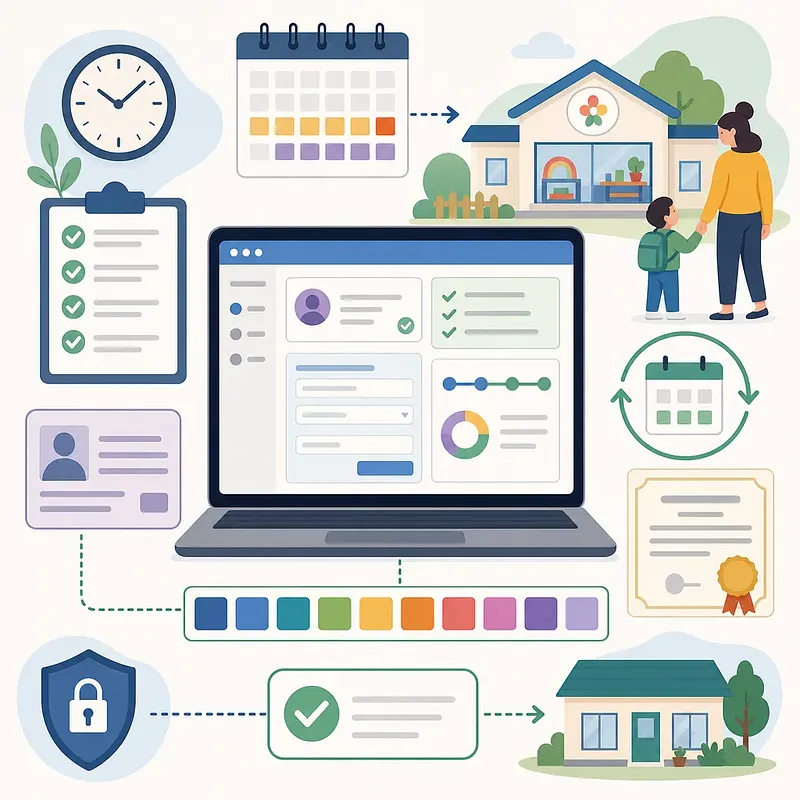
Working parents in England who want to use 30 hours free childcare from September 2026 must apply online by August 31, 2026. Preparation matters: applicants should check the child age rules, each parent’s earned income, and adjusted net income requirements. The application may require a National Insurance number, a Unique Taxpayer Reference for self-employed applicants, and the child’s birth certificate reference number. Approval is not the final step. The issued 11-digit code must be given to the chosen childcare provider for validation, and eligibility must then be reconfirmed approximately every three months by the deadline in the Childcare Account. This guide explains each stage clearly. #FreeChildcare #WorkingParents


The Future Response Fund proposal could turn a portion of tax revenue collected above forecasts—including revenue associated with the semiconductor boom—into a source of long-term investment and fiscal stabilization. Why it matters: the frequently cited fund sizes of 60–70 trillion won or around 100 trillion won are projections, not finalized commitments. Specific allocations for youth, growth engines, local regions, education, and talent will depend on the official bill and fund management plan. Effective governance will also require clear accumulation and withdrawal criteria, controls on plan changes and overlapping programs, performance evaluation, loss management, and rules for terminating unsuccessful initiatives. The article separates the proposal’s stated direction from the details that still need confirmation. #PublicFinance #FiscalPolicy

How to Distinguish Condensation, Waterproofing Failure, and Pipe Leaks in a Ceiling Leak
Before demolition, confirm the cause. Ceiling water can come from condensation, rainwater infiltration, a bathroom waterproofing failure, or a pipe problem. If water has reached a light or nearby wiring, the first decision is safety: stay away and switch off the relevant or main breaker only when that can be done from a dry location. The article sets out an evidence-based diagnostic sequence. Record the time, weather, hot-water use, bathroom or kitchen use, and changes in stains. Then stop all water use and observe whether the individual meter’s small dial or leak indicator continues moving. Comparing these observations helps narrow the likely source instead of treating every ceiling stain as the same problem. Before authorizing demolition, request records showing thermal imaging, pressure, acoustic, and gas-test results, including measurement locations. This supports a clearer decision about the cause and repair scope. Anyone assessing a ceiling leak before demolition should read the full article. #WaterLeaks #PropertyManagement