Social
A short written take on each piece of content: what changed and why it matters. Skim the point first, then follow through to the full article only for what interests you. Every take is drawn from real content, so the link takes you straight to the material it is based on.


Anthropic's filing will show share mix. The reported $2 trillion is company value, not cash raised. The late-September timing and valuation remain media scenarios rather than official IPO terms. This distinction matters because valuation alone does not reveal how much new supply may enter the market. It also cannot establish that a mega-IPO would cause a stock market decline in the same year. The article provides a practical framework for reviewing the public registration statement: start with the number of shares offered, then separate new shares from sales by existing shareholders. For valuation analysis, calculate the revenue multiple using the latest annualized revenue data rather than relying on the headline figure. Investors, analysts, and portfolio decision-makers evaluating the reported Anthropic IPO scenario should read the analysis before drawing conclusions about fundraising or broader market impact.

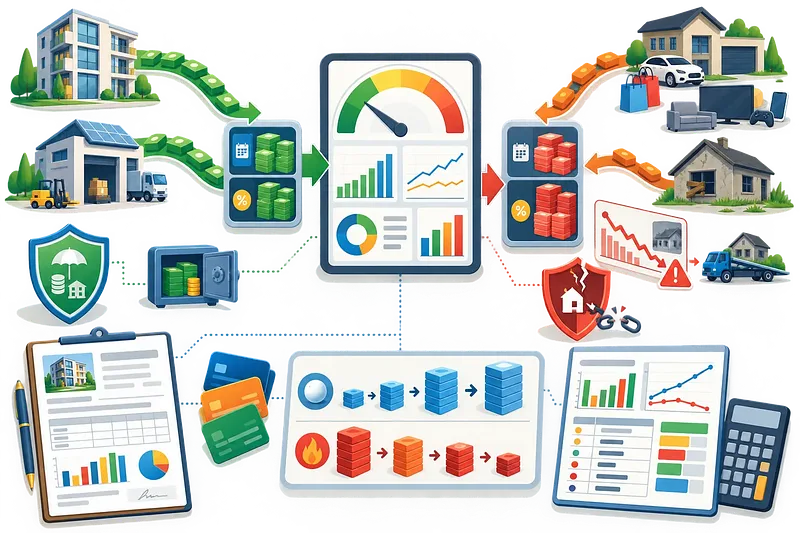
Good Debt vs Bad Debt: Cash Flow Test
Debt quality starts with net cash flow. For professionals evaluating a leveraged asset or acquisition, the central question is not simply what the borrowed money buys. It is whether net cash flow after expenses can cover principal and interest while allowing the borrower to withstand downside. The article provides a practical framework for that decision. It distinguishes revenue from cash available for repayment, explains why an income-generating asset can still represent bad debt, and highlights the effects of falling collateral values and personal guarantee obligations. A stock-secured loan may preserve ownership initially, but a decline in collateral value can create forced-sale risk. It also addresses consumer balances. Consumption debt is generally repaid from earned income, while credit card balances can be approached with the snowball or avalanche method. Business buyers, borrowers considering stock-secured loans, and people reviewing card balances should read the article before classifying a loan by purpose alone. #EverydayFinance #Loans

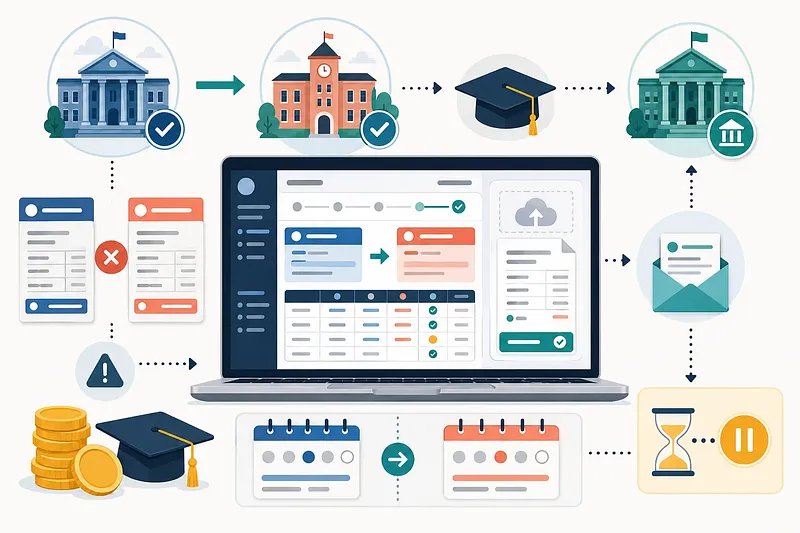
SFE applicants face a fee mismatch. Verify the course and fee with university finance before changing the SFE record. The timing matters. University or course changes made through Clearing must be reported separately to SFE as well as UCAS. Before the course starts, students can amend their university, course and Tuition Fee Loan details through their online account. The article sets out which details to confirm: course name, mode of study, academic year and the correct tuition fee. It also explains the alternative route when online changes are unavailable, including uploading a CO1 form and supporting evidence as instructed. Once the course has started, the university must send changes to the Student Loans Company. If the loan has not been processed by that point, students should ask the university to report the change and confirm whether tuition payment can be deferred. Students using SFE after Clearing, or anyone whose loan amount differs from the university’s charge, should read the correction process before choosing the next step. #StudentFinance #HigherEducation

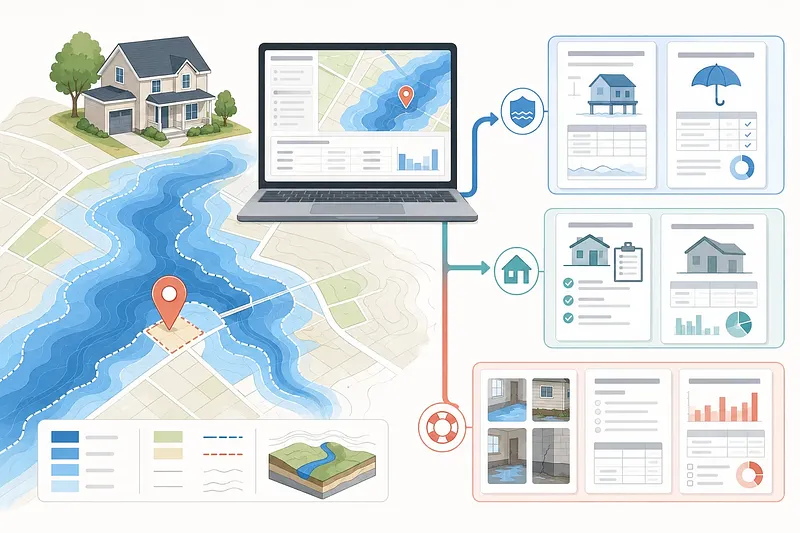
Owners need address-level FEMA checks. A full-address search identifies the flood zone and effective FIRM panel worth retaining for insurance discussions. Zone X or AE should be interpreted alongside the property’s Elevation Certificate. A map label alone does not determine every lender requirement, insurance condition, coverage question, or disaster assistance outcome. This guide explains how to search the FEMA Flood Map Service Center and save the relevant map information. It then distinguishes the eligibility and coverage conditions associated with NFIP flood insurance, standard homeowners insurance, and FEMA individual disaster assistance. Those distinctions help property owners prepare more focused questions for lenders and insurers. After flood damage, filing an insurance claim and applying for disaster assistance are separate actions. U.S. property owners evaluating risk or managing damage can read the article for the lookup, documentation, and response steps. #FEMA #FloodInsurance

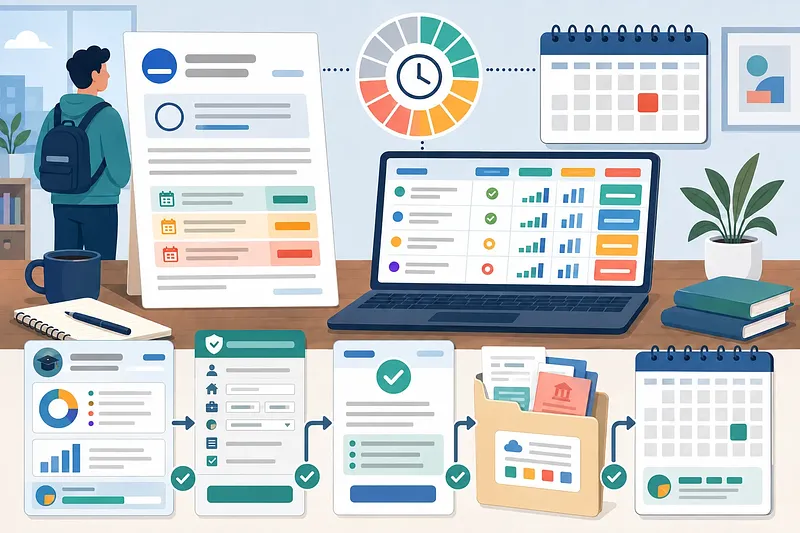
SAVE Plan borrowers get 90 days. That window begins on the date in each borrower’s individual servicer notice, making the notice—not a generic calendar date—the basis for planning the transition. Eligibility varies by repayment plan. Loan type and contact information should therefore be reviewed on StudentAid.gov and in the servicer account before an application is submitted. The article lays out a practical decision sequence: use Loan Simulator to compare the displayed options, including RAP and IBR, and review their estimated payments. Then apply for an eligible plan through the official income-driven repayment application process. It also covers the records worth retaining and the final confirmations to make: the approved repayment plan and the first billing date. Together, these steps provide a documented path from plan comparison to the first payment. SAVE Plan borrowers who have received an individual servicer notice should read the article and work through the steps against their own deadline. #StudentLoans #LoanRepayment

US Dollar Index: 100 Baseline and Interpretation
FX teams see the Dollar Index at 100. That figure marks the dollar's March 1973 baseline, not a neutral forecast for USD/KRW or purchasing power. The distinction matters because the index measures the dollar against six major currencies. USD/KRW uses a different comparison target, so the two measures can move in opposite directions. The article explains what a reading above 100 does and does not mean, identifies the euro, yen, pound, Canadian dollar, Swedish krona, and Swiss franc in the basket, and notes that euro and Swiss franc weights and rankings should be verified in official US Dollar Index composition data. This gives analysts a clearer basis for interpreting broad dollar strength without treating it as a won-rate signal. Professionals monitoring the dollar alongside the Korean won should read the article before using the index in market commentary or analysis. #DollarIndex #ForeignExchange