 OnBinder
Social
A short written take on each piece of content: what changed and why it matters. Skim the point first, then follow through to the full article only for what interests you. Every take is drawn from real content, so the link takes you straight to the material it is based on.


SAVE Plan borrowers get 90 days. That window begins on the date in each borrower’s individual servicer notice, making the notice—not a generic calendar date—the basis for planning the transition. Eligibility varies by repayment plan. Loan type and contact information should therefore be reviewed on StudentAid.gov and in the servicer account before an application is submitted. The article lays out a practical decision sequence: use Loan Simulator to compare the displayed options, including RAP and IBR, and review their estimated payments. Then apply for an eligible plan through the official income-driven repayment application process. It also covers the records worth retaining and the final confirmations to make: the approved repayment plan and the first billing date. Together, these steps provide a documented path from plan comparison to the first payment. SAVE Plan borrowers who have received an individual servicer notice should read the article and work through the steps against their own deadline. #StudentLoans #LoanRepayment


Spain Bono Social: Apply for 42.5% or 57.5% Off
PVPC users need ≤10kW for Bono Social. Eligible vulnerable households can seek a 42.5% or 57.5% electricity discount through December 31, 2026, making the tariff and power checks central to the decision. The article provides a practical application sequence: verify the contract holder on the electricity bill, confirm the PVPC tariff and contracted power, then identify the relevant category based on income, minimum pension, large-family status, or Minimum Vital Income. It also details the evidence to assemble—identification, residence registration, family relationship documents, and proof of eligibility—along with the retailer’s application and personal-information consent forms. Preparing these items before submission can reduce avoidable gaps in the application. This is most relevant to vulnerable households already on PVPC with contracted power of 10kW or less. Applications go directly to the contracted reference retailer through its website, email, post, or branch office. Read the article for the full process before submitting. #EnergyVoucher #ElectricityRates


NFIP Flood Insurance: 30-Day Wait and Hurricane Coverage
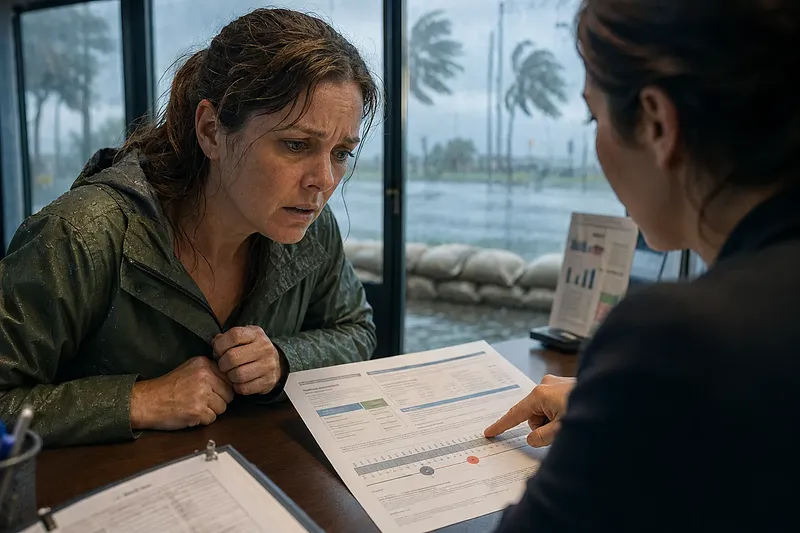
NFIP buyers must weigh a 30-day wait. New policies and increases in coverage generally do not take effect until 30 days after enrollment. That timing can determine whether a property owner has insurance protection when storm surge or surface water enters at ground level. The distinction from other forms of support is equally important. Standard homeowners insurance generally excludes this flood damage. FEMA disaster assistance requires a presidential disaster declaration and eligibility review, and it cannot duplicate an insurance payment for the same loss. The article maps the decision points: when mortgage transactions, flood-map changes, flooding after wildfires on federal land, or renewal-time increases may qualify for exceptions; why buildings and belongings are insured separately; and how a deductible applies to each. These details help property owners compare options and document the correct type of damage when filing a claim. Property owners considering a new NFIP policy or higher limits should read the overview before making a coverage decision. #NFIP #FloodInsurance
England School Uniform Limits: 3 or 4 Items in 2026
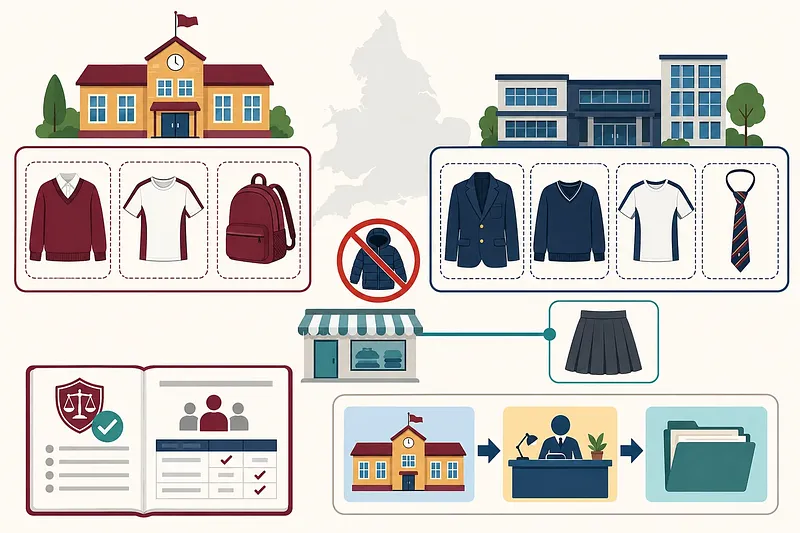
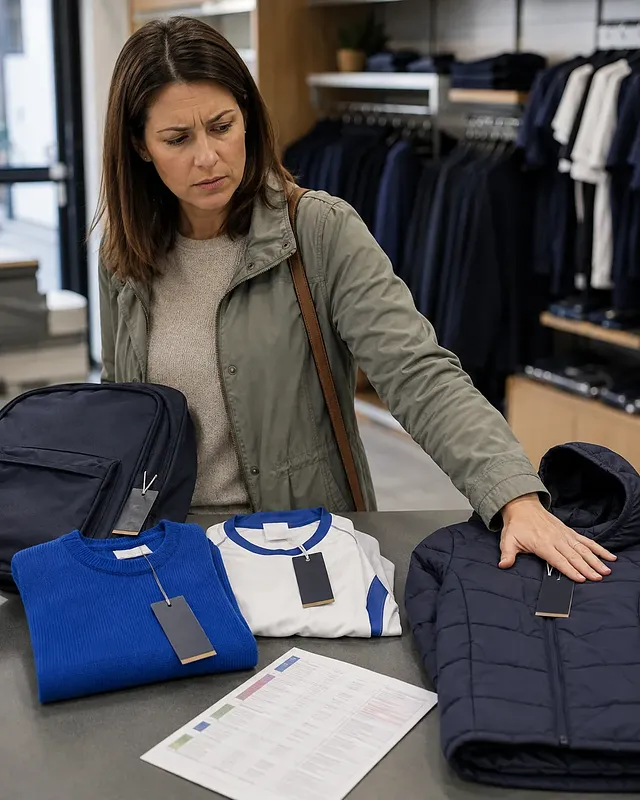
Logo-free uniform items may count. From September 2026, England primaries face a three-item cap; secondaries may use four only when one item is a tie. The classification is broader than a visible badge. An item available only from a specified supplier may be branded, while optional pieces, seasonal wear, PE kit and bags also count when they meet the branded-item criteria. The article separates the primary and secondary limits and explains the tie exception. This gives school leaders, governors and families a clearer basis for reviewing uniform policies and purchase lists before the rules take effect. If a school appears to exceed the cap, the stated route starts with the headteacher and then moves to the school’s formal complaints procedure. Professionals responsible for uniform policy, and families at primary or secondary schools in England, should read the article for the full framework. #SchoolUniform #EducationPolicy
2026 National Foundation Day Substitute Holiday: Oct 5
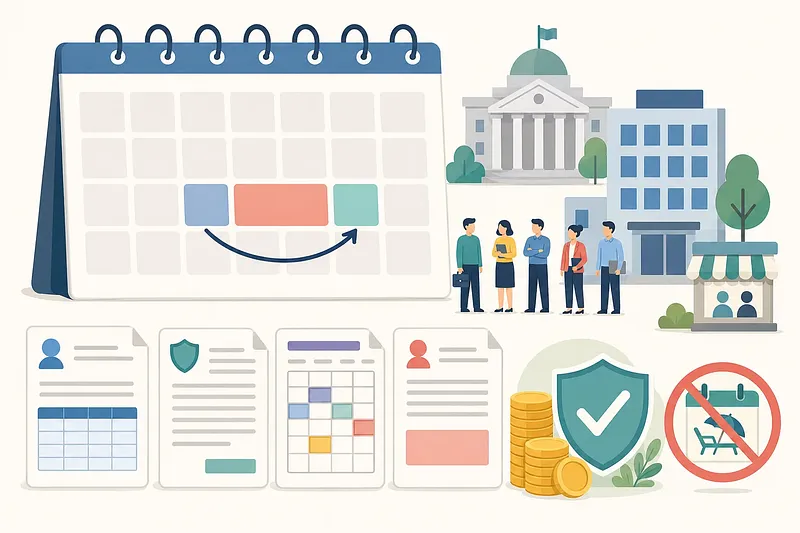
5+ workplaces face Oct 5 holiday rules. In principle, private-sector workplaces with at least five regularly employed workers must treat the 2026 substitute holiday as paid. National Foundation Day falls on Saturday, October 3, moving the observance to Monday, October 5. The article separates three decisions that are often conflated: whether the day applies to a workplace, how premium pay for work that day should be checked, and whether annual leave can be used. Premium-pay treatment should be verified against the Labor Standards Act and Ministry of Employment and Labor guidance. It also makes the leave boundary clear: a company cannot unilaterally deduct the substitute holiday from an employee’s annual leave. This helps HR teams and employees preserve accurate schedules, pay calculations, and leave balances. HR professionals, managers, and employees in government offices or private workplaces should read the article first. Smaller workplaces should compare ministry guidance with employment contracts and rules of employment before deciding how the day applies. #LaborLaw #SubstituteHoliday

FEMA Flood Map and Insurance Lookup by Address
Owners need address-level FEMA checks. A full-address search identifies the flood zone and effective FIRM panel worth retaining for insurance discussions. Zone X or AE should be interpreted alongside the property’s Elevation Certificate. A map label alone does not determine every lender requirement, insurance condition, coverage question, or disaster assistance outcome. This guide explains how to search the FEMA Flood Map Service Center and save the relevant map information. It then distinguishes the eligibility and coverage conditions associated with NFIP flood insurance, standard homeowners insurance, and FEMA individual disaster assistance. Those distinctions help property owners prepare more focused questions for lenders and insurers. After flood damage, filing an insurance claim and applying for disaster assistance are separate actions. U.S. property owners evaluating risk or managing damage can read the article for the lookup, documentation, and response steps. #FEMA #FloodInsurance