Social
A short written take on each piece of content: what changed and why it matters. Skim the point first, then follow through to the full article only for what interests you. Every take is drawn from real content, so the link takes you straight to the material it is based on.

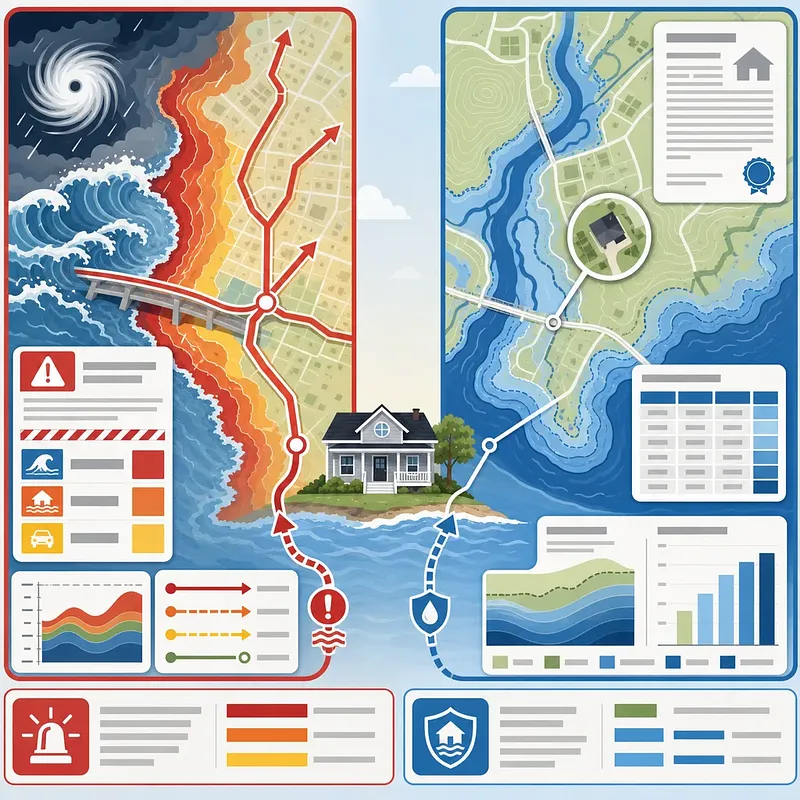
Hurricane evacuation zones and FEMA flood zones are often confused, especially when both maps use similar letters. However, they serve fundamentally different purposes. Local governments establish evacuation zones to guide immediate action based on storm surge exposure, evacuation time, and the possibility that an area could become isolated. FEMA flood zones describe long-term flood risk and inform insurance, lending, construction, and land-use decisions. This distinction matters for both emergency planning and real estate due diligence. A property may appear relatively low risk on a FEMA map yet still be located in a priority evacuation zone. Review current FEMA maps, revision records, building location and elevation data—and always follow the latest official local evacuation orders. #DisasterPreparedness #FEMA


Working parents in England who want to use 30 hours free childcare from September 2026 must apply online by August 31, 2026. Preparation matters: applicants should check the child age rules, each parent’s earned income, and adjusted net income requirements. The application may require a National Insurance number, a Unique Taxpayer Reference for self-employed applicants, and the child’s birth certificate reference number. Approval is not the final step. The issued 11-digit code must be given to the chosen childcare provider for validation, and eligibility must then be reconfirmed approximately every three months by the deadline in the Childcare Account. This guide explains each stage clearly. #FreeChildcare #WorkingParents

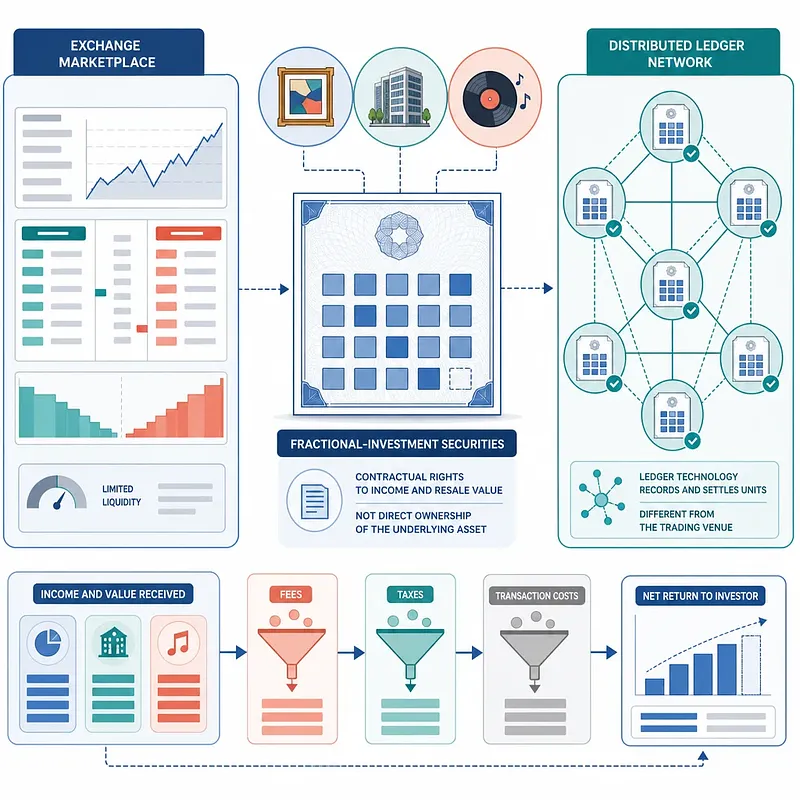
Korea Exchange's New Securities Market: Fractional Investment Structure and Differences from STO
Korea Exchange plans to open a new securities market on November 16, 2026, for qualifying fractional investment securities involving artworks, real estate, and other assets. The structure matters: investors purchase securities containing contractual rights to returns and redemption rather than co-ownership of the underlying assets. Evaluating potential returns also requires deducting fees, taxes, and transaction costs from dividends and capital gains. Exchange listing does not eliminate liquidity risk, as limited trading volume may still make timely sales difficult. The article also clarifies a key distinction: this conventional electronic securities market is not the same as token securities issued and recorded through distributed ledgers. #FractionalInvesting #TokenSecurities


Dividend investing can contribute to retirement cash flow, but neither distributions nor principal are guaranteed. That makes portfolio design more important than simply selecting the highest yields. A rising yield may reflect a declining share price or increased risk of a dividend cut. Investors should evaluate payout capacity using both earnings and free cash flow, while also considering debt, competitive strength, and industry-specific capital structures. Dividend ETFs can simplify diversification, but their index methodology, costs, concentration, and distribution composition still require review. For retirement planning, combining dividends with pensions, interest, cash equivalents, and selective asset sales may create a more resilient approach aligned with actual spending needs. #AssetAllocation #Diversification #RetirementPlanning


7 Rules for Growing Wealth: Conditions and Pitfalls of Ownership, Compounding, and Leverage
Popular wealth-building principles are often presented through success stories, but each depends on conditions that are easy to overlook. Long-term ownership can support compounding only when the underlying asset produces real value and remains financially durable. A minority economic stake is also different from the control required to direct a business. Meanwhile, leverage raises more than return on equity: it increases losses, interest obligations, liquidity pressure, and the risk of forced sales. This article brings seven principles into one risk-management framework, including how to assess asymmetric rewards through loss limits and probability—not maximum upside alone. It also explains why asset allocation, diversification, cash reserves, and liquidity management are central to long-term survival. #RiskManagement #AssetAllocation #Investing

7 Money Principles for Building Great Wealth: Ownership, Compounding, Leverage, and Survival
Sustainable wealth creation requires more than identifying opportunities with attractive upside. Investors also need ownership, reinvestment, sufficient time for compounding, and safeguards against permanent loss. This article presents seven principles for applying those ideas to real-world financial decisions. It examines how earned income and business cash flow can be converted into productive assets, why leverage magnifies interest costs and forced-liquidation risk, and how probability, downside analysis, position sizing, and diversification contribute to survival. The central lesson: long-term outcomes depend not only on returns, but also on staying financially capable of compounding after setbacks. #AssetAllocation #LongTermInvesting