Social
A short written take on each piece of content: what changed and why it matters. Skim the point first, then follow through to the full article only for what interests you. Every take is drawn from real content, so the link takes you straight to the material it is based on.

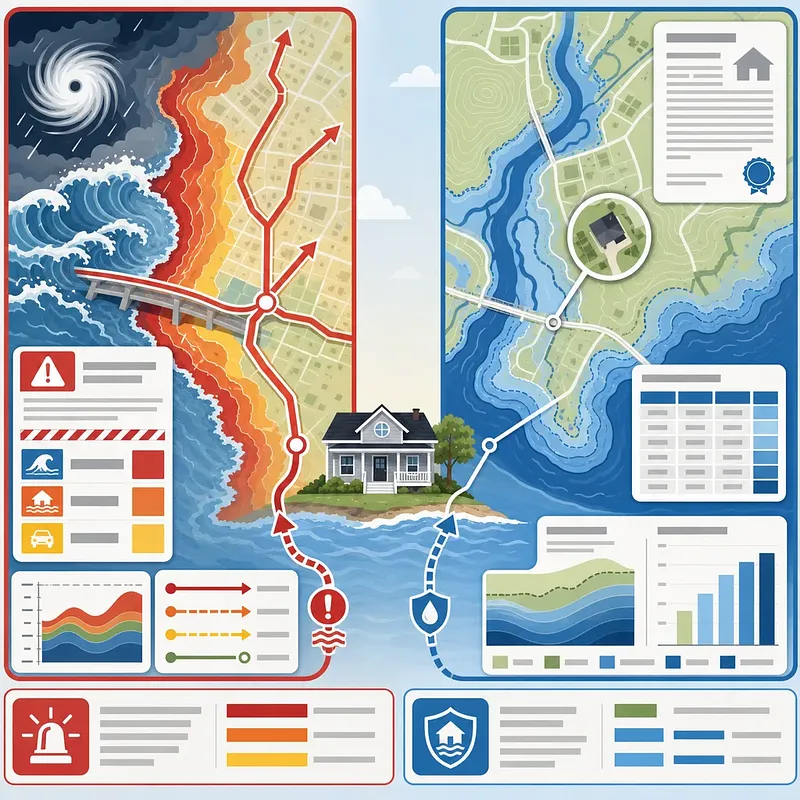
Those lettered evacuation and FEMA zones may look similar, but they serve different purposes. One guides urgent local action during hurricane threats; the other shows long-term flood risk for insurance, loans, and construction. A lower-risk FEMA designation does not rule out evacuation. Check out the article to learn which maps and official orders to review.


Hoping to use England’s 30 hours free childcare from September 2026? You’ll need to apply online by August 31 and have key details ready, including your National Insurance number and your child’s birth certificate reference number. The article also explains how to submit the 11-digit code to your provider and reconfirm eligibility every three months. Check the guide before you apply.

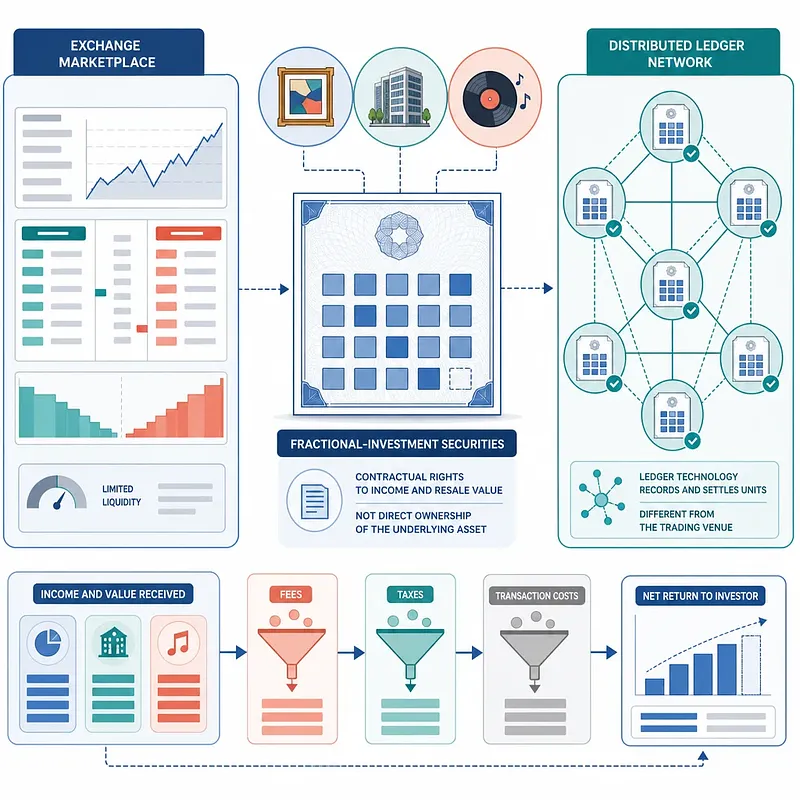
Korea Exchange's New Securities Market: Fractional Investment Structure and Differences from STO
Korea Exchange plans to launch a new market for fractional investment securities on November 16, 2026. But investors will not directly co-own the underlying artworks or real estate—and exchange listing does not guarantee easy selling. Check the article for the market structure, net-return calculation, liquidity risks, and the difference from STO.

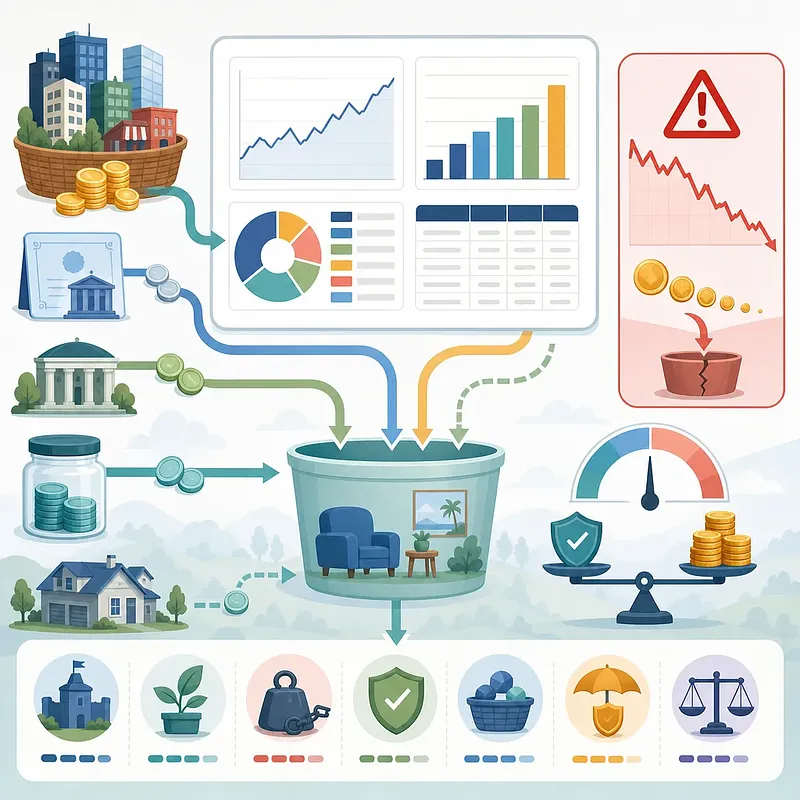
High dividend yields can look attractive, but they may also point to a falling share price or an unsustainable payout. This article explains how to assess earnings, free cash flow, debt, dividend history, and ETF structure—plus why retirement income may be stronger when dividends are combined with pensions, interest, cash reserves, and occasional asset sales. Check out the article for a practical framework.


7 Rules for Growing Wealth: Conditions and Pitfalls of Ownership, Compounding, and Leverage
Wealth-building rules can sound simple until risk, cost, and liquidity enter the picture. This article looks at seven widely cited principles and explains the conditions behind them—from durable ownership and compounding to leverage and asymmetric rewards. It also shows why diversification, cash buffers, and liquidity management can matter more than forecasts. Check out the article for a practical risk-management perspective.

7 Money Principles for Building Great Wealth: Ownership, Compounding, Leverage, and Survival
Chasing short-term returns is not the same as building lasting wealth. This article explores seven principles centered on owning productive assets, reinvesting cash flow, and giving compounding time to work. It also explains the risks of leverage and concentrated positions—and why limiting potential losses matters. Check out the article for a practical framework.