Social
A short written take on each piece of content: what changed and why it matters. Skim the point first, then follow through to the full article only for what interests you. Every take is drawn from real content, so the link takes you straight to the material it is based on.

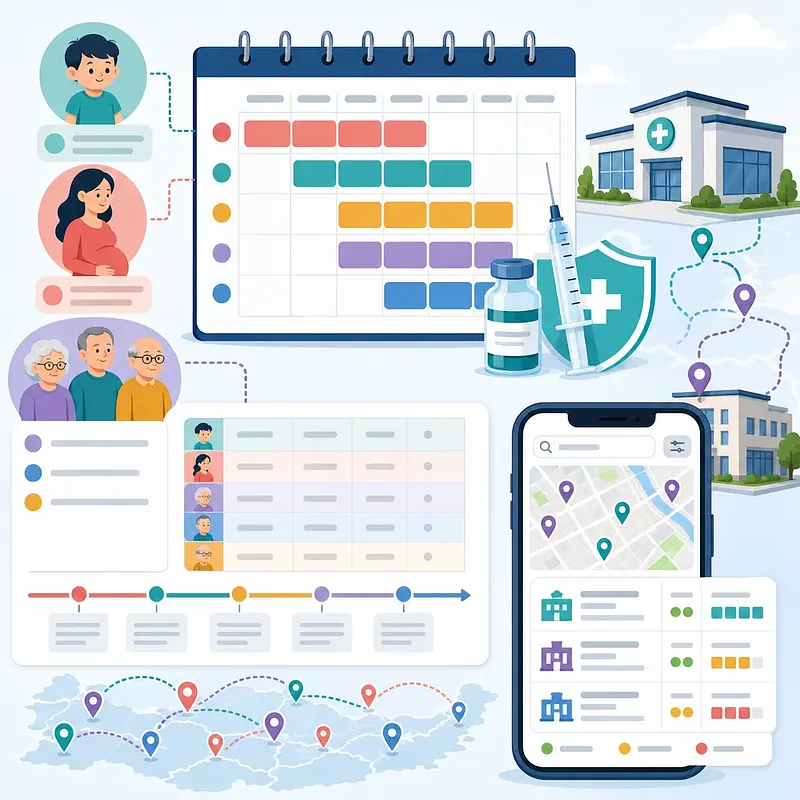

Free flu vaccination eligibility is changing in Korea for the 2026–2027 season. Children through age 14 will be included, subject to exact birth-date and age-in-months criteria. Vaccinations begin September 21, 2026, for children who need two doses and for pregnant women. Children who need one dose can start September 28. Adults aged 65 and older have staggered start dates by age group. Eligible people may visit participating institutions or vaccination-providing public health centers regardless of registered address, but availability should be confirmed before visiting. #FluVaccination #NationalImmunization #AdolescentHealth #KoreaHealth
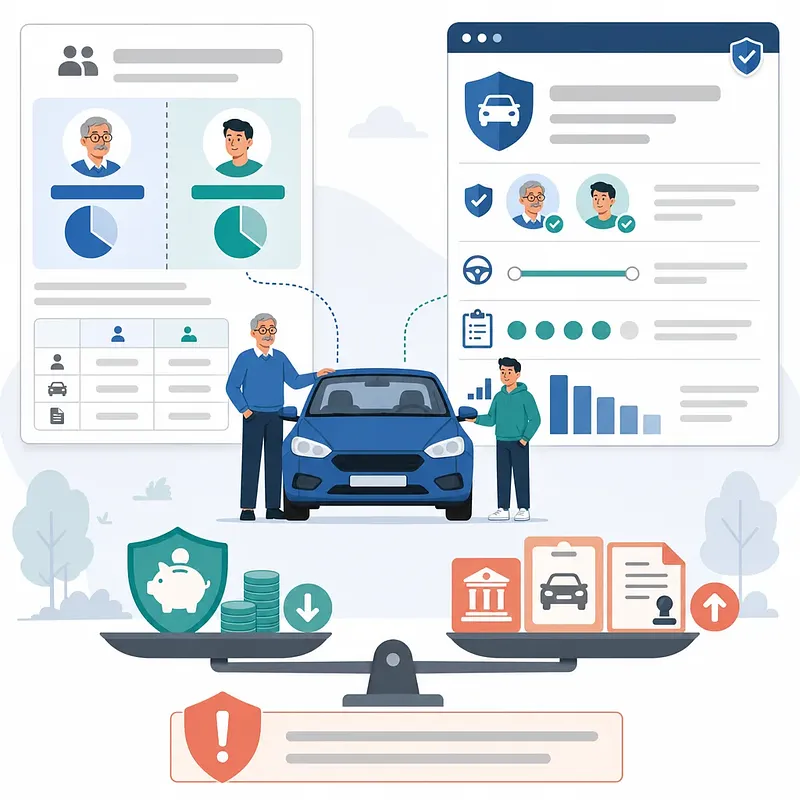

Could joint car ownership lower your insurance premium? Possibly—but simply adding a co-owner does not create a discount. The policy structure matters: who is the named insured, who actually drives, and whether age and permitted-driver restrictions properly include everyone. A child’s insurance history may not accumulate automatically, either. Before changing ownership, compare potential savings with acquisition tax, registration expenses, accident-history implications, and the extra steps required when selling the car later. #AutoInsurance #EverydayFinance #CarOwnership #DecisionMaking
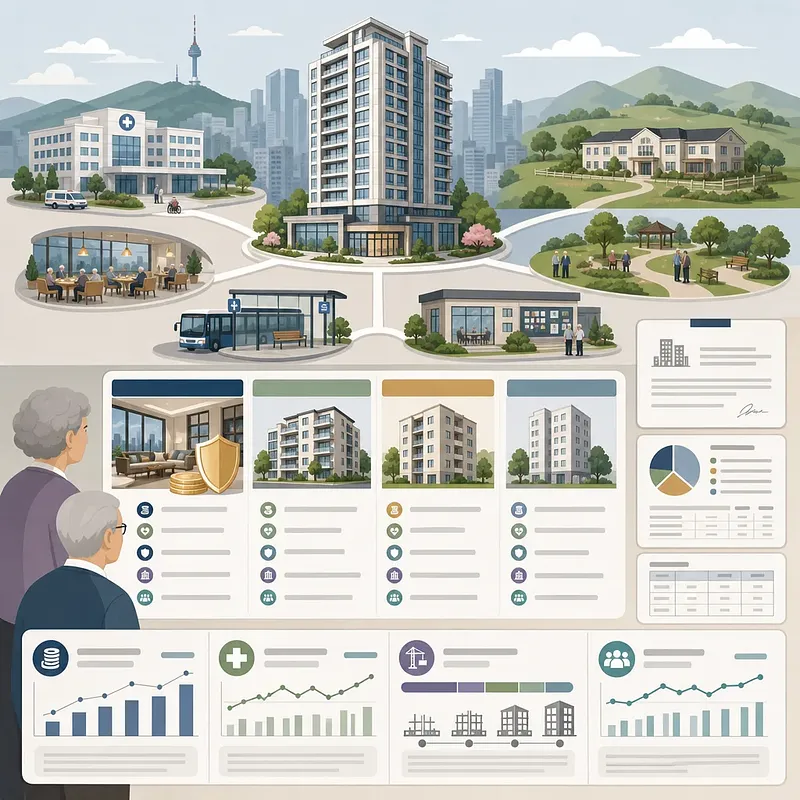

What does a KRW 5 billion deposit really say about South Korea’s senior housing market? It signals the upper end of pricing at some high-end projects—not the typical cost nationwide. As demand shifts toward urban locations with healthcare, dining, and leisure services, prospective residents still need to look beyond the headline deposit. Key checks include the facility’s legal type and operator, monthly and service fees, healthcare access, deposit refund terms, and the operator’s long-term sustainability. #SeniorHousing #HousingCosts #HealthyAging #HousingMarket #SouthKorea
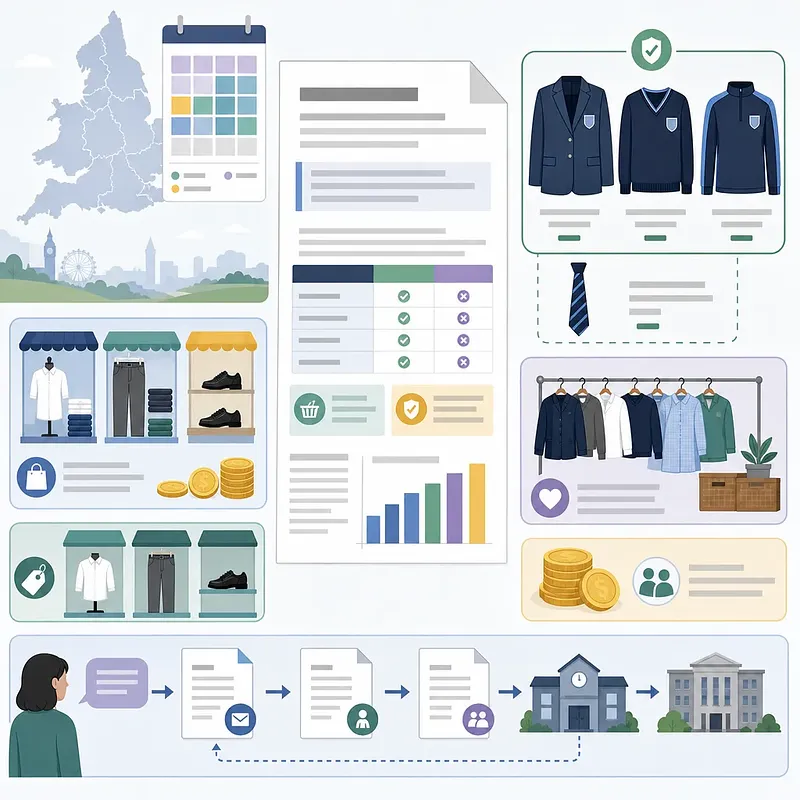

What counts as a branded school uniform item in England? It may be more than clothing carrying a school logo. From September 2026, schools will generally be limited to requiring three branded items. At secondary level, the cap may rise to four when a compulsory tie is included. An item can also count as branded if it has a distinctive colour or design, or is available only from a specified supplier. The article also explains what parents can review and how to raise concerns through the formal complaints process. #SchoolUniform #EducationExpenses #EnglandSchools #ParentInformation
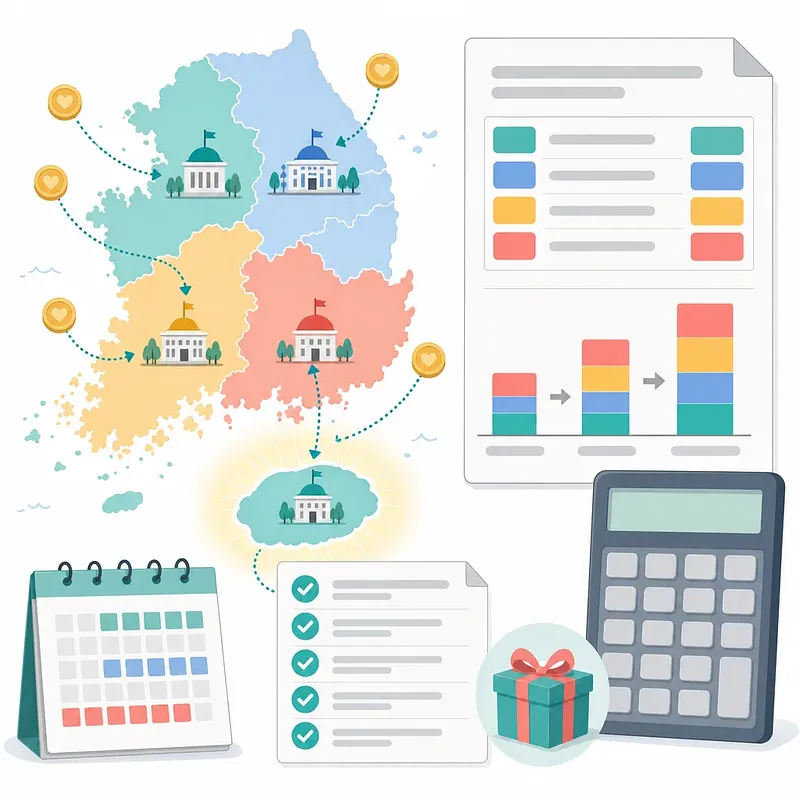

Hometown Love Donation tax credits may become more generous in certain regions from 2027. The proposed plan would raise rates for donations above KRW 100,000 in non-capital and preferential regions. For some brackets, rates could increase from 44% to 55% and from 16.5% to 27.5%, producing a maximum credit of KRW 5.6 million. The article also covers the current brackets, annual KRW 20 million donation limit, calculation structure, and what to verify before donating. Final dates, regional classifications, and rates may change. #EverydayFinance #Taxes #TaxCredit #YearEndTaxSettlement #HometownLoveDonation
Do U.S. Liquidity, Stablecoins, and Security Guarantee a Bitcoin Rally?
Three developments could support Bitcoin demand—but none guarantees a rally. Easing SLR rules may help banks intermediate more Treasuries, yet it is not equivalent to Federal Reserve money creation. Stablecoins enable round-the-clock settlement, potentially increasing money velocity. Meanwhile, the Strategic Bitcoin Reserve is based on seized assets rather than mandated, unlimited market purchases. The article also examines daily BTC issuance, real interest rates, fund flows, leverage, and the U.S. share of global hash rate. #Bitcoin #Stablecoin #MonetaryPolicy #Geopolitics #InvestorPsychology