Social
A short written take on each piece of content: what changed and why it matters. Skim the point first, then follow through to the full article only for what interests you. Every take is drawn from real content, so the link takes you straight to the material it is based on.


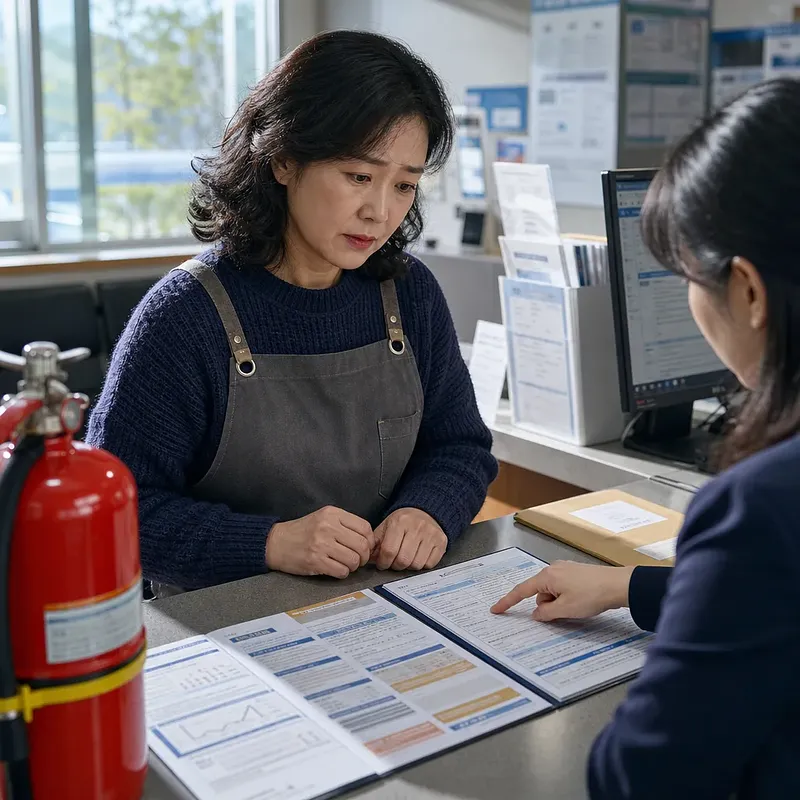
A Chungnam application needs review. Eligible firms can apply for support covering 80% of coverage premiums, up to KRW 240,000 per year, by September 30, 2026. The calculation is based on the coverage premium shown on the insurance statement; any savings premium is excluded. That distinction can change the amount you expect and the supporting records you prepare. The article maps both submission routes: online through Small Business 24 and in person at the city or county office where the business is located. It also covers the attached forms, policy and premium-payment evidence, submission confirmation, additional-information requests, and final decision notice, helping applicants organize each stage. Small businesses operating in Cheonan, Gongju, Asan, Seosan, Dangjin, Geumsan, Cheongyang, or Yesan and maintaining fire insurance in 2026 should read the guide before applying. #SmallBusiness #FireInsurance

How to Apply for the First-Half 2026 Earned Income Tax Credit and Eligibility Requirements
A 35% payment may be made in December. For first-half 2026 Earned Income Tax Credit applicants, that is 35% of the estimated annual amount after review. The application deadline is September 15, 2026. Eligibility begins with the source of income. The applicant and spouse must have earned only employment income during the first half of 2026. The guide explains how to consult National Tax Service guidance for the relevant income threshold by household type and the asset valuation reference date, supporting a more informed eligibility check before filing. Applicants can use Hometax, mobile Hometax, or ARS at 1544-9944. The article also outlines what to verify afterward: the application result, bank account information, the potential December payment, and the following year’s reconciliation. Households meeting the employment-income condition should read the article before applying to understand the criteria, filing routes, and post-application process. #EarnedIncomeTaxCredit #Hometax
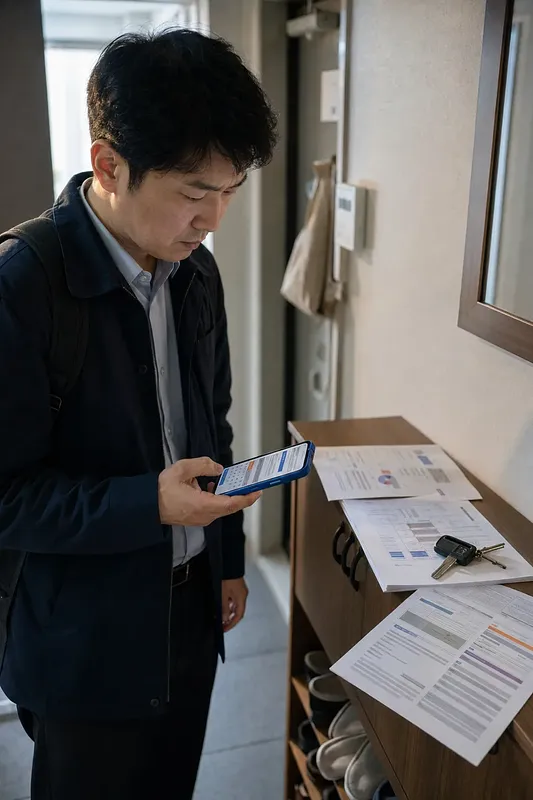

Before signing, price every extra. Advertised monthly rent is only one part of the actual housing cost. Maintenance fees, utilities, and option usage fees should be included in an average monthly total before making a contract decision. Opaque fee labels can hide different charging methods. Fixed, usage-based, and one-time costs need separate calculation bases, so the headline rent alone may not provide a reliable comparison between properties. The article outlines a practical approach: record the agreed fee items, settlement method, and process for receiving supporting documents in a special contract clause. After moving in, compare that clause with each maintenance bill, meter reading, and payment receipt. This provides a clearer basis for requesting written explanations when charges increase without supporting records. Prospective monthly renters and tenants reviewing post-move charges should read the article to assess their total housing costs and understand when an authority or dispute resolution procedure may be appropriate. #HousingLease #RentalCosts

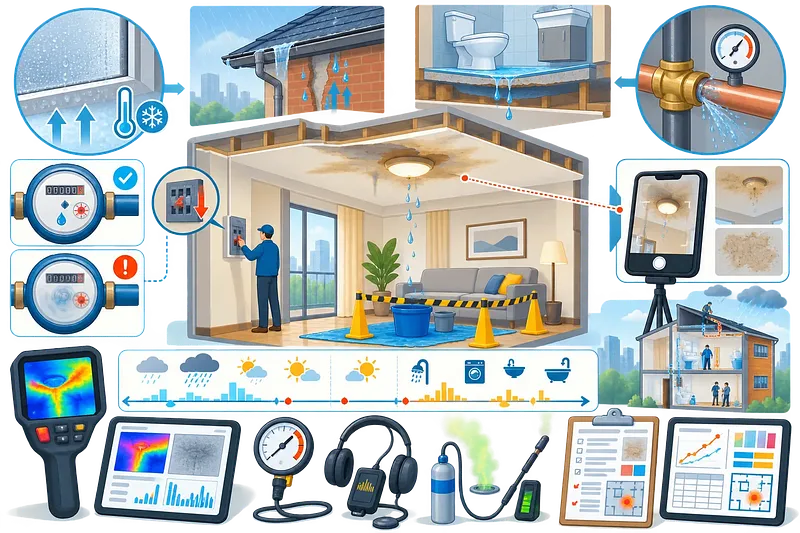
Before demolition, confirm the cause. Ceiling water can come from condensation, rainwater infiltration, a bathroom waterproofing failure, or a pipe problem. If water has reached a light or nearby wiring, the first decision is safety: stay away and switch off the relevant or main breaker only when that can be done from a dry location. The article sets out an evidence-based diagnostic sequence. Record the time, weather, hot-water use, bathroom or kitchen use, and changes in stains. Then stop all water use and observe whether the individual meter’s small dial or leak indicator continues moving. Comparing these observations helps narrow the likely source instead of treating every ceiling stain as the same problem. Before authorizing demolition, request records showing thermal imaging, pressure, acoustic, and gas-test results, including measurement locations. This supports a clearer decision about the cause and repair scope. Anyone assessing a ceiling leak before demolition should read the full article. #WaterLeaks #PropertyManagement


Future Preparedness Fund Proposal: Funding, Investment Areas, and National Assembly Oversight
Korea’s Future Preparedness Fund proposal raises an important public-finance question: how can temporary increases in tax revenue support durable economic capacity? The government has identified youth, growth engines, locally led growth, education, and talent as key investment areas. Yet the widely reported estimates of KRW 60–70 trillion and approximately KRW 100 trillion are based on different periods and assumptions, not finalized funding commitments. Why it matters: the fund’s impact will depend on legislation, National Assembly review, asset-management rules, measurable performance indicators, project exit criteria, and safeguards against overlap with existing programs. This article separates the proposal from the decisions that remain unresolved. #PublicFinance #EconomicPolicy

How to Apply for Cheongdo County's 2026 Small Business Card Fee Support and Revised Criteria
The sales cap is now KRW 300 million. Cheongdo County’s revised September 3, 2026 announcement expands the 2025 sales threshold from KRW 200 million to KRW 300 million. This change may matter to businesses that were previously rejected because their sales exceeded the former cap. Meeting the expanded threshold does not itself confirm eligibility, so applicants should also verify the business location on their registration certificate and whether the business qualifies as a small business. The article outlines the required business registration, identity, and deposit account materials. It also explains how to select Cheongdo County and apply through Haengbok Card, where to submit documents in person, and how to check the Application Results menu while retaining the application number or completion screen. Cheongdo County small businesses considering an application or a reapplication inquiry should read the guide first. The program may close early if its budget is exhausted, and applicants previously denied under the old cap should inquire whether reapplication is possible. #SmallBusiness #CardFeeSupport