Social
A short written take on each piece of content: what changed and why it matters. Skim the point first, then follow through to the full article only for what interests you. Every take is drawn from real content, so the link takes you straight to the material it is based on.


Later adjustments can follow a Chuseok bonus. Income tax and local income tax are withheld when the bonus qualifies as wages, while the four major social insurance programs can reflect it at different times. The article explains how to separate taxable and recognized non-taxable amounts, verify withholding, and compare the payment-month statement with later adjustments and year-end tax settlement details. This applies to bonuses that qualify as wages. Read the article for the full reconciliation process. #Chuseok #PayrollTax


Night-shift workers cross 10 p.m. at Chuseok. That time belongs in a separate night-work bucket, while hours beyond 8 need their own check. This separation makes the payday amount easier to verify. The article explains the order: confirm September 24–26 hours, apply the prior-month regularly employed worker count for the 5-employee test, identify pay type and ordinary hourly wage, then calculate the applicable premiums. It is for workers and payroll reviewers checking work actually performed during the 2026 holiday. Read the article before reviewing the payday result. #Chuseok #HolidayPay


Can residents search K-apt by address? Yes, and selecting a billing month is only the first step. The article shows how to separate common fees, individual usage charges, and repair reserve assessments so the source of a change is easier to identify. It also covers comparisons with the previous month, the same month last year, a specific complex, similar complexes, and regional averages. For residents whose complex is searchable by address or name. Read the article alongside the next bill. #ApartmentFees #HousingCosts

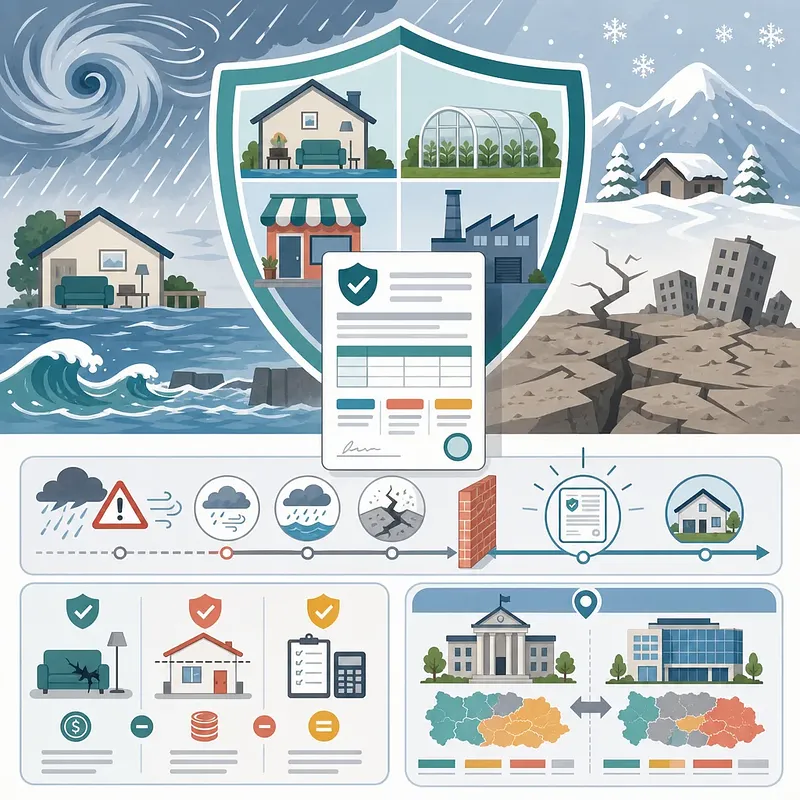
Storm, Flood, and Earthquake Disaster Insurance Subsidy Rates and Coverage to Check During a Typhoon Alert
A disaster insurance payout is not based on the damage estimate alone. The insured property and amount, deductible, compensation method, and policy exclusions all affect the final payment. This guide also explains the 55–100% premium subsidy range and why a new policy cannot cover earlier damage or a disaster already underway. It applies to eligible homes and contents, greenhouses, and shops or factories operated by small business owners. Read the article to understand the coverage before choosing a policy. #DisasterInsurance #TyphoonPreparedness
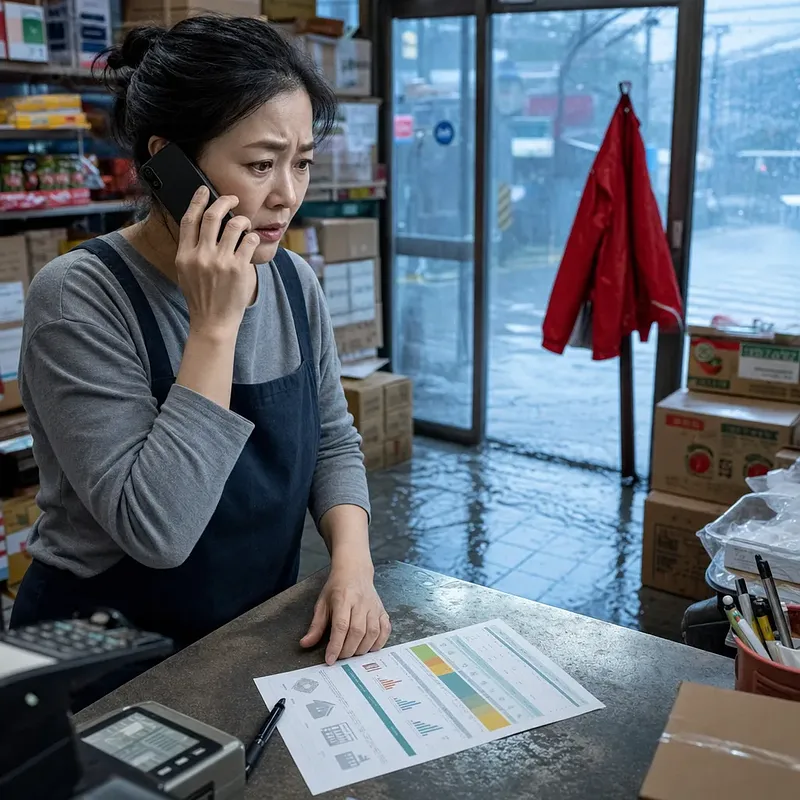

How Small-Scale Sole Proprietors Can Apply for the 2026 Special Tax Arrears Collection Provision
Up to 5 years to pay principal may be available to eligible sole proprietors, along with exemption from late-payment penalties. For applications filed from April 1, 2026, qualifying workers in special forms of employment with at least 3 months of labor provision may also meet the restart requirement. The guide explains the KRW 80 million combined arrears cap, required proof, filing channels, and what to do when multiple tax offices have jurisdiction. This provision is for small-scale sole proprietors who meet the closure, revenue, and restart conditions. Read the article for the application steps. #Hometax #TaxFiling

Flood-Damaged Car Insurance: Repair and Total Loss Claims
Flooded-car owners need proof before filing. Coverage decisions can differ depending on whether the vehicle was parked or being driven. Policy terms for own-vehicle damage and single-vehicle accidents also matter. The article explains the safe first steps, which photos and records to collect, where to file, and how repair, total-loss, and deductible decisions are reviewed. It is for owners preparing a flood-damage claim subject to their policy and the insurer’s assessment. Read the article to organize the process before filing. #AutoInsurance #FloodDamage