Social
A short written take on each piece of content: what changed and why it matters. Skim the point first, then follow through to the full article only for what interests you. Every take is drawn from real content, so the link takes you straight to the material it is based on.

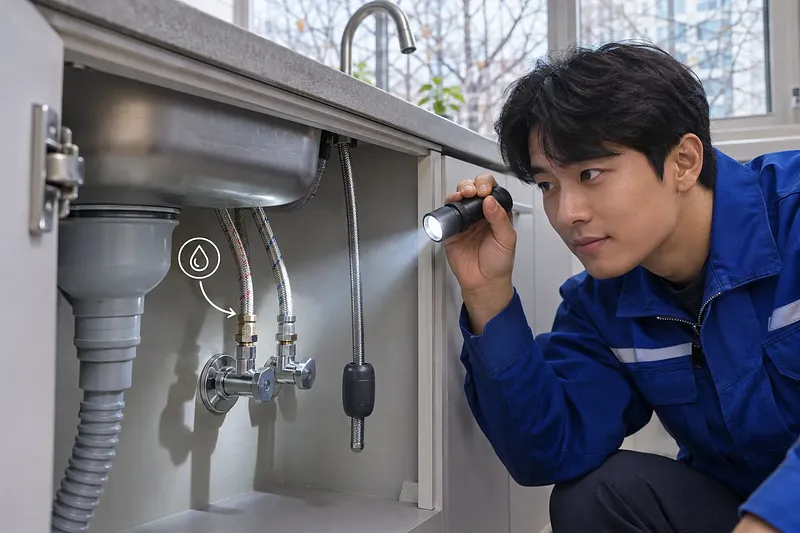
Kitchen Faucet Replacement Compatibility by Mount Type
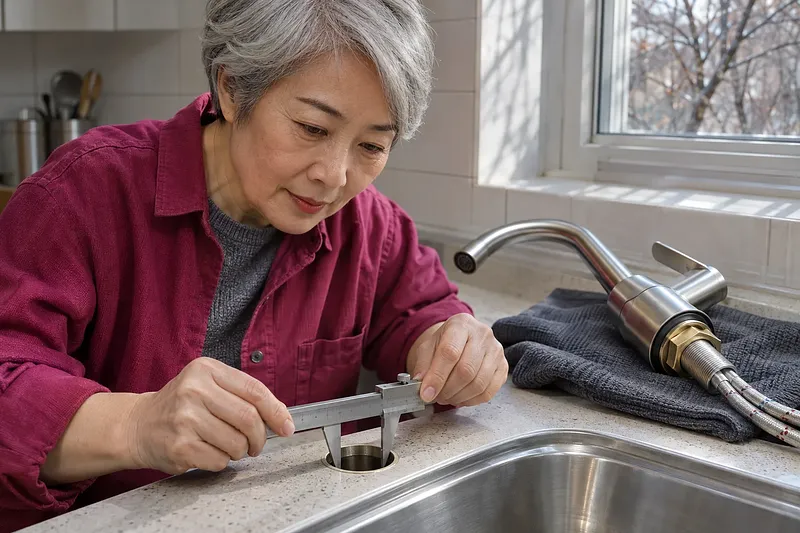
Owners weigh faucet bodies or parts. Choosing a whole body calls for different checks from replacing a head or hose. For wall-mounted faucets, compare center-to-center pipe spacing. Deck-mounted models require checks of mounting holes and deck thickness. These measurements can help avoid spending money on a body that cannot be installed. Head and pull-out hose compatibility depends on both end connections and manufacturer part numbers. Filter attachment needs a separate assessment, even when the faucet body can be installed. For anyone comparing kitchen faucet bodies or replacement parts, the article sets out the checks to make in manufacturer drawings and parts lists. If official dimensions disagree, confirm the product number and measurement criteria with the manufacturer before choosing.
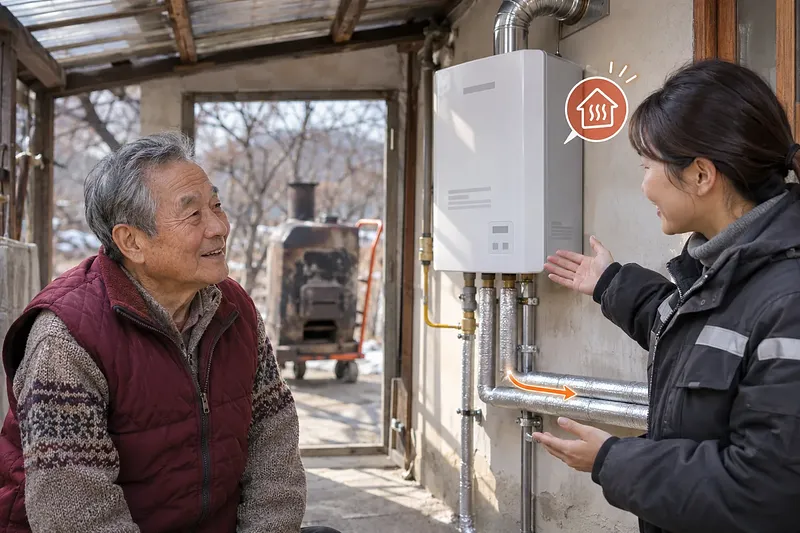
The Energy Voucher child age cap is 7. In 2026, that child must also not have started school; date of birth matters too. Age alone does not settle eligibility. Standard support requires eligibility for livelihood, medical, housing or education benefits, plus a household-member criterion. The recipient or a household member listed on the resident registration certificate must meet that second criterion. The article explains both checks so households can assess whether support may fit their fuel budget. Near-poor status alone does not qualify for the standard voucher. Briquette conversion support has separate conditions. Welfare-facility exclusions and restrictions on overlapping winter fuel assistance also need checking. For parents assessing a child's eligibility and households receiving the listed benefits, read the breakdown before including this support in a household budget.


ACA Health Insurance 2027 Deadlines and How to Apply
ACA shoppers weigh a plan's drug list. A plan's provider access and out-of-pocket costs also matter, along with its monthly premium. For January 2027 coverage through the federal marketplace, enroll by December 15, 2026. Confirm your state's marketplace schedule, eligibility rules and how your immigration status affects eligibility. Prepare household member details, immigration status documents and estimated household income for 2027. After applying, review the premium assistance results before choosing a plan. Comparing providers, prescriptions and out-of-pocket costs helps you assess whether a policy fits your expected care and spending. U.S. applicants planning 2027 coverage can use the article's sequence to work through preparation, plan choice, the first premium payment and coverage confirmation. Your state's marketplace is the place to confirm the applicable deadlines and eligibility rules.

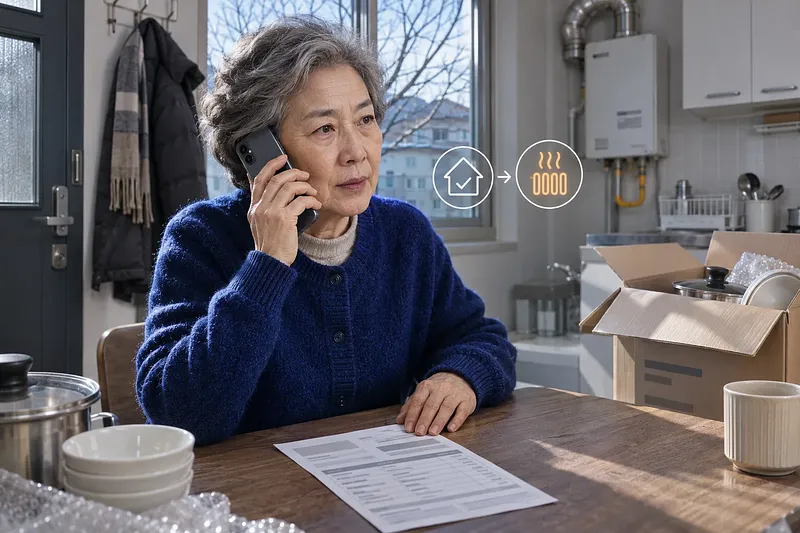
Movers need Energy Voucher checks. The application type depends on whether the household has moved, so this needs checking before paperwork begins. Benefit eligibility alone is not enough. Applicants must meet both benefit requirements and household-member criteria. Livelihood, medical, housing or education benefit eligibility is checked as of the application date. Household members listed on the resident registration certificate and overlapping support also need review. The article explains annual support amounts by household, the official self-assessment and document preparation. This helps applicants distinguish an initial eligibility check from exact eligibility, which needs confirmation with the local Administrative Welfare Center. For households in South Korea, applications go through Bokjiro or the local Administrative Welfare Center by December 31, 2026. Movers can use the article to identify which application type to confirm before filing.

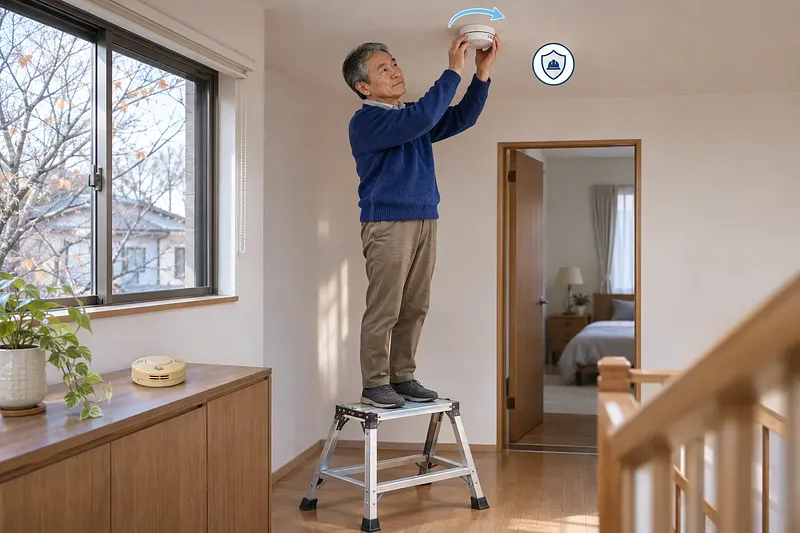
Japan Fire Prevention Campaign 2026 Dates and Alarm Checks
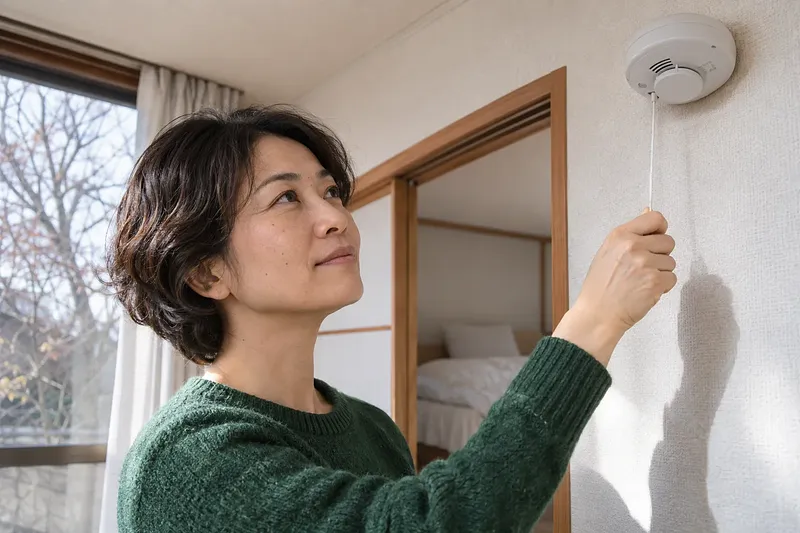
Residents check alarm locations. A successful test does not establish that an alarm is installed where the local ordinance requires. Japan's 2026 autumn National Fire Prevention Campaign runs from November 9 to 15. For home fire alarms, testing at least twice a year with the test button or pull cord helps confirm that a warning can sound. Placement requires a separate check against the ordinance. Replacing the entire unit is recommended about 10 years after installation. This year's campaign priorities are preventing residential fires, earthquake-related fires and forest fires. The article covers testing methods, replacement guidance and placement checks for residents checking home fire alarms in Japan. Read it with the alarm's installation date in mind.
Global Income Tax 2026: Interim Estimates and Installments
Estimated tax filing can be mandatory. With no base amount, first-half activity and a duty to keep double-entry books, you must file an estimated return. If there is an interim payment base amount, compare it with the first-half estimate. Optional filing is available only when that estimate is less than 30% of the base. An estimate below KRW 500,000 does not cancel an existing interim bill on its own. A return is still needed to cancel it. November 30, 2026 is the deadline to pay the interim bill or to file and pay estimated tax. If the tax payable is more than KRW 10 million, you can pay part by February 1, 2027, rather than setting aside the full amount for November. If your business must keep double-entry books, start with the article's filing rules before deciding how to handle the November payment.