Social
A short written take on each piece of content: what changed and why it matters. Skim the point first, then follow through to the full article only for what interests you. Every take is drawn from real content, so the link takes you straight to the material it is based on.

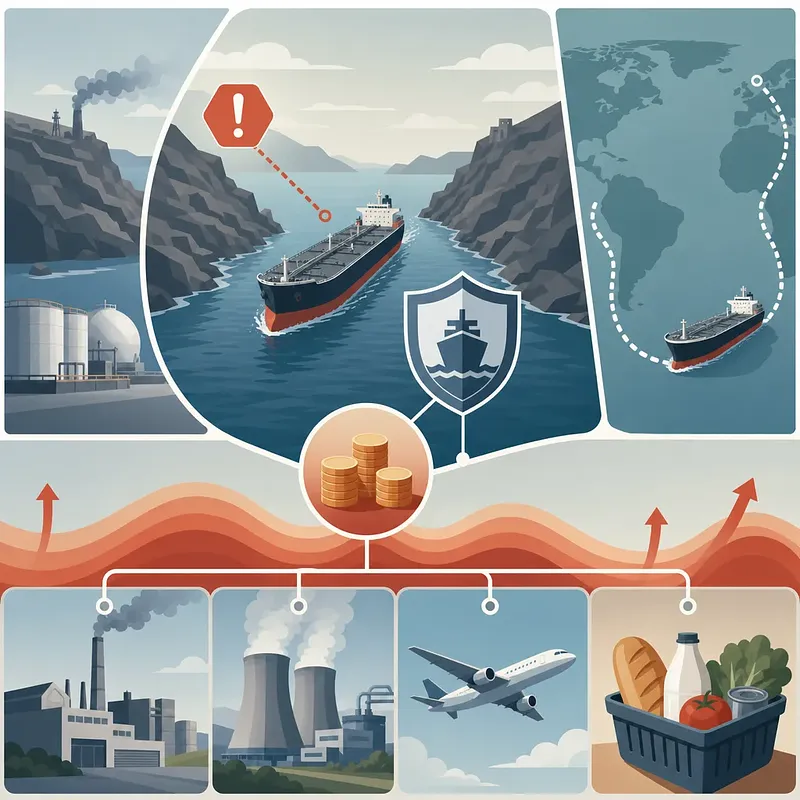
Strait of Hormuz risk enters forecasts. Falling crude prices do not immediately mean lower inflation. Expectations of resumed shipping can reduce the oil-market risk premium, while ship safety, marine insurance, and logistics costs may take longer to normalize. The article explains how an energy shock moves through tanker traffic, spot LNG prices, exchange rates, supply chains, and central bank inflation forecasts. This broader view helps distinguish a change in market expectations from a sustained reduction in household and business costs. For energy-importing countries, higher oil and LNG prices can pass through to electricity, transportation, and food. Emerging economies may face an additional burden when a strong dollar and weaker local currencies raise import costs. Investors and policymakers assessing inflation or energy security should read the full analysis rather than monitor crude prices alone.
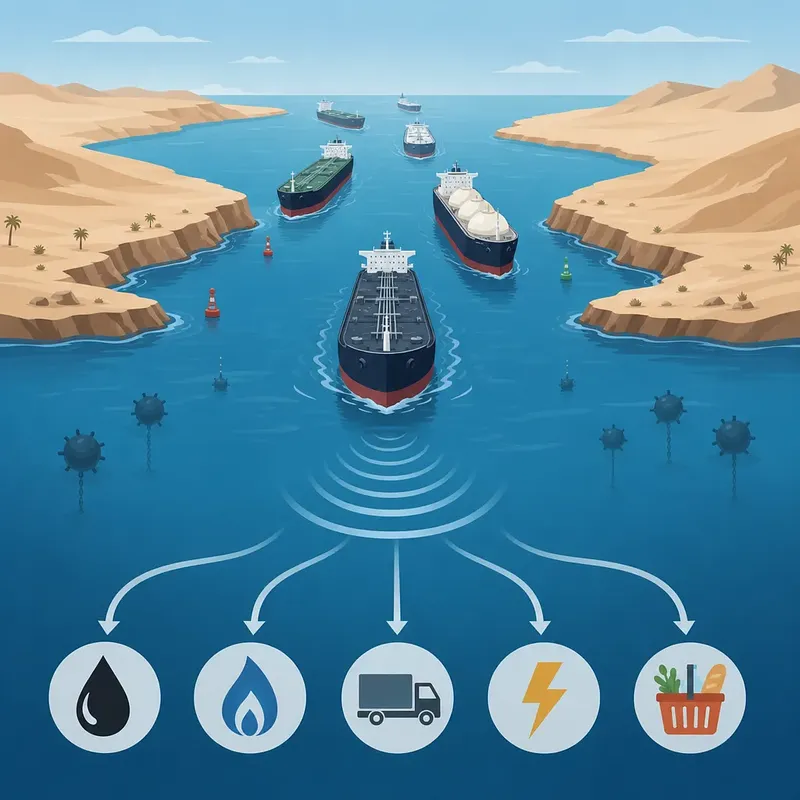

Treasury teams weigh panda bonds. When Chinese interest rates are below those in major dollar markets, yuan-denominated issuance can reduce interest expense. That difference helps explain why this funding route is gaining attention as dollar funding costs rise. Coupon rate is only the starting point. The article lays out how currency hedging, fund-transfer rules, taxes, credit ratings and liquidity determine the all-in cost. It also highlights a central balance-sheet risk: if the yuan appreciates, the burden of yuan-denominated repayment can increase. At the market level, broader issuance and yuan payment networks support China’s internationalization push. Capital controls and policy changes, however, remain material variables rather than background details. Finance leaders at foreign governments, corporations and financial institutions considering issuance in mainland China should read the analysis before comparing yuan and dollar funding.


Eligibility Requirements and Return on Investment for the 2026 Youth Future Savings Account
Young workers face Youth Future tiers. The account offers 6% or 12% government contributions on deposits of up to ₩500,000 per month for three years, plus tax-exempt interest income. Enrollment types are assigned automatically using personal income, business revenue, household income, SME employment, or small-business status. Existing Youth Leap Account enrollment restricted participation, and an approved special early-termination switch was available only during the initial 2026 enrollment period. The article compares official simple-interest-equivalent returns: 13.2%–14.4% for standard accounts and 18.2%–19.4% for preferential accounts, depending on bank rates and terms. It also explains why enrollment type and preferential rates matter when assessing the headline return. Young applicants choosing between principal stability with fixed contributions and the investment risk and tax-saving potential of a Youth ISA should read the analysis first. It provides a structured basis for comparing the two options. #YouthFinance


Illegal gambling games are often presented as simple online games, but the legal test is not just how they look. When money or property is at stake and profit or loss depends on chance, participants may face criminal liability under Korean law. This article summarizes key warning signs, including ladder-style, snail-race-style, number or card judgment-style, illegal Powerball-style, and illegal sports betting-style formats. It also explains why risk increases for those involved in operating, promoting, exchanging money, or recruiting users. For parents, educators, and compliance-minded businesses, the issue is also about youth protection: harm can extend beyond financial loss to addiction, debt, misuse of bank accounts and personal data, and school problems. https://injoys.com/en/articles/variant-gambling-games-risks-and-penalties-korea #IllegalGambling #YouthProtection


FX desks prepare for 24-hour USD/KRW. Starting July 6, 2026, Seoul’s brokered spot market will operate from 6:00 a.m. Monday to 6:00 a.m. Saturday under New York Daylight Time. The scope is easy to overread. The change does not cover every won-denominated transaction: hours for the won against the euro, yen, and pound remain unchanged. Weekends and January 1 are excluded, while trading remains available on other domestic public holidays. The article explains what the expanded window means for foreign-investor access and MSCI Developed Markets considerations. It also reviews Korea Capital Market Institute findings that the 2024 extension to 2:00 a.m. produced no significant increase in exchange-rate volatility and reduced gap volatility. Longer hours alone do not ensure market readiness. Nighttime order-book depth, electronic infrastructure, suspicious-transaction monitoring, settlement, and risk controls all require attention. FX, treasury, cross-border investment, and market-infrastructure professionals should read the analysis to distinguish wider access from the operational work still required. #ForeignExchange #KoreanWon

Hong Kong’s Housing Crisis: A Warning for South Koreans in Their 50s and 60s Regarding Retirement Assets
A home-rich retiree reviews cash flow. With 75.8% of the average South Korean household’s assets held in real assets, property value alone may not provide the liquidity retirement requires. Hong Kong illustrates why the distinction matters. Ultra-high-end transactions coexist with approximately 220,000 residents living in subdivided housing, showing that asset prices and housing stability can move in different directions. The article does not predict a housing crash. It uses the Hong Kong case to examine the vulnerability of relying on a single asset for an entire retirement. It lays out a practical review of housing stability, liquid assets, pensions, insurance, and the possible use of a reverse mortgage. Local demand, access to medical care, resale potential, and lending conditions can change a home’s risk profile. South Koreans in their 50s and 60s who are planning retirement should read the analysis before treating home equity as a complete retirement plan. #RetirementPlanning #RealEstateRisk