Social
A short written take on each piece of content: what changed and why it matters. Skim the point first, then follow through to the full article only for what interests you. Every take is drawn from real content, so the link takes you straight to the material it is based on.

From July, Korea’s stock market delisting standards become more stringent for both KOSPI and KOSDAQ companies. The changes affect disclosure violations, market capitalization, low-priced shares, and complete capital impairment. This matters because delisting risk is not only a year-end issue. Investors may need to monitor disclosure penalty points, whether a company falls below the new market-cap thresholds, if a share price remains under ₩1,000, and whether capital impairment appears in first-half financials. The article outlines the key criteria and points investors to KIND and DART as essential sources for checking official disclosures and financial data. Read more : https://injoys.com/en/articles/korea-delisting-rules-july-krx #Delisting #KoreaExchange #Investing


The June 16–17 FOMC minutes, released on July 8, suggest that the U.S. interest rate outlook has become more uncertain again under Chair Wash. Committee members appear to differ on how inflation risks should be interpreted, leaving multiple paths open: keeping rates unchanged, raising rates further, or eventually cutting rates. This matters beyond monetary policy. Energy prices, tariffs, and the AI investment boom may all affect inflation through different channels, while upcoming CPI, PCE, and employment data will be important inputs before the July 28–29 meeting. The article also clarifies why the Fed’s dot plot should be read as a conditional outlook, not a commitment. https://injoys.com/en/articles/warsh-first-fomc-minutes-us-rate-path-uncertainty #FOMC #Inflation #InterestRates


Foreign investors’ net selling of around 7 trillion won on the KOSPI has raised questions about whether Korean semiconductor stocks are flashing a warning sign. The picture is more nuanced. This article separates market flow from fundamentals by looking at Samsung Electronics’ official earnings guidance, SK Hynix’s exceptionally high first-quarter operating margin, memory price trends, AI server and HBM demand, and the distinction between official figures and securities-firm consensus estimates. For investors, the key issue is not simply who is buying or selling today. It is whether AI-driven memory demand can continue supporting margins while the semiconductor cycle evolves rather than disappears. Read more : https://injoys.com/en/articles/samsung-sk-hynix-ai-memory-stock-fact-check #Semiconductors #Investment

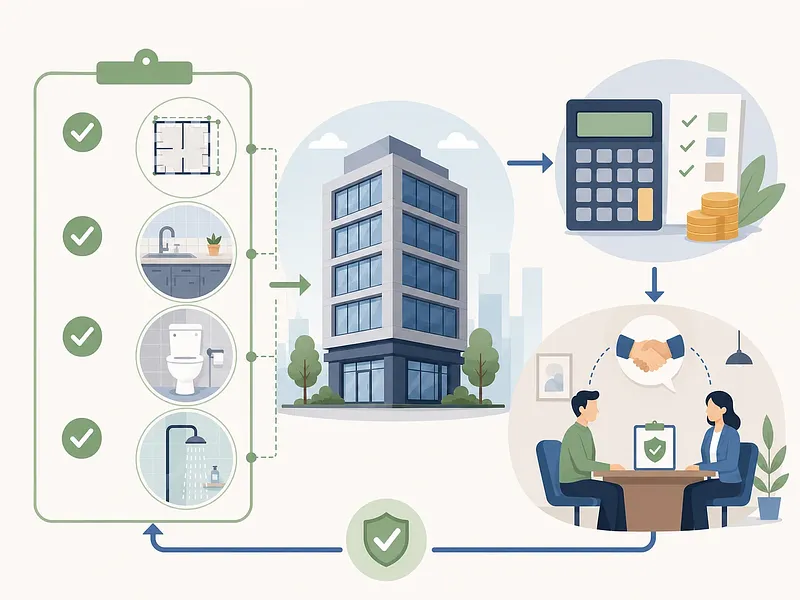
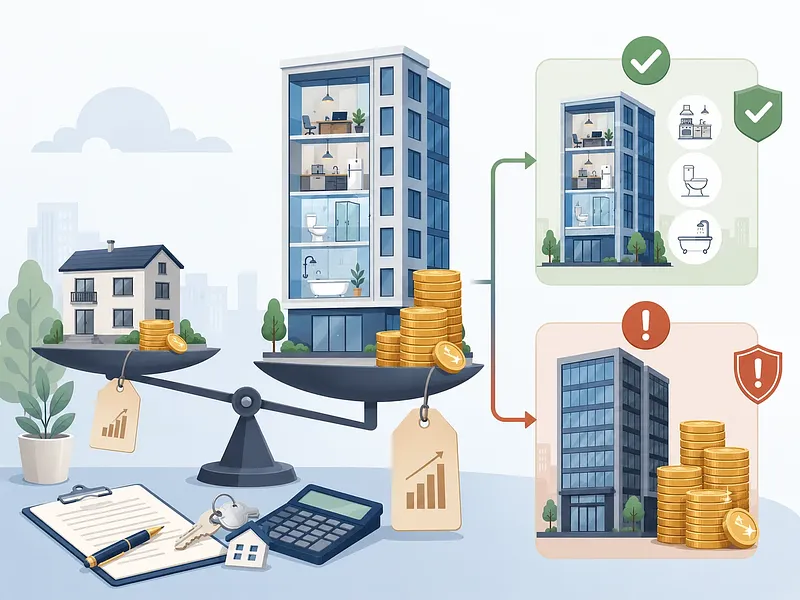
Why Office-Apartment Brokerage Commissions Are Higher Than Those for Residential Properties, and How They Are Calculated
Officetel fees can reach 0.9%. For brokerage purposes, units that do not meet the residential-use requirements are treated as non-residential property. Their commission may be negotiated up to 0.9% of the transaction amount. This distinction is easy to misjudge because actual residential occupancy does not determine the fee schedule. Officetels are classified as commercial facilities under the Building Act, so the standard schedule for residential properties generally does not apply. A separate framework covers units with a usable floor area of 85㎡ or less that include a private kitchen, private flush toilet, and bathing facilities. For qualifying units, the maximum rate is 0.5% for sales and exchanges and 0.4% for leases and other transactions. The article lays out these conditions so the applicable ceiling can be identified before contract costs are agreed. Crucially, 0.4% is a statutory maximum rather than a fixed charge. Prospective tenants, purchasers, and professionals reviewing officetel contracts should read the article before negotiating and confirming the commission. #Officetel #RealEstateContracts

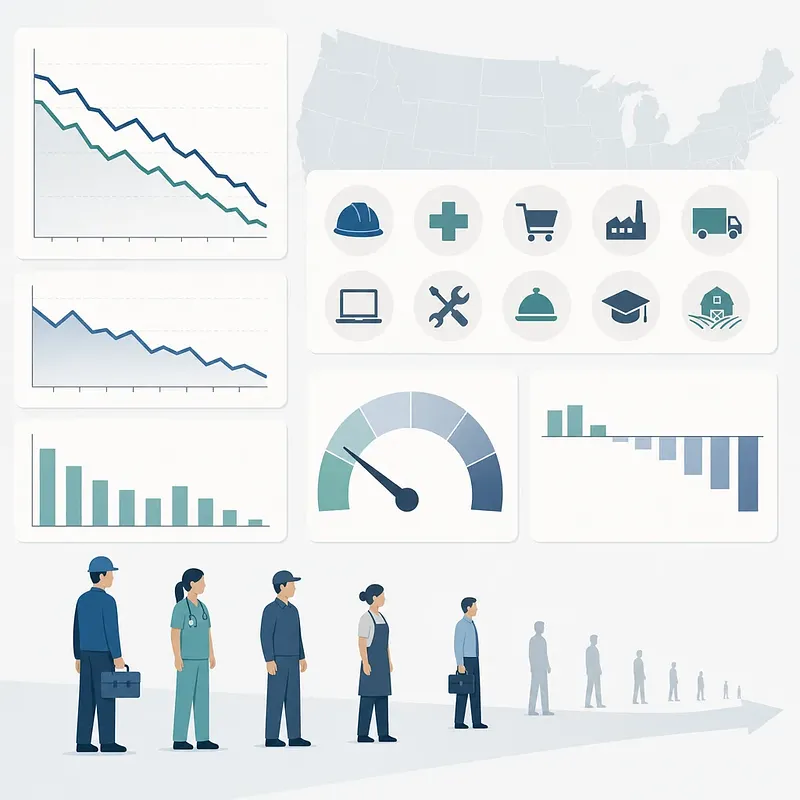
57,000 jobs temper the June outlook. The unemployment rate fell to 4.2%, but lower participation or a contraction in labor supply can also pull that rate down. The headline alone does not establish broad labor-market strength. This tension matters for interest-rate analysis. Slower payroll growth may support easing, while wage growth and inflation trends can point in another direction when the Federal Reserve weighs its next move. The article places nonfarm payrolls, unemployment, hourly wages, labor-force participation, prior-month revisions, and industry distribution in one analytical frame. It explains how 3- and 6-month averages help distinguish a monthly fluctuation from a broader trend. It also recommends comparing the four core indicators across the past 12 months on the same axis, making changes in momentum easier to evaluate. Professionals tracking the U.S. economy, rates, or workforce conditions can read the full analysis for the complete framework.
The Four Major Social Insurance Programs: Is Enrollment Mandatory? A Summary of Enrollment Requirements and Roles
Korea’s four major social insurance programs form a core part of the country’s social safety net. For individuals and businesses, understanding when enrollment is required matters because eligibility is generally mandatory once statutory criteria are met. This article summarizes the roles of National Health Insurance, National Pension, Employment Insurance, and Workers’ Compensation Insurance. It also explains why application and premium amounts can vary depending on employment type, income, workplace size, job category, immigration status, and the relevant year’s premium rates. A useful overview for workers, employers, and anyone trying to understand Korea’s social insurance framework. Read more : https://injoys.com/en/articles/four-major-social-insurance-korea-mandatory-guide #SocialInsurance #NationalPension #EmploymentInsurance