Social
A short written take on each piece of content: what changed and why it matters. Skim the point first, then follow through to the full article only for what interests you. Every take is drawn from real content, so the link takes you straight to the material it is based on.


A boom in memory semiconductors is clearly positive for South Korea’s exporters, supporting sales, profits and investment capacity. But for monetary policy, the picture is more complex. This article explains why the Bank of Korea may prioritize higher interest rates despite strong export momentum. If the semiconductor upswing spreads into wages, stock prices, tax revenue and consumption, domestic demand can strengthen and service prices may rise. In that environment, the central bank’s focus remains price stability, inflation expectations and financial stability risks—not just industry-level growth. Read more : https://injoys.com/en/articles/semiconductor-boom-bank-of-korea-rate-hike #BankOfKorea #Inflation #Semiconductors


Chairman Choi Tae-won’s comments on SK Hynix as a long-term holding point to a broader industry question: how much can AI structurally change demand for memory semiconductors? The article examines the investment rationale linked to HBM, server DRAM, high-performance memory, and AI data center expansion. It also emphasizes why long-term growth narratives must be weighed against the cyclical nature of memory: pricing swings, oversupply, customer capex adjustments, technology transitions, valuation, earnings, cash flow, and portfolio exposure. This is not an investment recommendation, but a structured summary of the industry implications and key variables investors may want to review. Read more : https://injoys.com/en/articles/choi-tae-won-sk-hynix-long-term-holding-ai-memory #SKHynix #HBM #Semiconductors

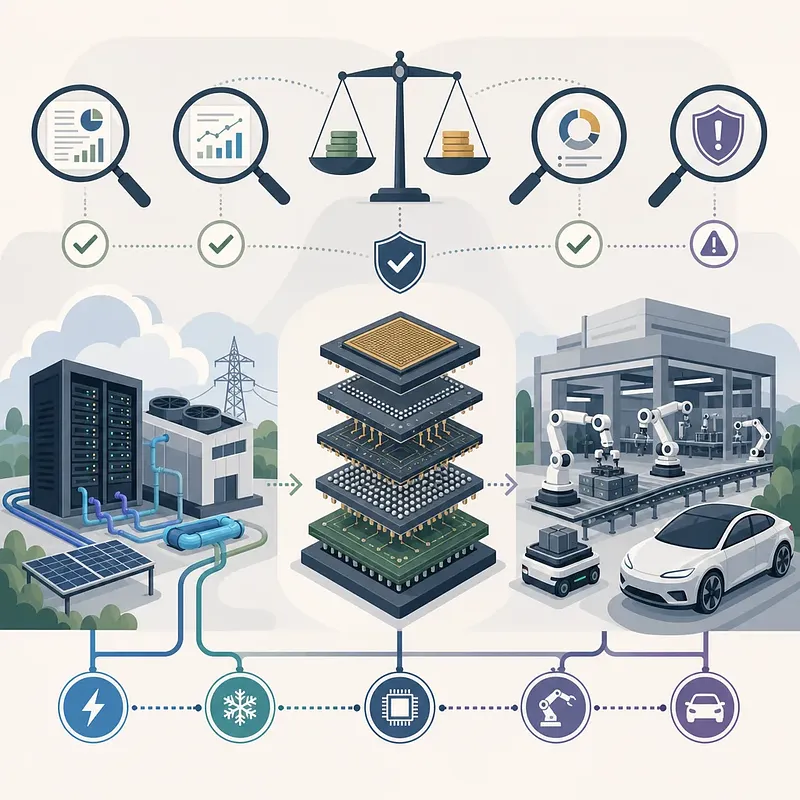
AI-related investing is increasingly about more than blue-chip chip names. As demand grows, bottlenecks may shift toward power, cooling, data centers, cloud operating capacity, advanced packaging, and large-area semiconductor substrates. This article outlines a broader framework for evaluating the AI cycle, including how automotive companies may be reassessed through robotics, software, AI factories, and physical AI data. It also emphasizes a practical point for individual investors: compare analyst revisions with business report figures, assess earnings visibility, and define buying criteria, stop-loss levels, portfolio weights, and cash allocation in advance. Read more : https://injoys.com/en/articles/ai-semiconductor-next-investment-framework #AI #Semiconductors #Investing


July National Pension Premium Increase: Overview of the Upper and Lower Limits of the Standard Monthly Income and the 9.5% Premium Rate
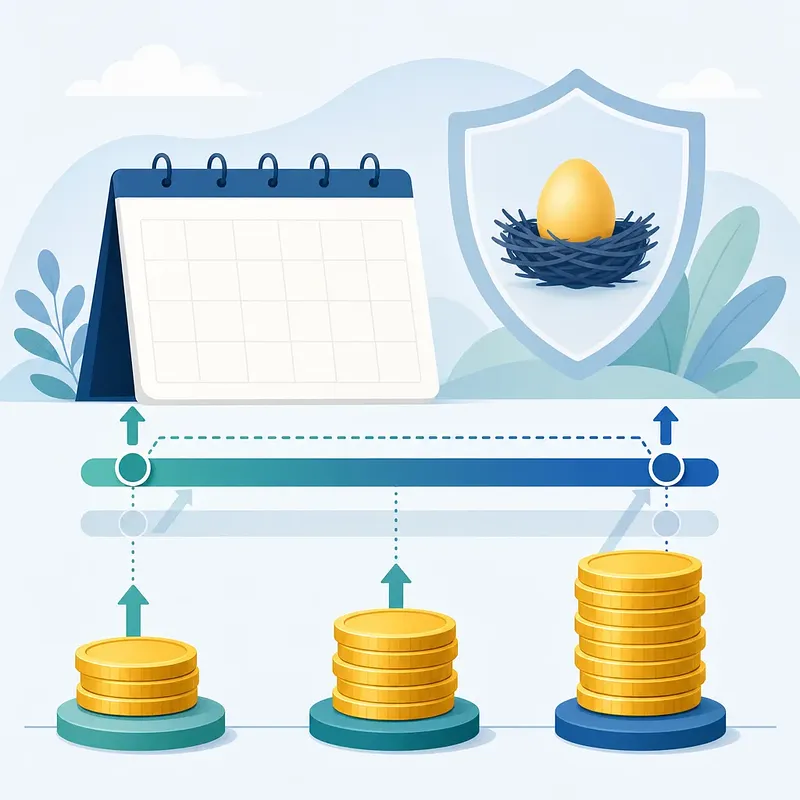
Starting in July, the standard monthly income range used to calculate Korea’s National Pension premiums will be updated: the upper limit increases from 6.37 million won to 6.59 million won, and the lower limit from 400,000 won to 410,000 won. That matters for payroll planning and personal budgeting. Applying the 9.5% contribution rate brings the maximum monthly premium to 626,050 won. For employees, the increase is typically shared with employers, so the paycheck impact is half of the total premium change. The article breaks down who is most affected and why higher contribution bases may also support higher future pension benefits. Read more : https://injoys.com/en/articles/national-pension-premium-july-income-ceiling-floor-rate #NationalPension #RetirementPlanning
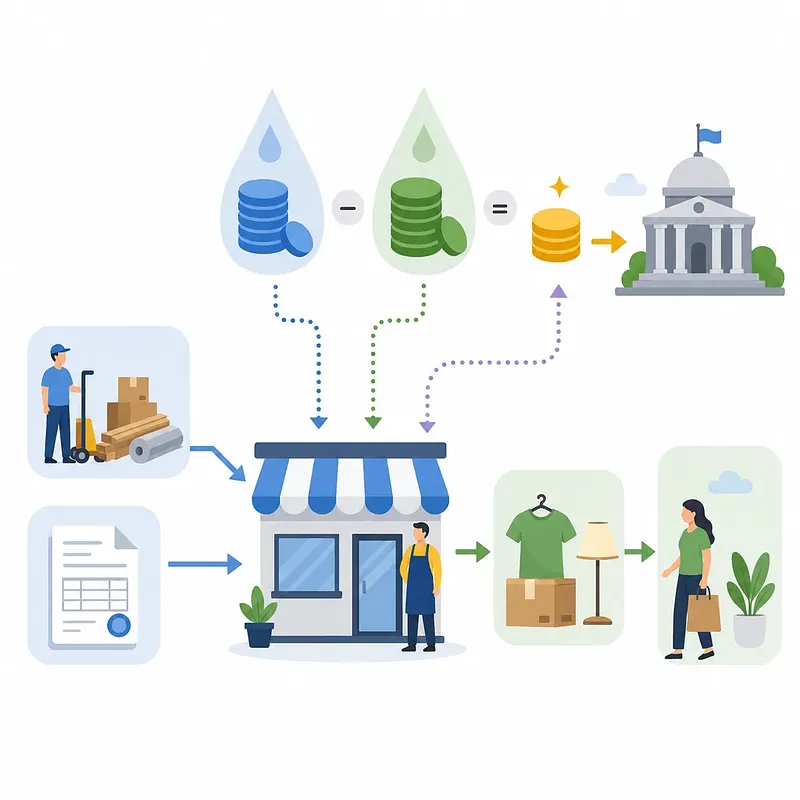
What is value-added tax (VAT), and how is it calculated?
For businesses, VAT is not just a line item on an invoice—it is a tax collected from consumers and reported by the business. Misunderstanding that distinction can distort revenue, cash flow, and tax planning. This article outlines the basic VAT structure for general taxpayers: output tax minus deductible input tax, the standard 10% rate, the difference between supply price and consideration, and when input tax may result in a refund. It also highlights why keeping collected VAT in a separate account can reduce accounting risk. Read more : https://injoys.com/en/articles/what-is-value-added-tax-vat-korea #VAT #TaxFiling #BusinessFinance

The Shift Toward Monthly Rent in South Korea’s Jeonse and Monthly Rent Market: The Structure of Jeonse Weakness, Supply Shortages, and Policy Risks
South Korea’s move from jeonse toward monthly rent is becoming a structural housing issue, not just a change in rental preference. The article explains how higher interest rates, concerns over deposit returns, urban supply shortages, rental business regulations, and shifting household structures are weakening jeonse’s role as a monthly-cost buffer for tenants. It also highlights a key policy challenge: public rental housing alone cannot meet all demand, so stable private rental supply and tenant protection need to be addressed together. For policymakers and market observers, evaluating housing stability now requires looking beyond sale prices to rental availability, rent levels, deposit-related incidents, and displacement risks for vulnerable groups. Read more : https://injoys.com/en/articles/korea-jeonse-monthly-rent-market-structure #Jeonse #HousingMarket #RealEstatePolicy