 OnBinder
Social
A short written take on each piece of content: what changed and why it matters. Skim the point first, then follow through to the full article only for what interests you. Every take is drawn from real content, so the link takes you straight to the material it is based on.


In volatile markets, even experienced investors struggle to identify peaks and troughs consistently. That is why a durable investment framework can be more valuable than short-term prediction. This article outlines practical principles for individual investors: define asset allocation in advance, use rebalancing rules to reduce emotional decision-making, limit leverage and all-in exposure, and set loss limits before stress rises. It also highlights how frequent price-checking can amplify behavioral bias, especially for long-term investors. The key message: resilience in investing often comes from systems that protect you from your own reactions. Read more : https://injoys.com/en/articles/investing-principles-volatile-market-mental-management #Investing #RiskManagement #Volatility

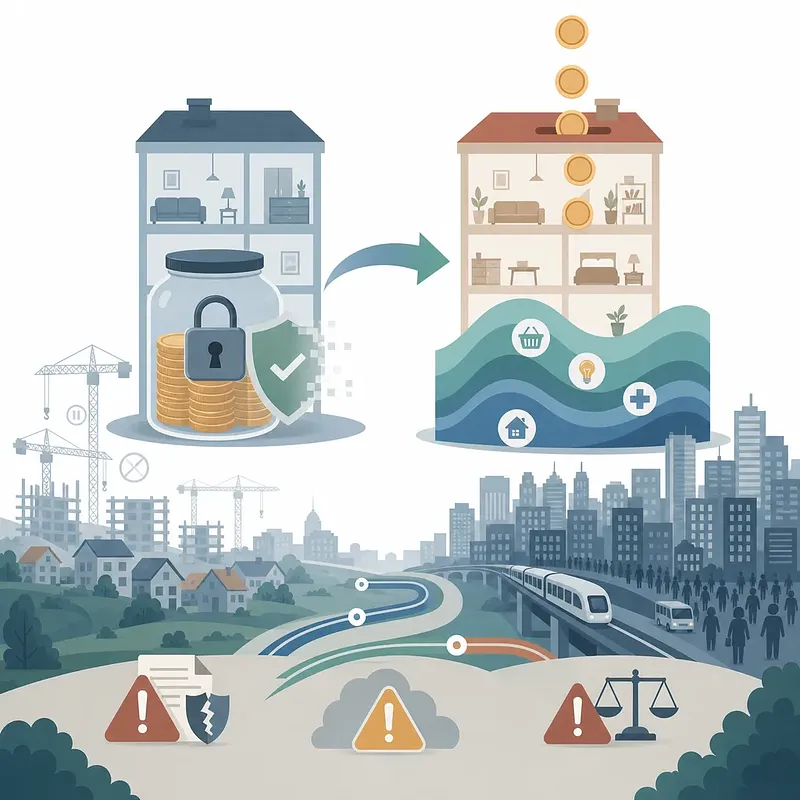
South Korea’s move from jeonse toward monthly rent is becoming a structural housing issue, not just a change in rental preference. The article explains how higher interest rates, concerns over deposit returns, urban supply shortages, rental business regulations, and shifting household structures are weakening jeonse’s role as a monthly-cost buffer for tenants. It also highlights a key policy challenge: public rental housing alone cannot meet all demand, so stable private rental supply and tenant protection need to be addressed together. For policymakers and market observers, evaluating housing stability now requires looking beyond sale prices to rental availability, rent levels, deposit-related incidents, and displacement risks for vulnerable groups. Read more : https://injoys.com/en/articles/korea-jeonse-monthly-rent-market-structure #Jeonse #HousingMarket #RealEstatePolicy
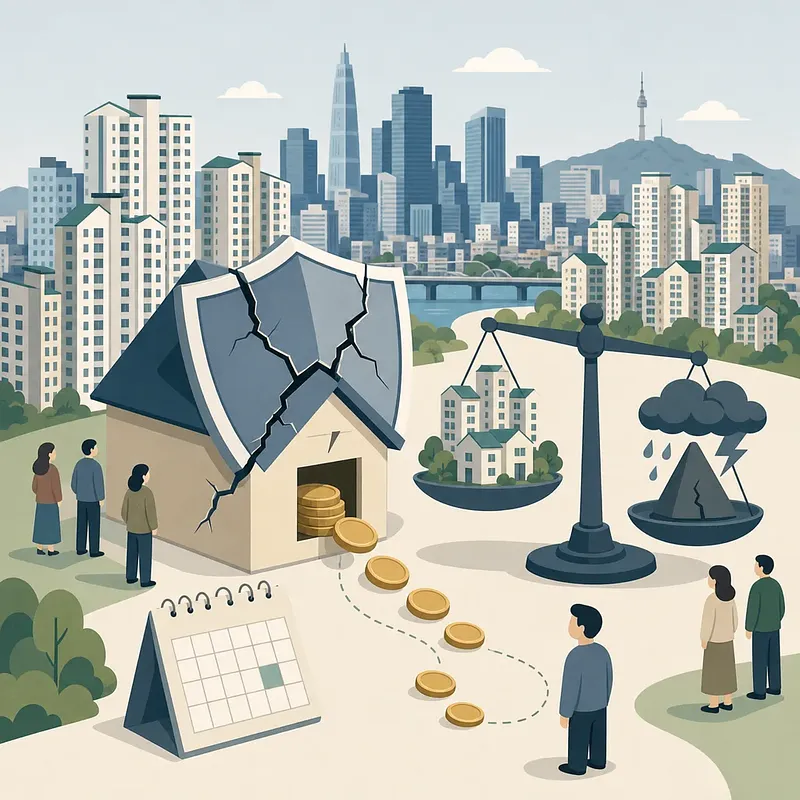

A boom in memory semiconductors is clearly positive for South Korea’s exporters, supporting sales, profits and investment capacity. But for monetary policy, the picture is more complex. This article explains why the Bank of Korea may prioritize higher interest rates despite strong export momentum. If the semiconductor upswing spreads into wages, stock prices, tax revenue and consumption, domestic demand can strengthen and service prices may rise. In that environment, the central bank’s focus remains price stability, inflation expectations and financial stability risks—not just industry-level growth. Read more : https://injoys.com/en/articles/semiconductor-boom-bank-of-korea-rate-hike #BankOfKorea #Inflation #Semiconductors


Chairman Choi Tae-won’s comments on SK Hynix as a long-term holding point to a broader industry question: how much can AI structurally change demand for memory semiconductors? The article examines the investment rationale linked to HBM, server DRAM, high-performance memory, and AI data center expansion. It also emphasizes why long-term growth narratives must be weighed against the cyclical nature of memory: pricing swings, oversupply, customer capex adjustments, technology transitions, valuation, earnings, cash flow, and portfolio exposure. This is not an investment recommendation, but a structured summary of the industry implications and key variables investors may want to review. Read more : https://injoys.com/en/articles/choi-tae-won-sk-hynix-long-term-holding-ai-memory #SKHynix #HBM #Semiconductors

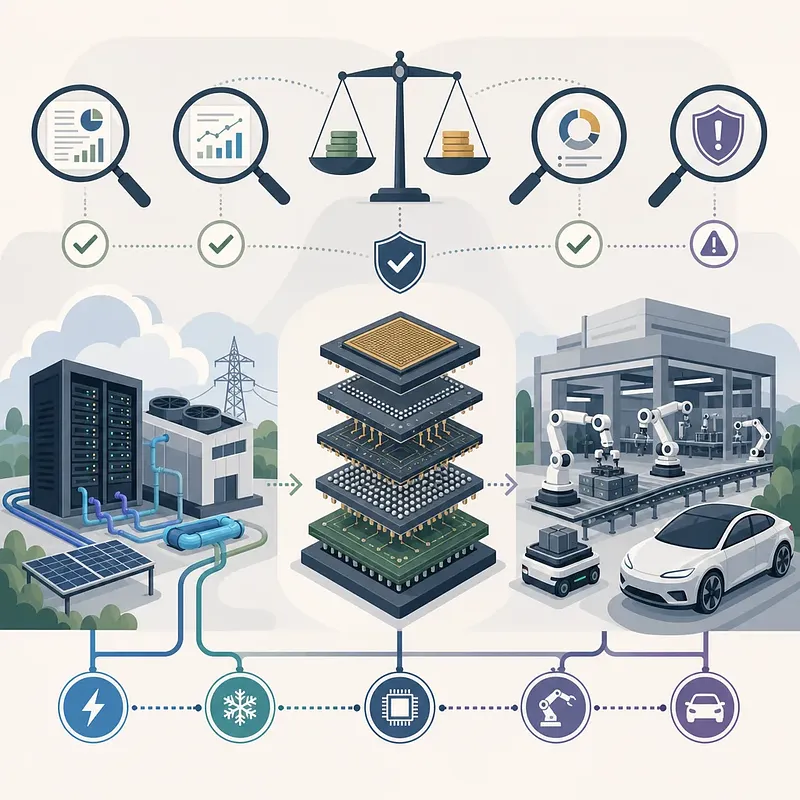
AI-related investing is increasingly about more than blue-chip chip names. As demand grows, bottlenecks may shift toward power, cooling, data centers, cloud operating capacity, advanced packaging, and large-area semiconductor substrates. This article outlines a broader framework for evaluating the AI cycle, including how automotive companies may be reassessed through robotics, software, AI factories, and physical AI data. It also emphasizes a practical point for individual investors: compare analyst revisions with business report figures, assess earnings visibility, and define buying criteria, stop-loss levels, portfolio weights, and cash allocation in advance. Read more : https://injoys.com/en/articles/ai-semiconductor-next-investment-framework #AI #Semiconductors #Investing

The Difference Between Contract Renewal and the Right to Request Renewal: Does the Right Resurface with a New Contract?
For residential leases, “renewal” can mean very different things depending on the legal substance of the agreement. A tenant’s right to request renewal is a statutory right that may be exercised once, usually extending the existing lease under the same terms and within legal limits for deposit or rent increases. But if the parties genuinely terminate the old lease and enter into a new one, the renewal-right analysis may change. The article explains why clear contract language matters—especially around whether the renewal right is being used, why terms changed, and whether the prior lease has ended. Read more : https://injoys.com/en/articles/jeonse-renewal-contract-vs-renewal-demand-right #HousingLease #ContractRenewal