Social
A short written take on each piece of content: what changed and why it matters. Skim the point first, then follow through to the full article only for what interests you. Every take is drawn from real content, so the link takes you straight to the material it is based on.


Wondering whether a routine health checkup is covered by indemnity medical insurance? Preventive screenings are generally excluded, but follow-up biopsies, polyp removals, tests, or treatment may qualify. Keep itemized statements and procedure records—not just a card receipt. #InsuranceClaims


Preparing before severe weather matters. Tenants can insure their own household belongings, while eligible small businesses can receive up to KRW 150 million for shops or KRW 200 million for factories in 2026. Premium subsidies start at 55%—but new policies cannot cover damage that has already occurred. #DisasterInsurance


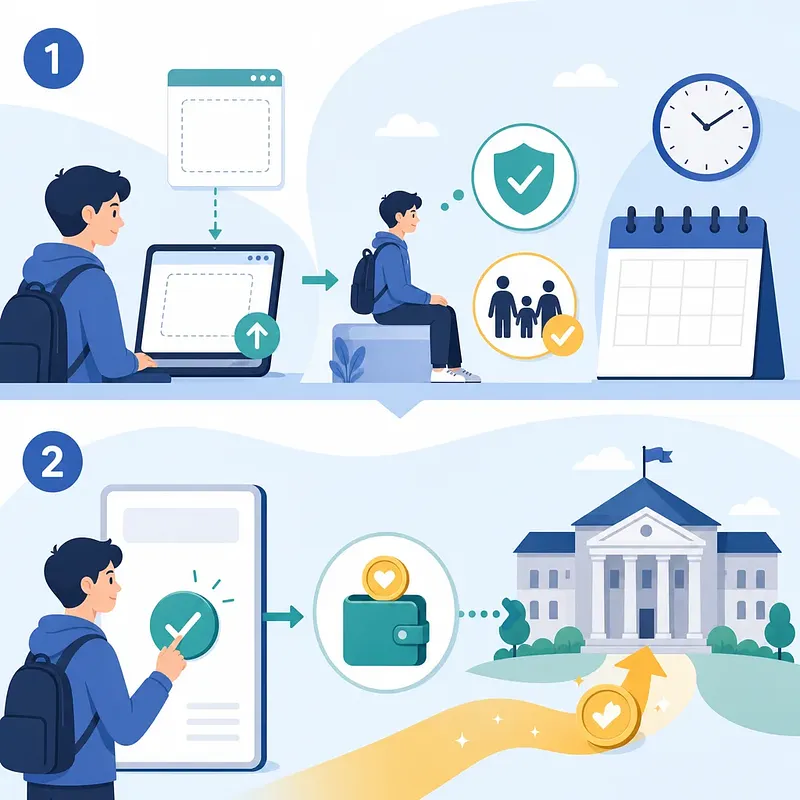
Applying is only step one. Korea’s 2026 fall student loans carry a 1.7% annual rate, and living-expense loans are capped at KRW 2 million per semester. After screening, borrowers must also complete disbursement during the university’s registration period. #StudentFinance
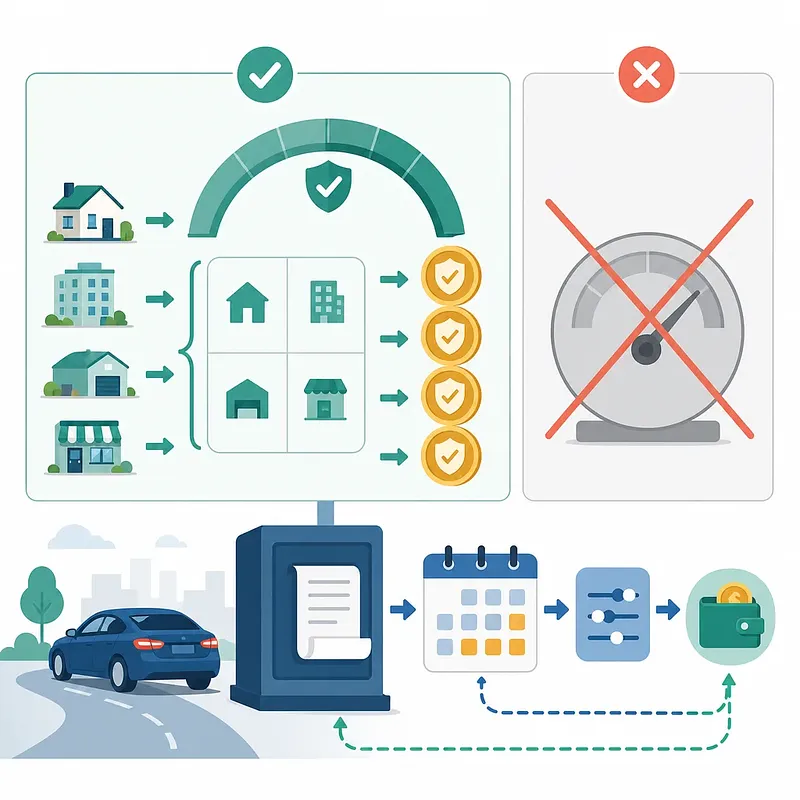
Fact-Checking the ‘Abolition of the Property Grading System’ for Self-Employed Health Insurance and the Current Calculation Structure
Did Korea really abolish property-based health insurance premiums for self-employed subscribers? Not quite. The February 2024 changes raised the basic property deduction to KRW 100 million and eliminated vehicle premiums, but property premiums are still calculated using a points table. #HealthInsurance

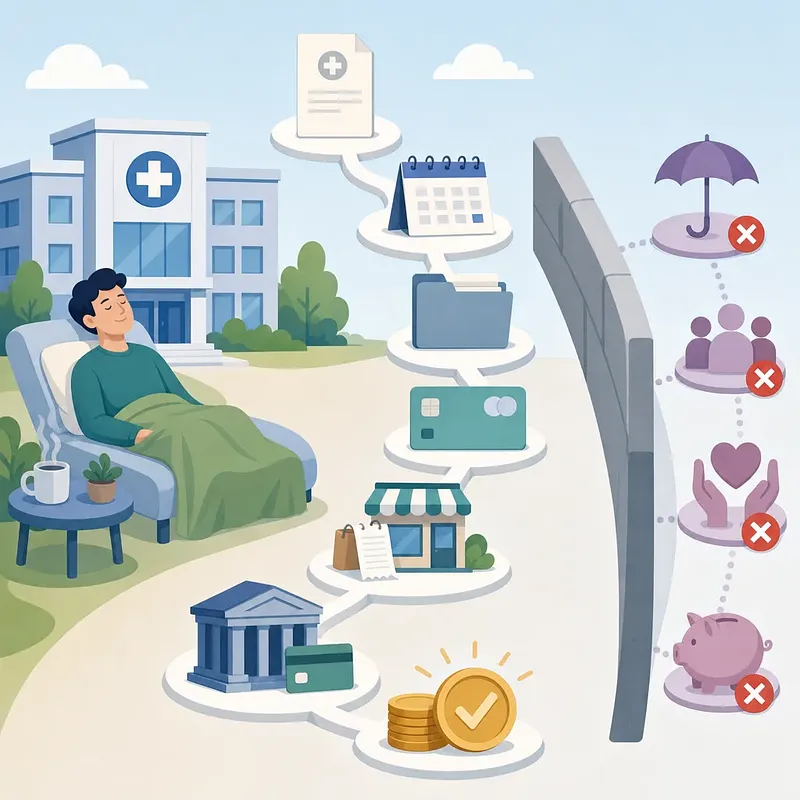
2026 Sickness Benefit Eligibility: Income Requirements, Payments, and Required Documents by Pilot Area
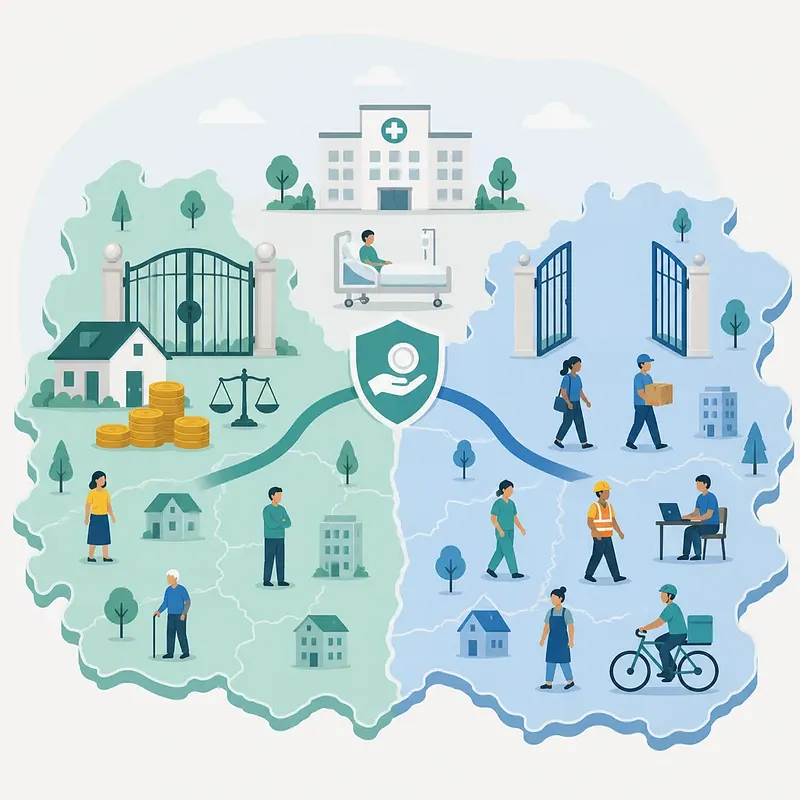
Unable to work because of a non-work-related illness or injury? See how the 2026 Sickness Benefit differs across pilot areas. Stage 2 pays 49,540 won per day and applies income and property requirements, while Stage 3 has no separate household income or property limits. #SicknessBenefit
Why Leveraged ETFs Are Risky: Daily Returns and Volatility Drag
A 2x or 3x leveraged ETF targets a multiple of each day’s return—not the asset’s total return over your holding period. Daily resets can create volatility drag, so you may lose money even if the underlying asset returns to its starting price. Review costs and maximum-loss scenarios before investing. #InvestmentRisk