Social
A short written take on each piece of content: what changed and why it matters. Skim the point first, then follow through to the full article only for what interests you. Every take is drawn from real content, so the link takes you straight to the material it is based on.

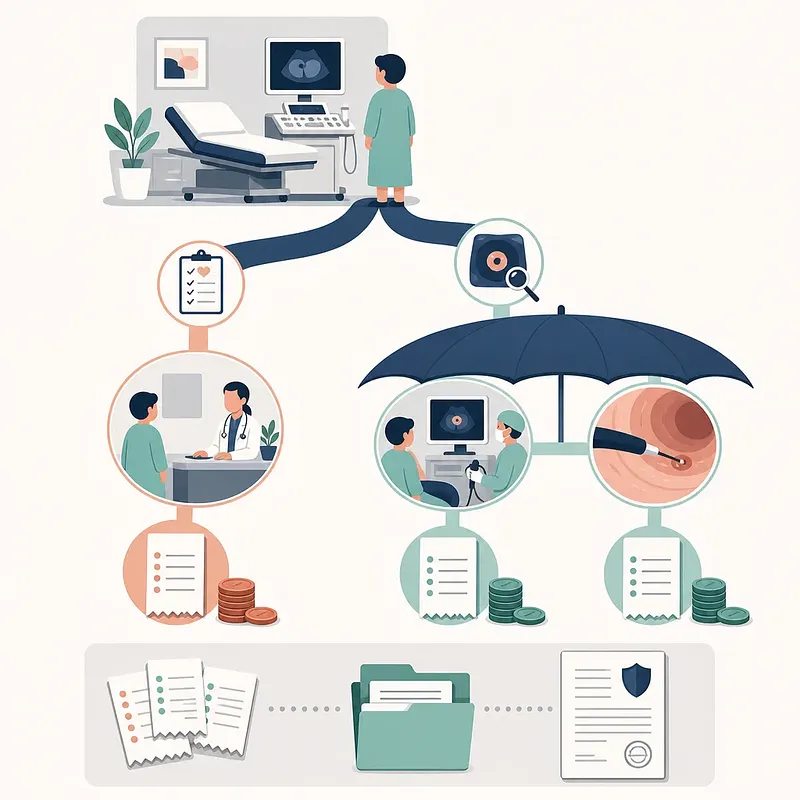
Preventive health screenings performed while a person is asymptomatic are generally excluded from indemnity medical insurance coverage. However, additional procedures prompted by an abnormal result—such as a biopsy, polypectomy, diagnostic test, or treatment—may be eligible after review. This distinction matters because insurers often cover only the treatment-related portion, not the original checkup cost. Documentation is also critical: a credit card receipt alone may be insufficient, so claimants should retain itemized medical statements, treatment confirmations, and procedure records. Eligibility ultimately depends on the medical record, enrollment date, expenses incurred, and individual policy terms. Fixed-benefit surgical coverage for polyp removal is assessed separately from indemnity benefits. Read more : https://injoys.com/en/articles/health-screening-indemnity-insurance-claim-guide #InsuranceClaims #HealthScreening


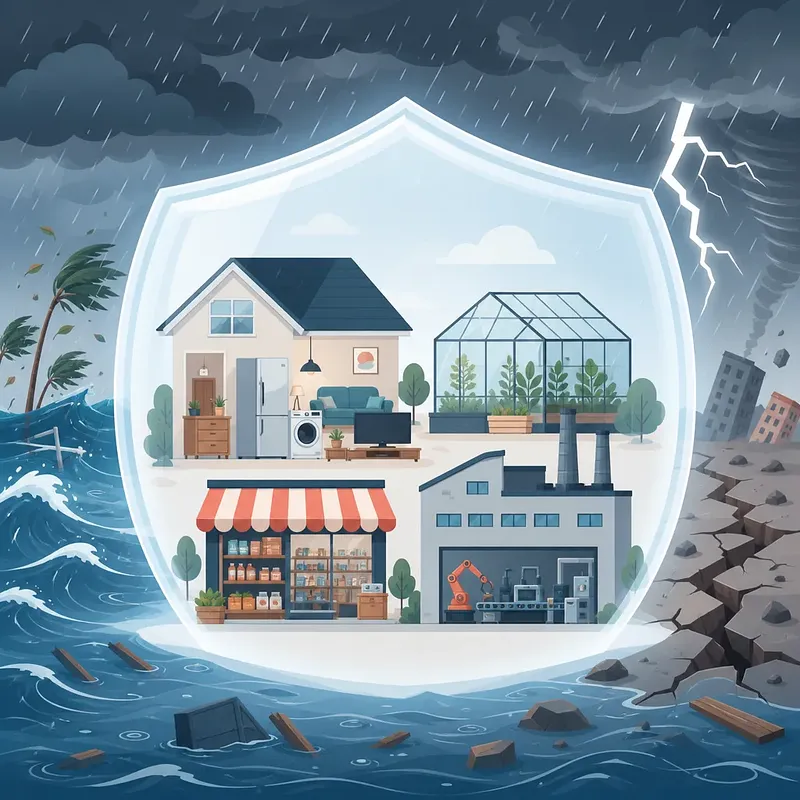
For households and small businesses, disaster preparedness includes understanding insurance before severe weather arrives. Korea’s government-backed Storm, Flood, and Earthquake Disaster Insurance can cover homes, tenant-owned household belongings, greenhouses, shops, and factories. In 2026, annual coverage limits for eligible small businesses increased to a maximum of KRW 150 million for shops and KRW 200 million for factories. Standard home premium subsidies begin at 55%, with higher rates for qualifying low-income and disaster-vulnerable households. The article also explains fixed-benefit versus indemnity coverage and why the policy effective date matters: damage that has already occurred cannot be covered by a new policy. Read more : https://injoys.com/en/articles/2026-korea-storm-flood-earthquake-insurance-guide #DisasterInsurance #RiskManagement

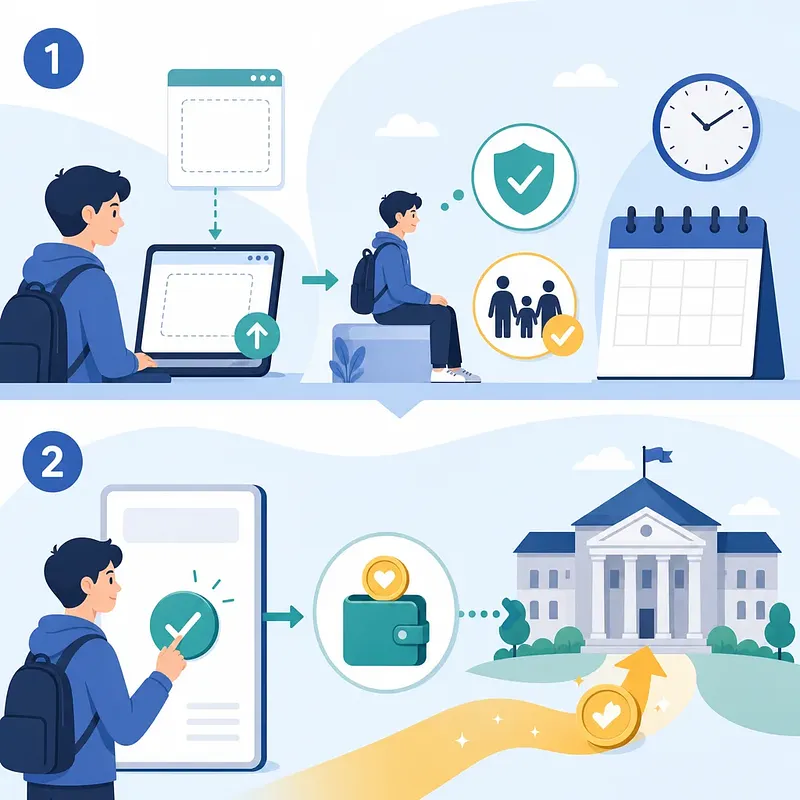
For students financing the 2026 fall semester in Korea, submitting a loan application is not the final step. Applications opened July 1, but borrowers must pass screening and then separately complete loan disbursement during their university’s registration period. The annual interest rate is 1.7%. Standard repayment loans use a fixed rate, while income-contingent repayment loans use a variable rate. Living-expense borrowing is limited to KRW 2 million per semester, and tuition loans are available up to the amount set by the university. Understanding the timeline matters: delayed household information consent or late academic and tuition data from a university may slow screening or disbursement. The article explains the process and key differences between repayment options. Read more : https://injoys.com/en/articles/2026-second-semester-korea-student-loan-application-guide #StudentFinance #StudentLoans
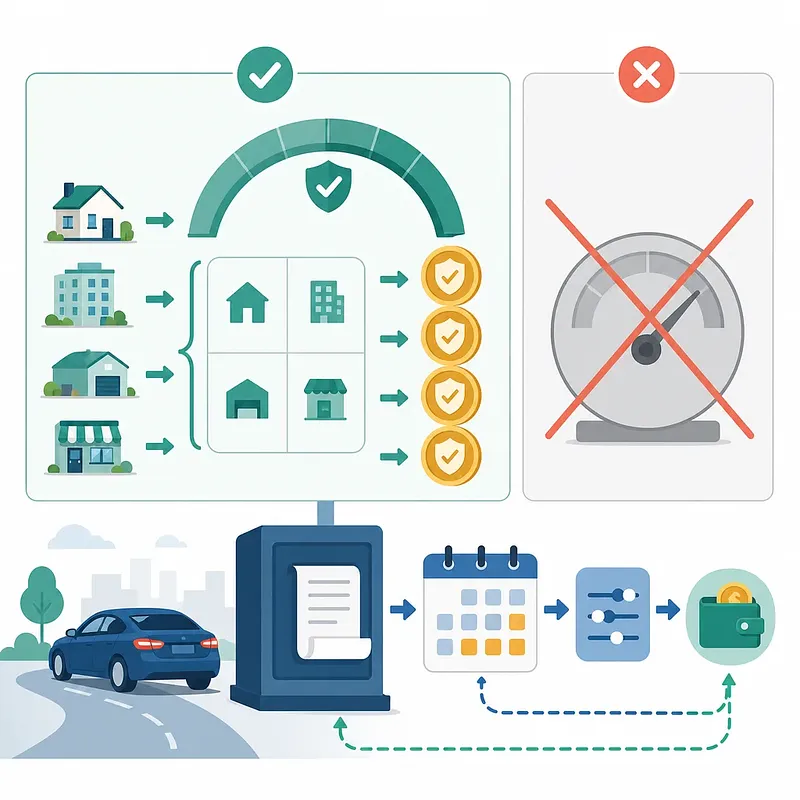
Fact-Checking the ‘Abolition of the Property Grading System’ for Self-Employed Health Insurance and the Current Calculation Structure
Claims that Korea abolished the property premium grading system for self-employed health insurance subscribers can create confusion about how premiums are currently assessed. The February 2024 reforms increased the basic property deduction from KRW 50 million to KRW 100 million and eliminated vehicle-based premiums. They did not, however, fully replace property premium calculations with a single flat percentage. A points table based on property value remains part of the structure. This distinction matters when estimating premium changes. Income, property tax base, deductions, household composition, and any approved adjustment or reconciliation must be considered together. The article provides a practical fact-check of the current rules. Read more : https://injoys.com/en/articles/regional-health-insurance-property-grade-system-fact-check #HealthInsurance #SelfEmployed

2026 Sickness Benefit Eligibility: Income Requirements, Payments, and Required Documents by Pilot Area
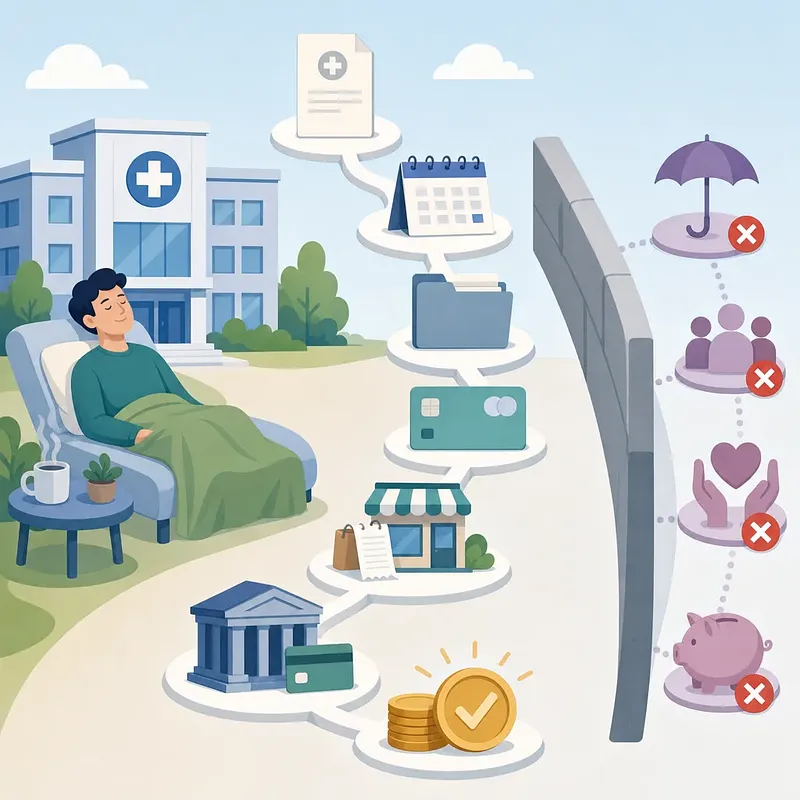
The 2026 Sickness Benefit can provide income support when an employed person cannot work because of a non-work-related illness or injury, but eligibility and payment rules differ by pilot area. Stage 2 applies in Anyang, Yongin, Dalseo-gu in Daegu, and Iksan. Applicants face income and property requirements, including household income at or below 120% of the median income, and the daily payment is 49,540 won. Stage 3 applies in Chungju, Hongseong, Jeonju, and Wonju, with no separate household income or property limits. Workplace health insurance employees may receive 60% of their average wage, within a daily range of 49,540 to 68,100 won. The article also outlines required medical and employment documents, plus restrictions involving overlapping benefits. Read more : https://injoys.com/en/articles/2026-korea-sickness-benefit-application-guide #SicknessBenefit #IncomeSecurity
Why Leveraged ETFs Are Risky: Daily Returns and Volatility Drag
Leveraged ETFs can behave very differently from what their 2x or 3x labels may suggest. These products generally target a multiple of daily returns, not a simple multiple of an underlying asset’s cumulative return over an extended holding period. That distinction matters because daily resetting changes the balance on which each subsequent gain or loss is calculated. In volatile or sideways markets, this compounding can produce volatility drag and substantial drawdowns—even when the underlying asset eventually returns to its starting level. Actual results may also be reduced by management fees, financing and derivatives costs, bid-ask spreads, and tracking error. The article explains what investors should verify in the prospectus, including the daily objective, rebalancing process, maximum-loss scenarios, and early termination terms. #LeveragedETF #InvestmentRisk