Social
A short written take on each piece of content: what changed and why it matters. Skim the point first, then follow through to the full article only for what interests you. Every take is drawn from real content, so the link takes you straight to the material it is based on.



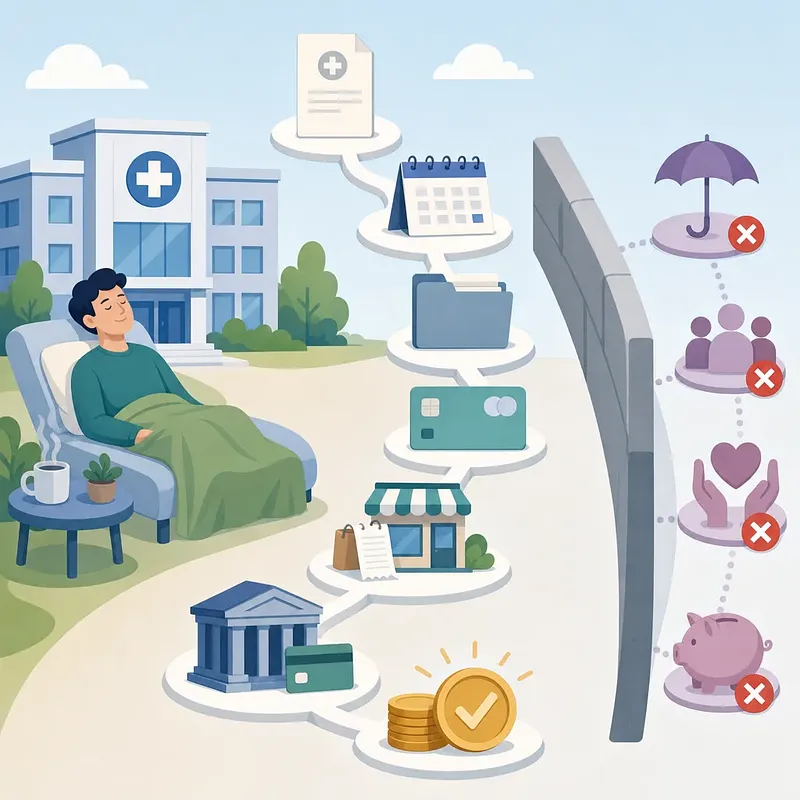
A preventive health checkup is usually not covered by indemnity medical insurance—but the story may change when an abnormality is found. Follow-up biopsies, polyp removals, diagnostic tests, or treatment may qualify after review. Often, only the additional treatment-related expenses are covered, not the full screening cost. Before filing, gather a medical expense receipt, itemized statement, treatment confirmation, and procedure records. A credit card receipt alone may not show enough detail. Coverage also depends on your enrollment date and specific policy terms. #MedicalInsurance #HealthScreening #InsuranceClaim #PolypRemoval #ClaimDocuments

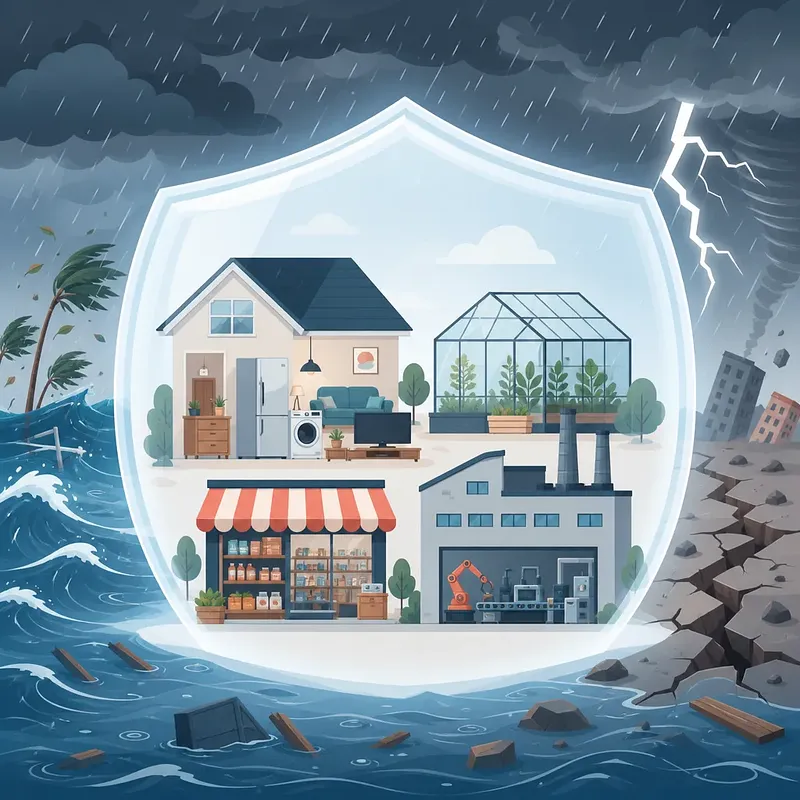
Could your home, rented belongings, shop, factory, or greenhouse be covered before the next typhoon or flood? This guide explains Korea’s government-backed disaster insurance, including the difference between fixed-benefit and indemnity coverage. It also outlines 2026 small-business limits of up to KRW 150 million for shops and KRW 200 million for factories, plus premium subsidies starting at 55% depending on eligibility. Coverage must be active before damage occurs, so timing matters. #DisasterInsurance #FloodDamage #SmallBusinessInsurance #DisasterPreparedness

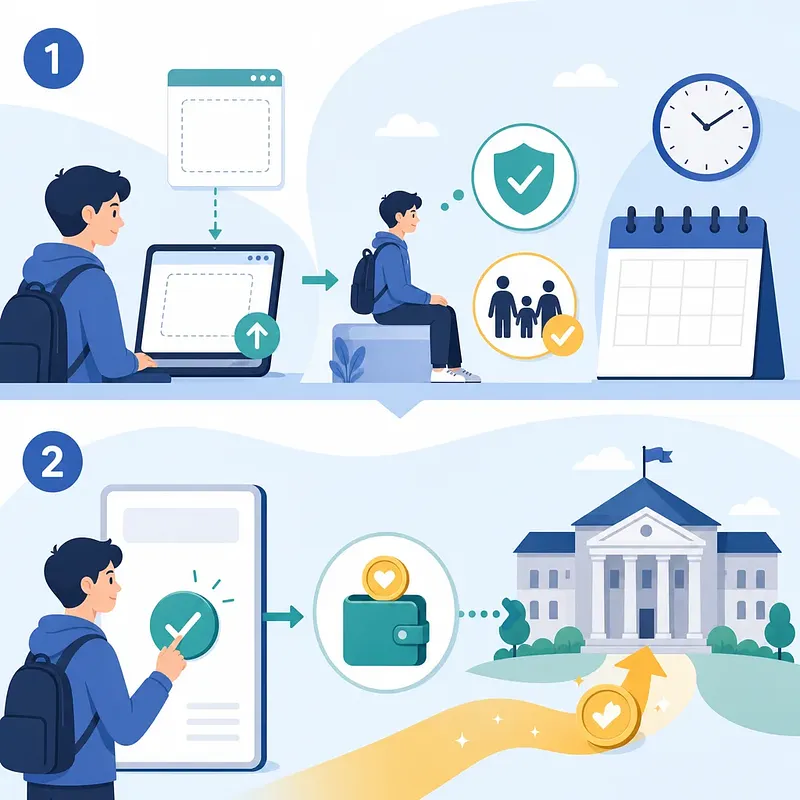
Planning to use a Korea Student Aid Foundation loan for the 2026 fall semester? Applications opened July 1, but approval does not automatically send the funds. After screening, you must complete the separate disbursement step during your university’s registration period. The annual interest rate is 1.7%. Living-expense loans are capped at KRW 2 million per semester, while tuition loans cover up to the tuition amount set by the university. The guide also compares standard and income-contingent repayment options. #StudentLoans #StudentFinance #TuitionLoan #LivingExpenseLoan #KoreaStudentAid
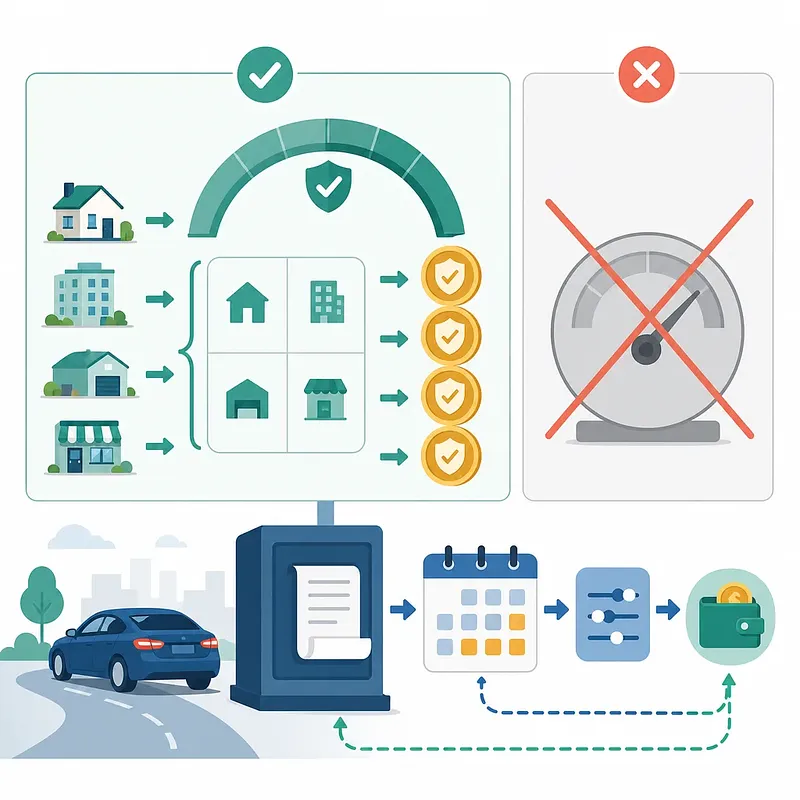
Fact-Checking the ‘Abolition of the Property Grading System’ for Self-Employed Health Insurance and the Current Calculation Structure

What actually changed for self-employed health insurance subscribers in Korea? Starting with the February 2024 premium, the basic property deduction rose from KRW 50 million to KRW 100 million, while vehicle-based premiums were abolished. However, property premiums are still calculated through a points table—not by applying one flat percentage to the exact property value. The article also explains when income adjustments may be requested and which factors must be reviewed to estimate whether a household’s premium will rise or fall. #HealthInsurance #SelfEmployed #PropertyPremium #IncomeAdjustment
2026 Sickness Benefit Eligibility: Income Requirements, Payments, and Required Documents by Pilot Area
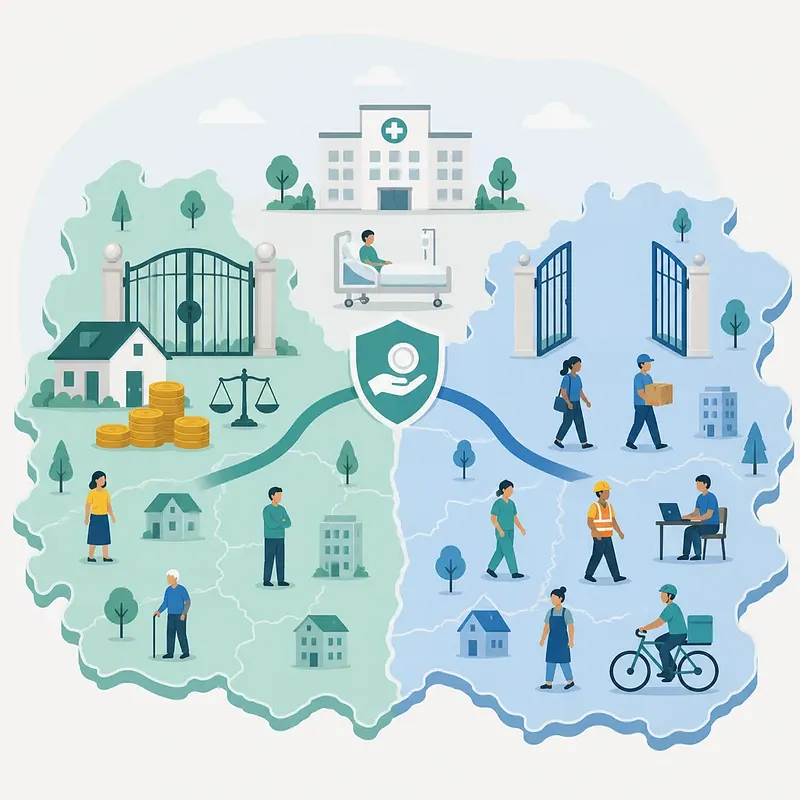
Sickness Benefit rules in 2026 depend on where you live, your insurance enrollment, and your type of employment. Stage 2 covers Anyang, Yongin, Dalseo-gu, and Iksan, with household income and property requirements. Its daily payment is 49,540 won. Stage 3 covers Chungju, Hongseong, Jeonju, and Wonju without separate household income or property limits. Eligible workplace-insured employees may receive 60% of their average wage, from 49,540 to 68,100 won per day. Review the application documents and restrictions on receiving overlapping benefits before applying. #SicknessBenefit #MedicalLeave #IncomeSecurity #WelfareSystem
Why Leveraged ETFs Are Risky: Daily Returns and Volatility Drag
Leveraged ETFs are built around daily targets. A 2x or 3x label generally refers to a multiple of one day’s return—not the cumulative return over weeks, months, or years. When markets repeatedly rise and fall, daily compounding can create volatility drag. Fees, financing costs, spreads, derivatives expenses, and tracking error may reduce performance further. Before investing, examine the prospectus for the daily objective, rebalancing method, maximum-loss scenarios, and early termination conditions. #LeveragedETF #VolatilityDecay #ETFInvesting #InvestmentRisk #CompoundInterest