Social
A short written take on each piece of content: what changed and why it matters. Skim the point first, then follow through to the full article only for what interests you. Every take is drawn from real content, so the link takes you straight to the material it is based on.

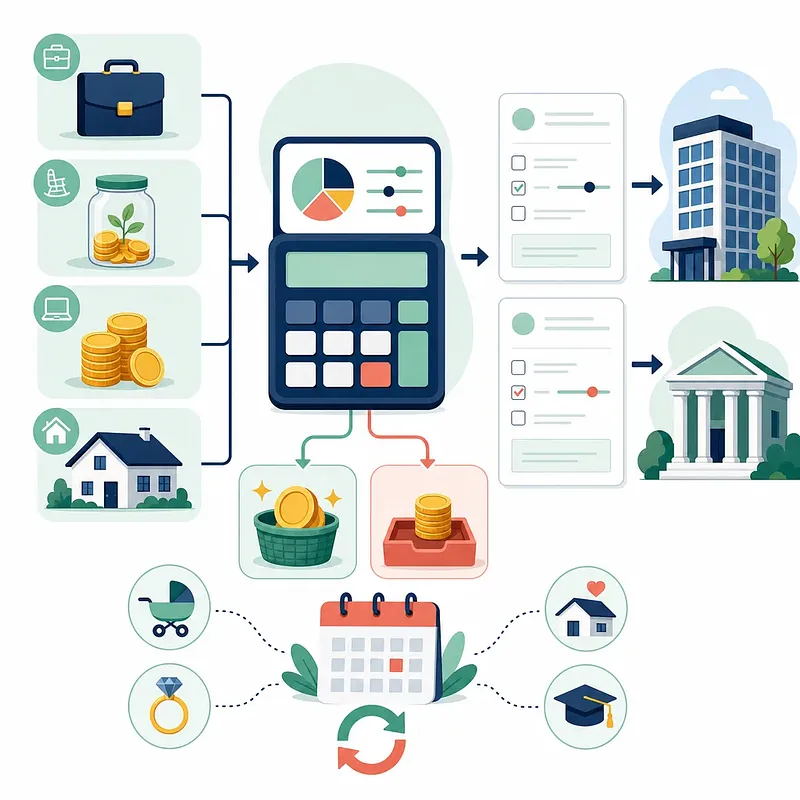
Federal tax withholding can become outdated when income, deductions, jobs, or family circumstances change. The 2026 IRS Tax Withholding Estimator helps taxpayers compare projected federal income tax with the amount expected to be withheld by year-end. This guide explains which documents to gather, including recent pay or pension statements, the latest federal tax return, and records of other income and deductions. It also covers the estimator’s new questions about qualified tips, overtime compensation, car loan interest, and the additional deduction for seniors. If an adjustment is appropriate, users can download a prefilled Form W-4 or W-4P. The result is an estimate—not a filed return or refund approval—but it can support more informed withholding decisions. #TaxWithholding #IRS


The 2026–27 FAFSA introduces details that students and families should understand before filing. The federal submission deadline is June 30, 2027, at 11:59 p.m. Central Time, but state and institutional priority deadlines may be significantly earlier, especially where funding is limited. The scheduled maximum Federal Pell Grant award is $7,395, although individual awards depend on financial need, enrollment intensity, attendance period, and school-determined costs. Revised asset rules also exclude the net worth of qualifying family businesses with no more than 100 employees and family farms where the family resides. This guide explains account preparation, contributor invitations, IRS data consent, and the post-submission checks that help identify errors. #FAFSA #FederalStudentAid


Year-End Tax Settlement Correction Claims: 5-Year Deadline and Refund Application Process
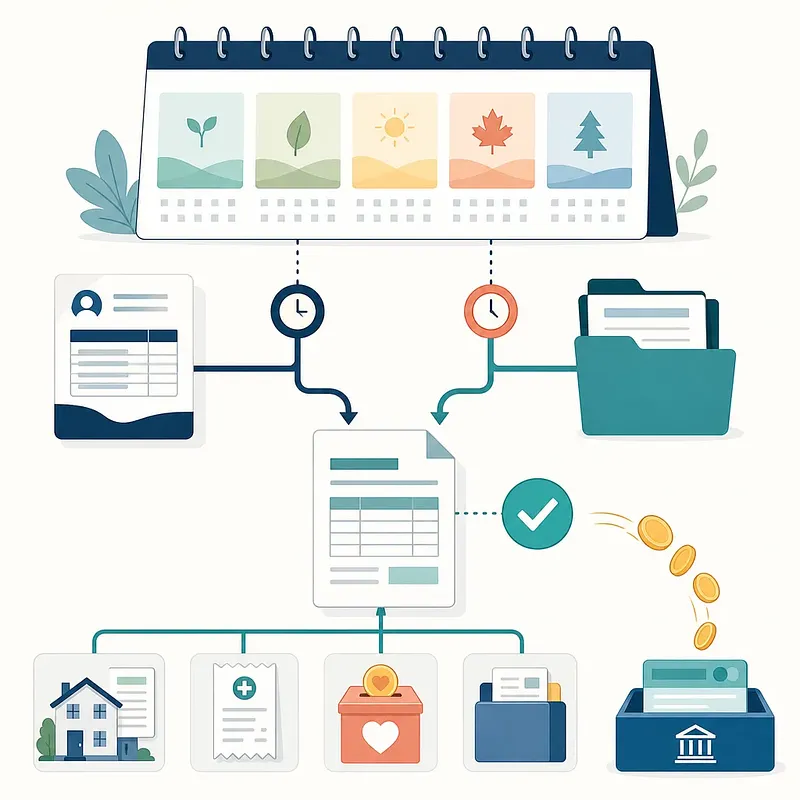
Overpaid income tax can result from something as simple as missing an eligible deduction during year-end tax settlement. A claim for correction provides a process for requesting a tax reduction and refund, but timing matters. This article explains how the five-year filing period may begin on different dates depending on whether the taxpayer completed only a wage-income year-end settlement or also submitted a comprehensive income tax return. For example, a correction claim for a 2021 comprehensive income tax return can generally be filed through May 31, 2027. It also outlines the eligibility and documentation checks for rent, medical expenses, and donations—and clarifies when an amended return may be required instead. #IncomeTax #TaxRefund #YearEndTaxSettlement

Is It Illegal for a Child to Use a Parent's Credit Card? Card Transfers and Gift Tax Rules
Allowing a child to use a credit card issued in a parent’s name can create both legal and tax issues—even when the cardholder has given consent. This article examines how unrestricted use may violate card terms and when transferring the card and authority to use it could result in criminal penalties. It also explains why a single payment made on another person’s behalf does not automatically establish a transfer offense; the full circumstances matter. On the tax side, ordinary living or educational expenses may be exempt from gift tax when the child needs support and the funds are spent directly for those purposes. The article also clarifies that deductions of 50 million won for adult children and 20 million won for minors apply over a 10-year period, rather than as annual tax-free card-use limits. #GiftTax #FinancialLaw #CreditCard

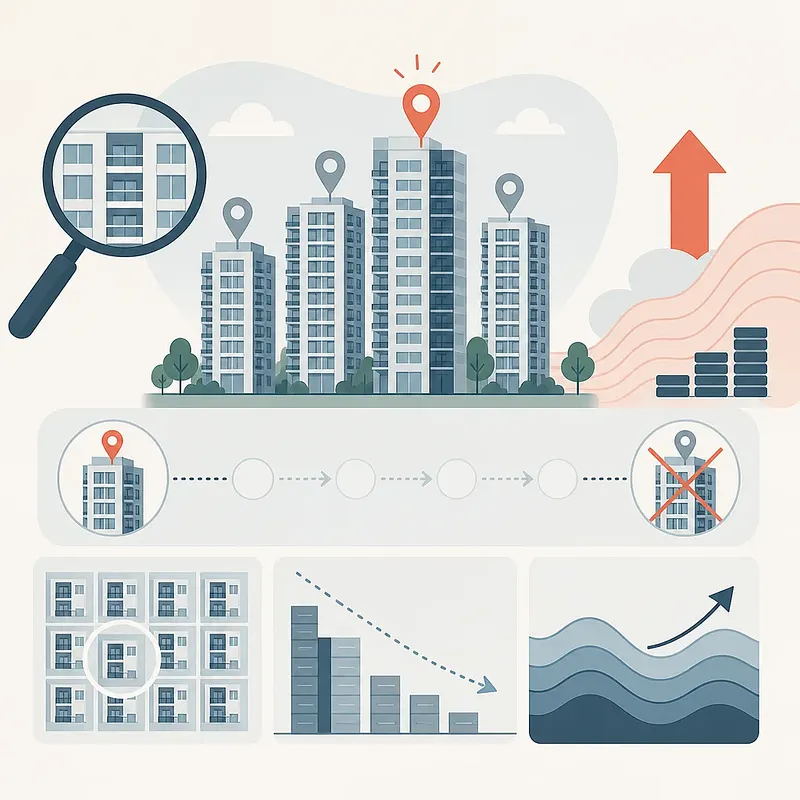
Apartment strength in the KRW 1.5–2.5 billion range may reflect both constrained supply and demand moving up from lower price brackets. Under the price-tiered mortgage framework announced in October 2025, nominal loan caps decrease as home prices rise within covered areas. Yet the stated cap is not the amount every buyer can borrow: LTV, stress DSR, income, existing debt, and lender reviews still apply. If upgrading requires substantially more cash, owners may postpone moving and withhold their current homes from sale, contributing to listing lock-in. However, isolated record transactions—especially in a low-volume market—cannot prove either a broad price increase or a direct regulatory effect. Reliable analysis should track volume, comparable repeat transactions, listings, cancellations, and financing costs. #ApartmentMarket #LoanRegulations

Checking FEMA Flood Zones by Address: Map Ratings and the NFIP Waiting Period
Flood-zone information can affect property financing, insurance planning, and risk assessment. FEMA’s Flood Map Service Center lets users search current official maps by address, place name, or coordinates—and checking the map’s effective date is an important part of that review. This article explains how A and V zones generally relate to Special Flood Hazard Areas, why an X designation does not eliminate flood risk, and when insurance may be required for certain federally related loans. It also outlines the NFIP’s standard 30-day waiting period and exceptions involving mortgage transactions, newly designated high-risk zones, and certain post-wildfire floods. For disputed mapping, it introduces FEMA procedures such as LOMA and LOMR requests. #FEMA #NFIP #FloodInsurance