Social
A short written take on each piece of content: what changed and why it matters. Skim the point first, then follow through to the full article only for what interests you. Every take is drawn from real content, so the link takes you straight to the material it is based on.


The Bank of Korea's First Physical Gold Purchase Plan in 13 Years and Domestic Procurement Method
The Bank of Korea is establishing a domestic procurement system that could enable its first physical gold purchases since 2013, when its holdings reached 104.4 metric tons. The proposed method is notable: purchase export-bound gold from domestic refiners in won through negotiated over-the-counter block trades. This could reduce the direct impact on dollar liquidity and limit how prominently central-bank orders appear in exchange prices available to ordinary investors. The strategy also raises operational questions involving domestic storage, verification costs, liquidity management, and reserve classification. The article examines these trade-offs and clarifies how physical gold differs from gold ETFs in price exposure, ownership, custody, and treatment as foreign exchange reserves. #BankOfKorea #GoldReserves


Changes to Comprehensive Real Estate Holding Tax and Capital Gains Tax Under the Real Estate Tax Reform Plan
South Korea’s proposed real estate tax reform could change both who pays comprehensive real estate holding tax and how capital gains deductions are calculated. For one-home households, the basic deduction threshold would rise from an officially assessed value of KRW 1.2 billion to KRW 1.4 billion. At the same time, higher rates and a higher fair market value ratio could increase the burden for some high-priced homes. Capital gains deductions may also shift from ownership duration toward actual residence duration, while surtaxes for multiple-home owners would be reduced in phases rather than abolished immediately. For transaction planning, the key is to distinguish proposals from enacted rules and verify passage, effective dates, transitional provisions, and detailed criteria. #RealEstateTax #CapitalGainsTax


For first-time homebuyers, due diligence should extend beyond choosing a busy brokerage or relying on property advertisements. An agent’s registration status, document-verification practices, specific explanations and disclosure of conflicts of interest are more meaningful indicators. This guide explains how to cross-check the real estate registry certificate, building register, actual transaction prices and on-site condition. It also covers how to draft a clearer loan rejection contingency, why the property confirmation and explanation form does not replace an inspection, and what to verify immediately before closing. These steps can help buyers identify inconsistencies early and reduce avoidable contract and closing disputes. #Homeownership #RealEstateContract


Apartment management fee comparisons can be misleading when the underlying properties are not truly comparable. K-apt’s 1-to-1 feature helps prospective renters and buyers compare two complexes using the same billing month and per-unit cost categories. For a useful comparison, select similar unit sizes and distinguish common management fees, individual usage charges, and long-term repair reserves. Context matters: heating type, number of units, and year of completion can affect totals. Since K-apt reports complex-wide averages, review 12 months of trends, compare nearby complexes, and request the actual bills for the unit before signing. #HousingCosts #Kapt

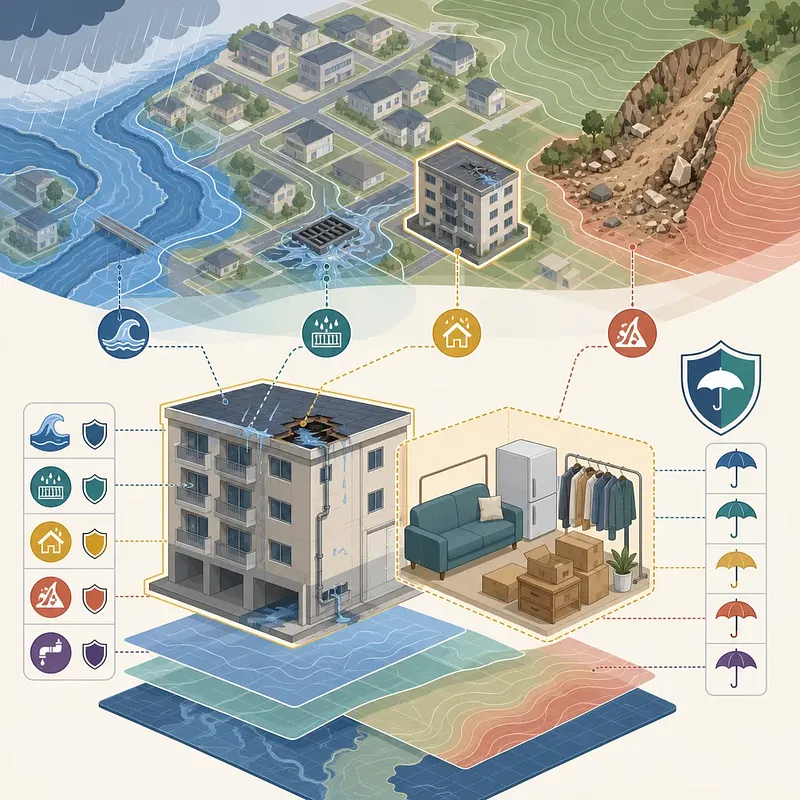
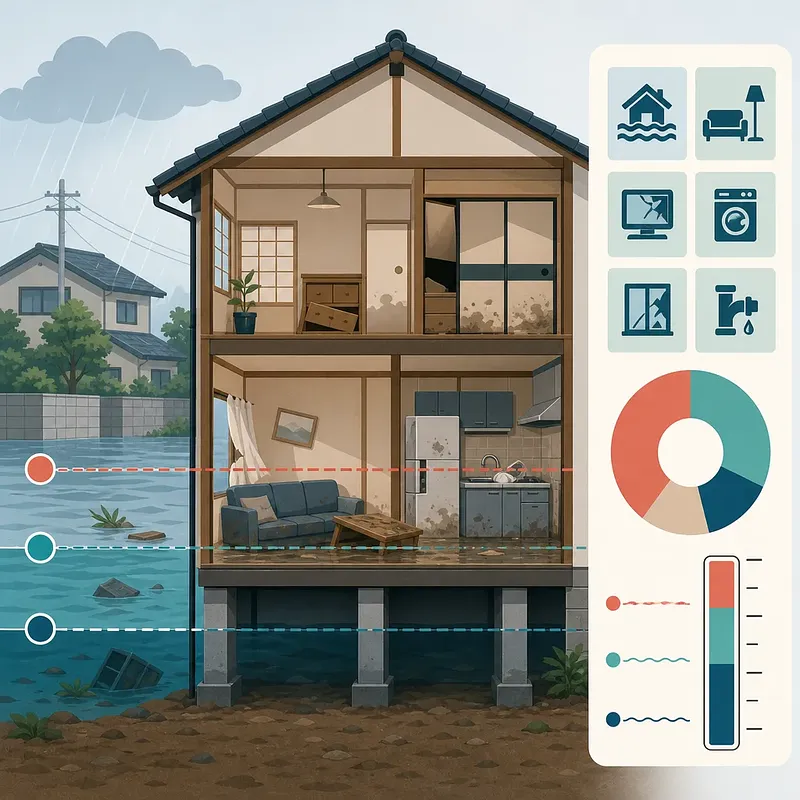
Understanding flood coverage in Japanese fire insurance requires more than checking whether an area appears on a hazard map. Policies may use distinct conditions such as inundation exceeding 45 cm from ground level, flooding above floor level, or a loss ratio of at least 30%—but the actual contract terms take precedence. This article explains why projected inundation depth indicates future risk rather than claim eligibility, and how river flooding, inland flooding, rainwater intrusion, and water leakage may be treated differently. It also outlines the separate checks renters should make for household contents, tenant liability, and repair expenses. #JapaneseInsurance #FloodRisk #RiskManagement
Why Seoul New Town Presale Prices Are Soaring: Noryangjin and Heukseok Cases and Application Criteria
Seoul redevelopment presales highlight an important distinction: a high advertised price or application competition rate does not, by itself, establish investment value or safety. In Heukseok New Town Zone 11, provided materials listed 84㎡ units at ₩2.7194–₩2.9782 billion. This article examines the forces behind such pricing, including limited general-sale inventory, construction costs, unit-type differences, and the uneven application of presale price ceilings. It also explains why competition can appear intense when only a small number of units are available. For a sound assessment, buyers should calculate optional items, taxes, and financing costs, then confirm schedules and prices through current official recruitment notices and disclosed transaction data. #SeoulHousing #RealEstate