Social
A short written take on each piece of content: what changed and why it matters. Skim the point first, then follow through to the full article only for what interests you. Every take is drawn from real content, so the link takes you straight to the material it is based on.


The application period for the first-half 2026 semiannual Earned Income Tax Credit runs from September 1–15, 2026. Preparation matters because eligibility depends on more than the current application form. Applicants should confirm that both spouses have only earned income in 2026, review their combined total income for 2025, and check household assets as of June 1, 2025. Identity verification and payment account information are also needed for the Hometax application. This guide outlines the application process, how to check the review and payment outcome by December 30, and how the June 2027 settlement may result in an additional payment or recovery. #EITC #Hometax #Taxes

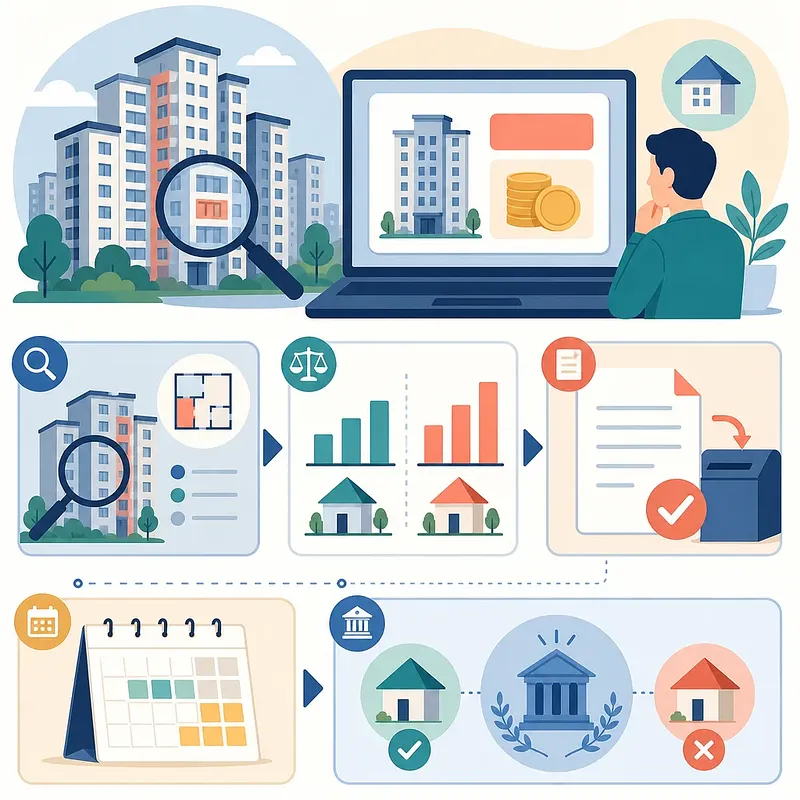
The proposed public prices of eligible multi-unit housing as of June 1, 2026, are open for inspection and comments from August 5 through August 24. This matters because public prices can affect property-related financial decisions and obligations. The article explains how to determine whether a home qualifies following new construction, major repairs, a change of use, or another qualifying event between January 1 and May 31. It also covers how to find the proposed price, review property characteristics and comparable transactions, and submit a supported comment online or at a designated location. Owners and legally interested parties can also learn how to check the outcome and consider the separate objection process after the September 30 announcement. #RealEstatePolicy #HousingMarket

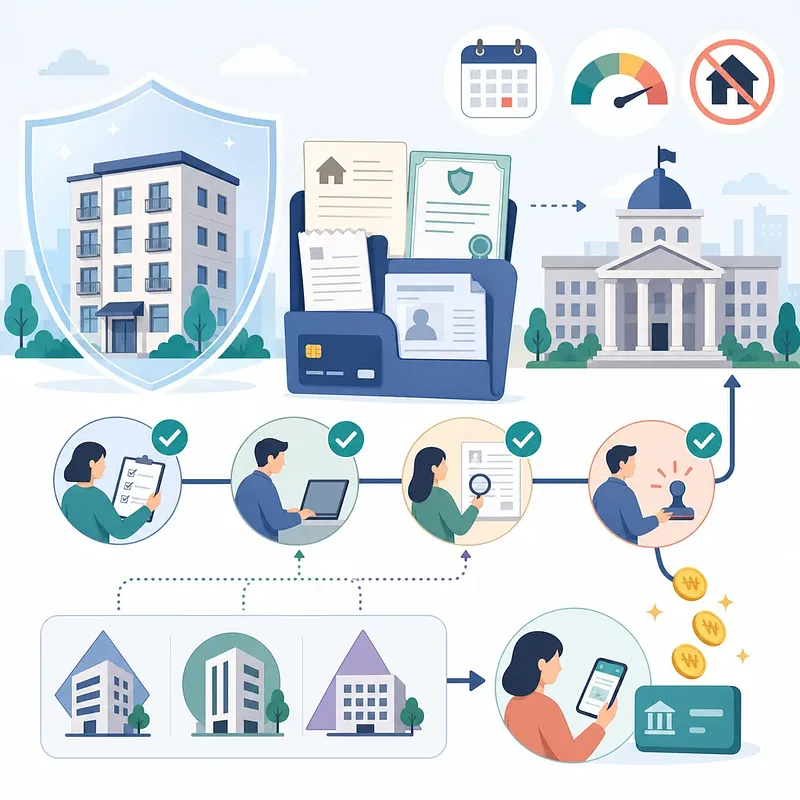
The 2026 jeonse deposit return guarantee premium support program can reimburse eligible tenants without a home for premiums already paid, up to KRW 400,000. Why it matters: eligibility depends on more than holding a guarantee. Applicants must have a valid HUG, HF, or SGI guarantee as of the application date, a rental deposit of no more than KRW 300 million, and income within the threshold for their applicant type. The application also requires supporting records such as the guarantee certificate, premium payment proof, lease agreement, and relevant income and marriage documents. Because application periods, remaining budgets, and online or in-person channels are set locally, applicants should review the 2026 notice issued by the government where they reside and monitor any requests for supplementary documents. #Jeonse #HousingCosts

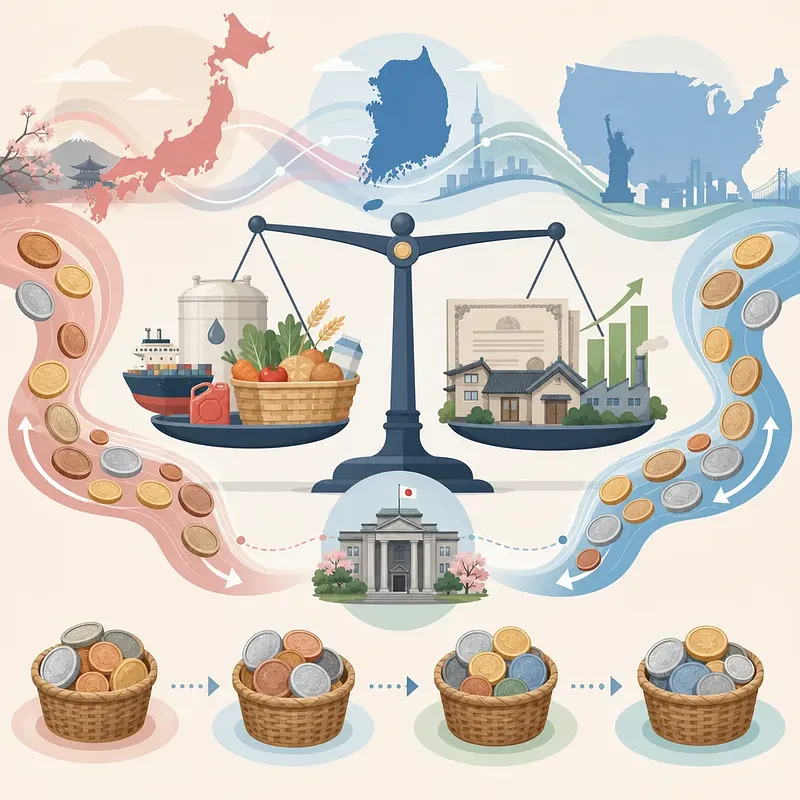
Understanding the Structure of the Yen, Won, and Dollar Through the History of Currency Intervention
Exchange-rate analysis becomes misleading when it relies on interest-rate differentials alone. Policy expectations, global dollar movements, trade balances, foreign capital flows, risk aversion, inflation, and growth prospects can all operate at the same time. Japan’s experience is instructive: dollar-selling and yen-buying intervention resumed in 2022, so describing a later action as the first such intervention in 28 years is inaccurate. Intervention may limit short-term volatility, but sustaining a reversal generally requires support from broader economic fundamentals. The article uses this history to clarify the Bank of Japan’s dilemma, the multiple drivers of the won-dollar exchange rate, and a practical approach to managing dollar or yen exposure through timing, loss limits, and phased exchanges. #MonetaryPolicy #ExchangeRates
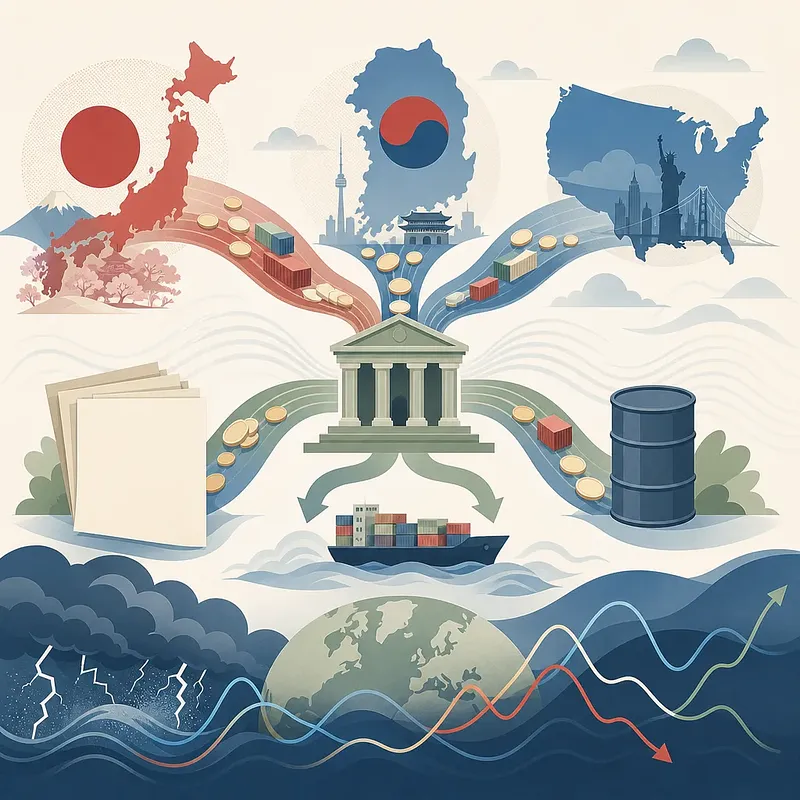
The July 2026 U.S. Producer Price Index offered encouraging—but limited—evidence of easing inflation pressure. Final-demand PPI rose 4.7% year over year and was unchanged month over month, while core PPI increased 4.2% annually and 0.2% monthly. Why does this matter? A lower-than-expected reading may reduce pressure for further rate increases, but it does not establish a timetable for Federal Reserve rate cuts. PPI also does not lead CPI by a fixed interval: item composition, business margins, import prices, and base effects can alter how producer costs reach consumers. The article explains how to interpret the figures alongside employment, PCE inflation, and financial conditions. #Inflation #MonetaryPolicy #Fed
August 2026 Seoul Apartment Application Schedule and Checklist
For anyone considering a Seoul apartment application in August 2026, the resident recruitment notice—not a tentative schedule—should be the basis for decision-making. Each notice may set different reference dates and requirements for residential-area priority, household homeownership status, head-of-household status, subscription account membership, deposits, and payment history. Applicants also need to distinguish special supply from general supply and select the appropriate housing type. Financial readiness matters just as much as eligibility. A realistic plan should include the deposit, interim and final payments, optional items, taxes, and uncertainty around loan availability. The article provides a practical checklist for reviewing these points and applying through CheongyakHome. #HousingSubscription #SeoulHousing #Homeownership