Social
A short written take on each piece of content: what changed and why it matters. Skim the point first, then follow through to the full article only for what interests you. Every take is drawn from real content, so the link takes you straight to the material it is based on.



Planning to apply for the first-half 2026 semiannual Earned Income Tax Credit? Before applying through Hometax from September 1–15, confirm that both you and your spouse have only earned income in 2026. You’ll also need to check your combined 2025 income and household assets as of June 1, 2025, and prepare identity verification and payment account details. The article also explains how to track the result by December 30 and what may happen during the June 2027 settlement, including an additional payment or recovery. #EITC #Hometax #Taxes #EverydayFinance


Checking a multi-unit home’s proposed public price? The inspection and comment period runs from August 5 to August 24, 2026. First, confirm whether the property qualifies because of new construction, major repairs, a change of use, or another eligible event. Then use its address or complex, building, and unit numbers to review the proposed June 1 price. Owners and legally interested parties can submit a comment with an appropriate price and objective supporting reasons. The article also explains how to check the result and what to consider after the September 30 announcement. #HousingMarket #RealEstatePolicy #AssessedValue #PropertyTaxes
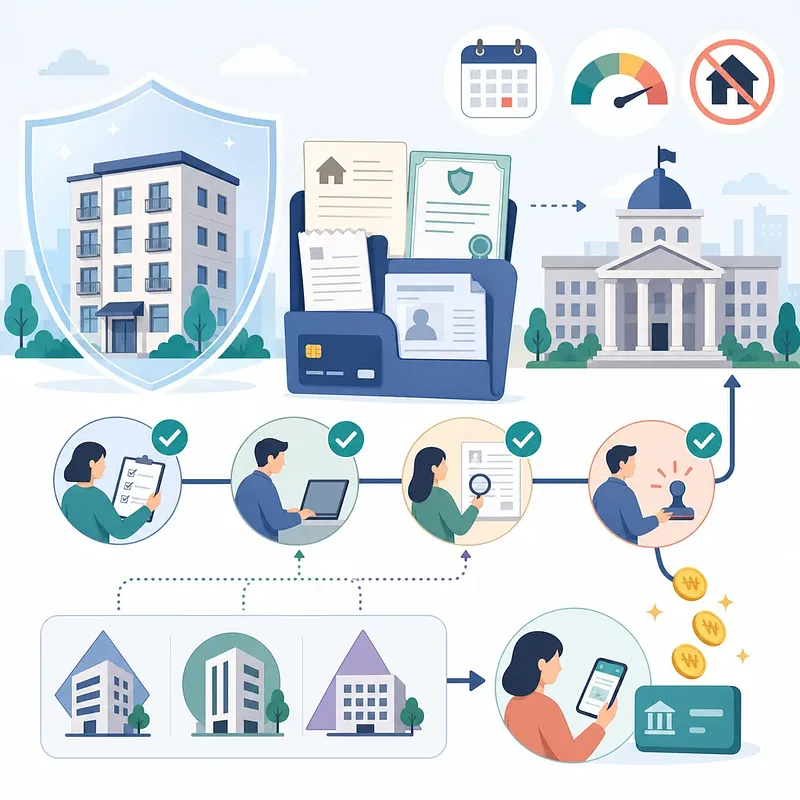

Already paid for a jeonse deposit return guarantee? The 2026 support program may reimburse eligible tenants without a home for up to KRW 400,000. Before applying, confirm that your HUG, HF, or SGI guarantee is valid on the application date. You’ll also need to meet the rental deposit limit of KRW 300 million and the income threshold for your applicant type. Prepare your guarantee certificate, proof of payment, lease agreement, and required income or marriage documents. Application dates, available budget, and submission channels vary by local government, so review the notice for your place of residence. #Jeonse #HousingCosts #HousingLease #DepositGuarantee

Understanding the Structure of the Yen, Won, and Dollar Through the History of Currency Intervention

Why can currency intervention calm a market without changing its long-term direction? Japan resumed selling dollars and buying yen in 2022, correcting claims that a later operation would be the first of its kind in 28 years. But intervention alone rarely overcomes inflation, interest-rate gaps, fiscal conditions, or growth prospects for long. This analysis also explains the Bank of Japan’s policy dilemma, the forces moving the won-dollar rate, and why investors may benefit from phased exchanges and portfolio-level currency risk management. #ExchangeRates #MonetaryPolicy #JapaneseYen #KoreanWon #ForeignExchange
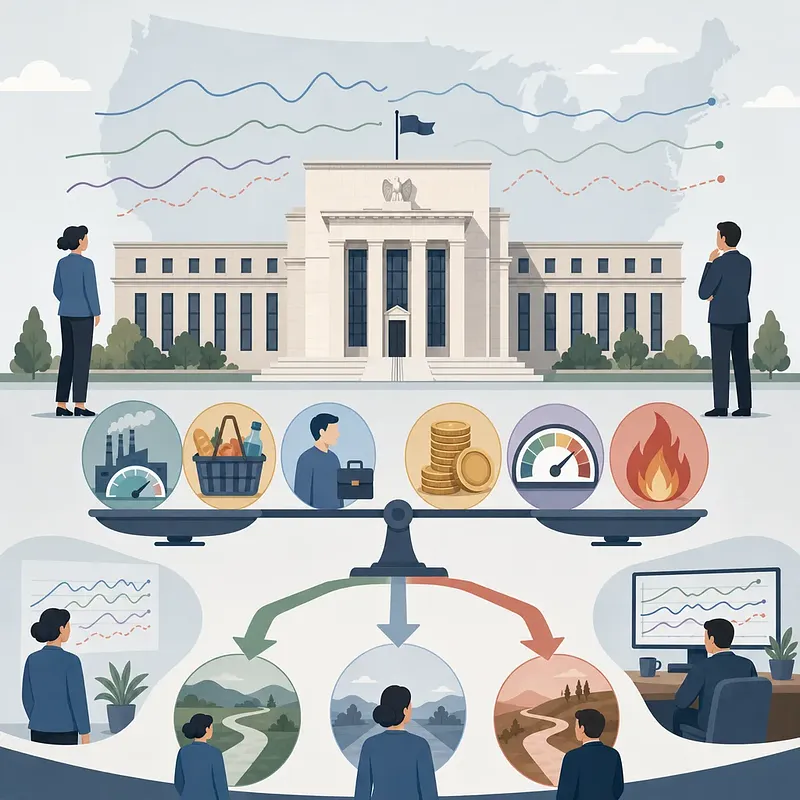
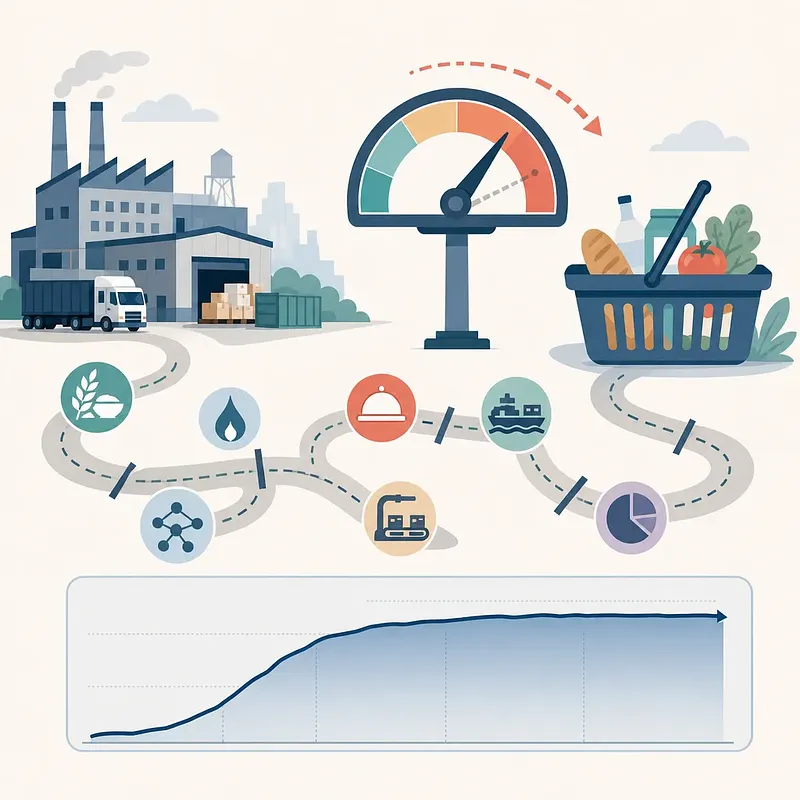
What does July’s U.S. producer inflation report actually tell us? Final-demand PPI rose 4.7% year over year while remaining unchanged at 0.0% month over month. Core PPI increased 4.2% annually and 0.2% monthly. A slower annual increase does not mean prices fell. It also does not guarantee that CPI will follow within a fixed two- or three-month window. Product composition, corporate margins, import prices, and base effects all matter. See why the Fed must weigh employment, PCE inflation, and financial conditions before deciding its next move. #Inflation #Fed #MonetaryPolicy #GlobalEconomy
August 2026 Seoul Apartment Application Schedule and Checklist
A Seoul apartment application requires more than marking a date on the calendar. For August 2026, compare tentative schedules with confirmed resident recruitment notices. Check the dates for special, first-priority, and second-priority supply, then verify residency, household homeownership status, head-of-household rules, and housing subscription account requirements. Before applying through CheongyakHome, build a funding plan for the deposit, interim payments, final payment, options, taxes, and possible loan uncertainty. Save your application details—and correct any error before the deadline. #SeoulHousing #HousingSubscription #Homeownership #HousingMarket #RealEstatePolicy