Social
A short written take on each piece of content: what changed and why it matters. Skim the point first, then follow through to the full article only for what interests you. Every take is drawn from real content, so the link takes you straight to the material it is based on.

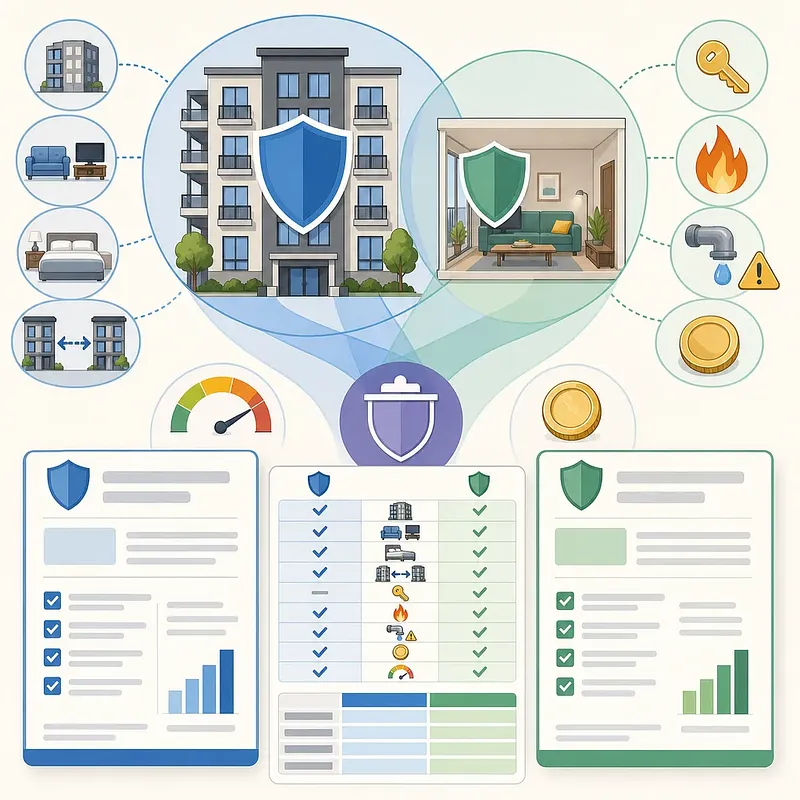
Comparing Coverage Between Apartment Group Fire Insurance and Personal Home Fire Insurance
Owners weigh group fire insurance alone. Its existence does not establish that every household, person or property is fully covered. Contract terms can assign different insured parties, property, limits, deductibles and access to coverage for each unit. A sound comparison starts with the management office’s policy. Check building restoration, household contents, temporary living expenses, tenant liability and damage to neighbors. Then assess whether personal cover is needed only for the remaining gaps. This can help protect household cash flow and make post-loss arrangements more manageable. Premium is only one variable. Compare the insured amount with insurable value, claim settlement standards, exclusions and deductibles. Indemnity-based building, contents and liability cover generally cannot pay more than the actual loss, while ordinary plumbing leaks and downstairs leak liability are not automatically part of basic fire cover. Owners should read this first for restoration and neighbor liability; tenants should focus on contents and tenant liability. Read the article before structuring additional coverage. #FireInsurance #HomeownersInsurance

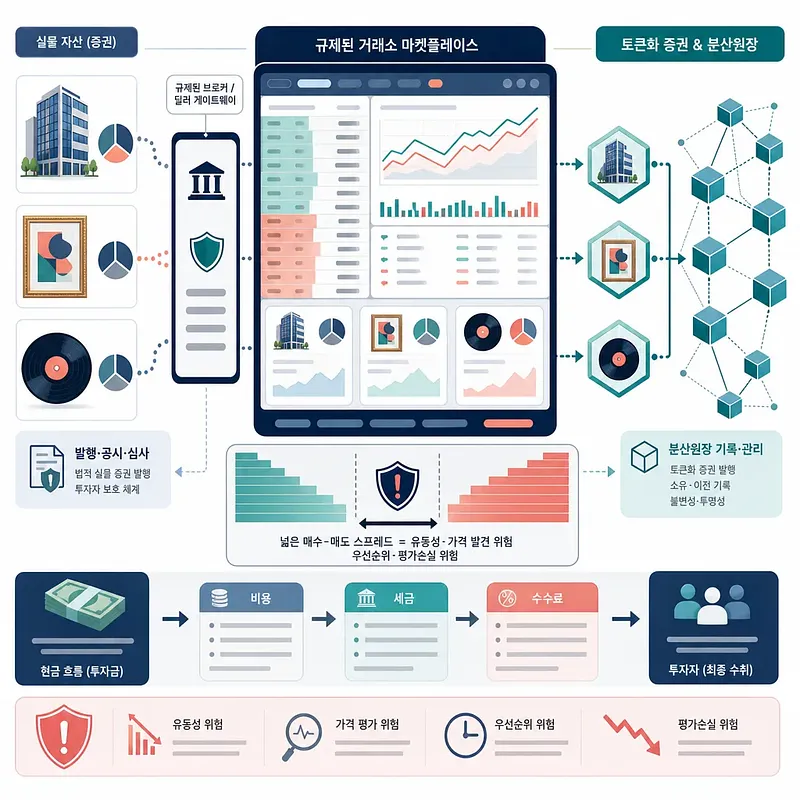
The Korea Exchange plans to open its New Securities Market on November 16, 2026, giving qualifying fractional investment securities an exchange-based trading venue through securities firms. Understanding the terminology matters. The New Securities Market is a trading venue, whereas token securities are an issuance and management method that records securities rights on a distributed ledger. Fractional investors also generally hold securities-based rights to income and disposal proceeds—not direct shared ownership of the underlying artwork or real estate. This overview examines the trading structure, listing requirements, return factors, and risks, including operating costs, taxes, fees, sale terms, and liquidity. Neither listing nor blockchain records guarantee principal, asset value, or immediate resale. #FractionalInvesting #TokenizedSecurities

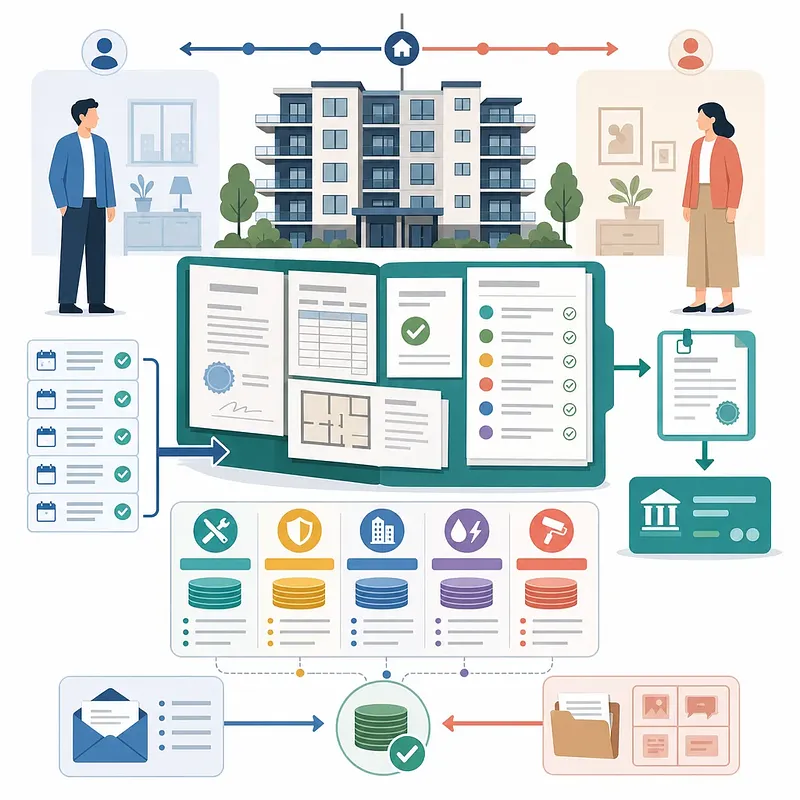
Tenants moving out of multi-family housing should not overlook long-term repair reserve payments included in maintenance fees. Although the owner generally bears this cost, a special lease clause or change in ownership may affect who is responsible for reimbursement. A sound settlement process starts with reviewing maintenance statements and the lease, obtaining a payment certificate and monthly breakdown from the management office, and checking the property registration record. The verified amount should then be requested from the responsible landlord in writing, with records kept separately from the security deposit and other maintenance fee settlements. This article provides a practical checklist, including steps to take if reimbursement is delayed or disputed. #RentalHousing #Lease


How to Apply for 2026 Jeonse Deposit Return Guarantee Fee Support and the 400,000 Won Maximum
The 2026 jeonse deposit return guarantee fee support program may help eligible tenants recover up to 400,000 won of the fee paid for a valid HUG, HF, or SGI guarantee. Eligibility depends on several factors, including not owning a home, having a rental deposit of no more than 300 million won, meeting income rules, and satisfying regional definitions for youth or newlyweds. The article also outlines how the benefit is calculated, which documents to prepare, and where to apply. Because application periods, budgets, and procedures differ by city, county, or district, applicants should review the local notice effective on their application date. #Jeonse #HousingPolicy


Businesses should review their 2026 Resident Tax Business Establishment Portion obligations before the August 31 deadline. Corporations with a business establishment as of July 1, 2026, and sole proprietors meeting the specified revenue threshold may need to file. The calculation combines the applicable basic tax amount with a floor-area tax. If taxable total floor area exceeds 330㎡, KRW 250 per ㎡ applies to the entire area. Accurate records matter: verify each establishment, floor area, capital or prior-year revenue, resident tax, and local education tax. If an advance payment notice does not match the actual information, correct and file it through Witax. #TaxFiling #BusinessTaxes

2027 Hometown Love Donation Tax Credit Reform Plan: Regional Preferences
The proposed 2027 reform of Korea’s Hometown Love Donation Program could make the recipient region an important factor in tax planning. Currently, individuals may donate up to KRW 20 million annually to eligible local governments outside their registered residence. Donations of up to KRW 100,000 are fully credited when national and local income tax effects are combined. Under the proposal, different rates would apply to the portion above KRW 100,000 based on regional classifications. One preferential example sets a 55.0% rate for the portion above KRW 100,000 and up to KRW 200,000, and 27.5% above that amount. These details remain subject to legislation. Donors should also remember that a tax credit does not automatically guarantee a cash refund; actual savings depend on final tax liability. #TaxCredit #HometownLoveDonation