Social
A short written take on each piece of content: what changed and why it matters. Skim the point first, then follow through to the full article only for what interests you. Every take is drawn from real content, so the link takes you straight to the material it is based on.


18:00 is students' scholarship cutoff. On September 16, 2026, required documents and missing household consent must be complete. A successfully received application does not replace these follow-up checks. Applicants need to verify receipt, document requirements, and consent status separately before confirming completion. The article presents a practical sequence: log in to the Korea Student Aid Foundation website or app under the applicant’s own name, confirm the second-semester 2026 application under Application Status, and review Document Submission Status. Submitting only the documents listed there avoids unnecessary paperwork. It also explains how to check each household member’s information-sharing consent and complete items still lacking consent. A final review that every item is marked complete provides a clear stopping point before the deadline. Second-round applicants for the second semester of the 2026 academic year should read the article and use the sequence for their final verification. #NationalScholarship #StudentAid


2026 First-Half EITC: Apply by September 15
EITC filers must choose a channel. Applications are due September 15 for households with only employment income in 2026. Eligibility can be misread because the reference points differ. Income type is checked for 2026, while a couple’s combined income is assessed for 2025 and assets are checked as of June 1, 2025. The article lays out the practical filing sequence: confirm the income and asset requirements, prepare the individual authentication number shown on the application notice, and use a bank account in the applicant’s own name. It then explains the Hometax, Sontax, and ARS procedures so applicants can select an appropriate channel. The guide also covers how the December payment is calculated, how to review the application result and bank account, and what to prepare for the June 2027 settlement. Households considering first-half filing, and professionals assisting them, should read the article before starting the process. #EITC #Hometax

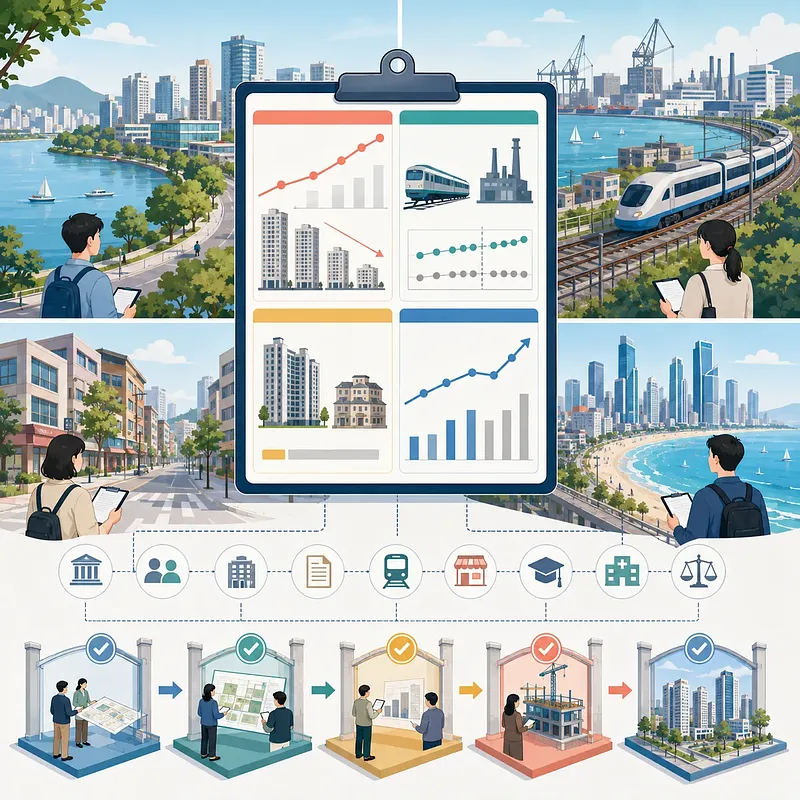
Busan analysts need volume context. The 2026 rebound in consumer sentiment is informative, but it should be assessed alongside actual transaction volume before drawing conclusions about market momentum. The article compares four regional markets through price, supply, transaction, and sentiment indicators. Chuncheon combines a rising price index with declining unsold inventory in June 2026. Donghae’s 3.67 index gap is expressed in points, not as a percentage. Jeonju’s activity is concentrated in new and nearly new properties while move-in supply remains low. It also provides a practical verification framework for summer fieldwork: check actual transaction records, then review each development announcement by project stage and approval status. This helps professionals distinguish observed market data from plans that may still depend on approvals or execution. Professionals evaluating Chuncheon, Donghae, Jeonju, or Busan in summer 2026 should read the regional tour before structuring a site visit. #HousingMarket #SiteVisit

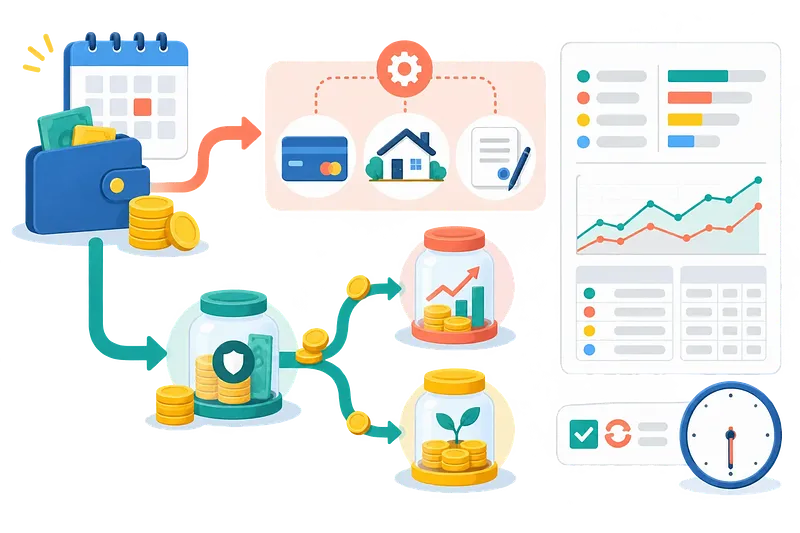
Income earners need a payday system. The routine uses income day as the reference date, then transfers fixed expenses automatically the following day. That creates a repeatable starting point for each pay cycle. A transfer into an investment account is not the final step. The actual products purchased through the ISA and pension savings account should also be confirmed each month. The article explains the role of each of three accounts: a payment account for fixed expenses, a CMA for the remaining reserve funds, and an ISA plus pension savings account for the investment portion. It also lays out the allocation formulas and how to adapt the process under different conditions. For professionals receiving salary or business income, this 30-minute routine can reduce repeated allocation decisions and make monthly cash flow easier to review. Read the article for the complete sequence and account checks. #AssetAllocation #EverydayFinance

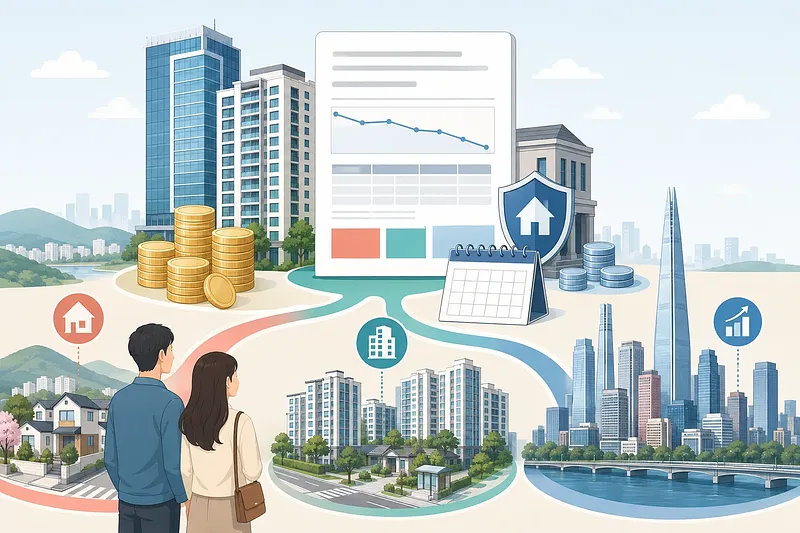
About ₩4.49M frames Samsung loan math. That is the approximate monthly payment on ₩500 million repaid over 10 years at 1.5%, based on the reported terms. The headline rate does not determine purchasing power by itself. If a senior mortgage lien is registered at 110% of the staff loan, the capacity for subordinated bank financing may decrease. The article explains how the reported ₩500 million home-purchase cap and ₩300 million rental-deposit cap affect housing decisions. It also distinguishes the maximum benefit from the amount an employee may realistically support after monthly repayments and any additional financing constraints. The stated condition requires both the employee and their spouse to own no home. Samsung Electronics employees considering a first purchase, rental deposit, or move-up plan should read the analysis and confirm current terms through official employee-benefit guidance. #EmployeeBenefits #HousingFinance

Robert Kiyosaki’s $1.2B Debt Structure and Risks
$1.2B frames Robert Kiyosaki’s debt. The figure is described as mortgages tied to co-invested real estate comprising about 1,500 housing units. It has not been confirmed as debt he must repay entirely on his own, so treating it as a personal liability can distort the analysis. The article separates personal debt from portfolio debt, then examines the operating logic behind the leverage. Rental income and property appreciation must cover borrowing costs for the structure to remain viable. Rising rates, higher vacancies, and falling asset prices can magnify losses and affect an investor’s assessment of downside. It also explains the roles of LLCs and tax effects. An LLC may isolate some risk, but it does not guarantee loan repayment or investment returns—a useful distinction when reviewing leveraged real estate claims. Professionals evaluating co-invested property structures or public debt disclosures can use this analysis to identify the right questions before drawing conclusions. Read the article for the full breakdown. #RealEstate #Investment