Social
A short written take on each piece of content: what changed and why it matters. Skim the point first, then follow through to the full article only for what interests you. Every take is drawn from real content, so the link takes you straight to the material it is based on.

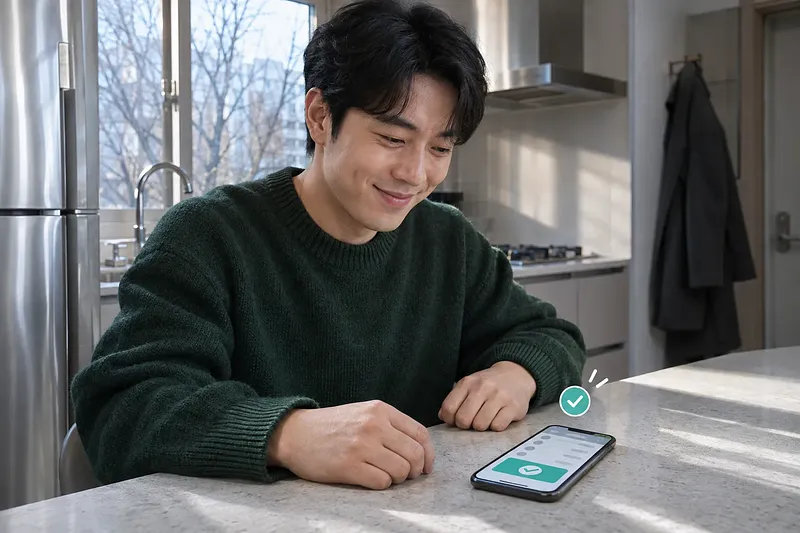
Applicants open Youth Future Savings. Account opening is in a participating institution's app after final eligibility confirmation. For South Korea's second-round applicants, opening is available on weekdays from November 16 to 27, 2026. The Korea Inclusive Finance Agency's Alimtalk or text message specifies the enrollment type and any additional actions, helping applicants prepare the right next step. Linked Youth Leap Account enrollment has a required sequence: open the new account, then complete special early closure of the existing account before making deposits. Account opening alone does not make deposits available. Once deposits are allowed, the next steps are the first deposit and a transaction-history check. Confirmed second-round applicants can use the article as a step-by-step reference. Before opening, consider checking the enrollment type and additional actions in the eligibility notification against that sequence.

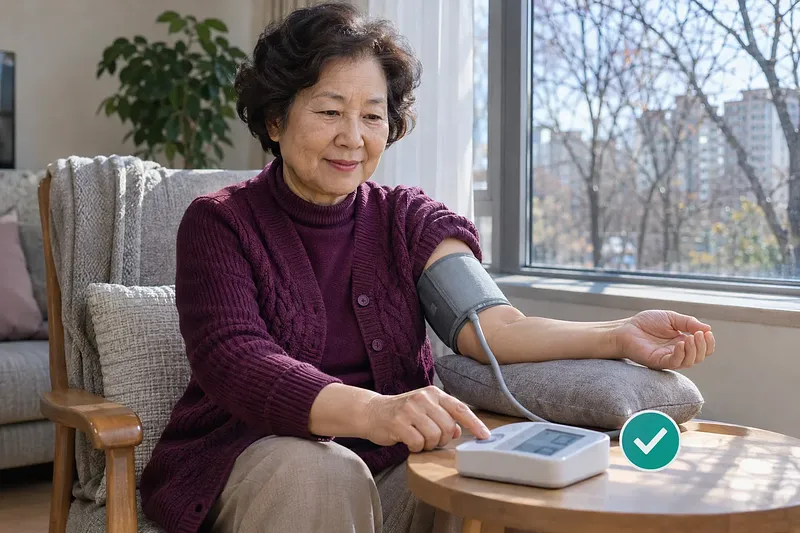
Management applicants need a care plan. Hypertension or diabetes and enrollment in the Primary Care Chronic Disease Management Program are also required. The Healthy Lifestyle Incentive Program has two tracks. Prevention eligibility depends on health screening results, age and the address on resident registration. Its cap is 120,000 points over 2 years; the management cap is 80,000 points over 1 year. Points are earned through health management activities. Accumulated points can help pay for purchases at designated online stores. Management participants can also use them for medical care at participating clinics, so the track affects where earned points can reduce spending. The article explains both tracks for prospective participants comparing eligibility and practical use. Check eligibility on the National Health Insurance Service website or in the Health Insurance 25 Hours app before applying.

Savers weigh a proposed income cap. The October 2026 Dream Account plan would raise the annual income cap to KRW 70 million. The Ministry of Land, Infrastructure and Transport announced the plan. Whether revised opening rules are in force still needs confirmation; the announcement alone does not establish that. The article separates account access from the maximum annual interest rate of 4.5%, which depends on the holding period and time without homeownership. Tax deductions and tax-free interest have separate requirements, so opening eligibility is not enough to assume either benefit. For prospective account holders considering a linked loan, screening also covers a successful housing subscription application, income, assets and other factors. The article can help distinguish these conditions before current terms are confirmed with the account provider.


Saving 100 Million Won: Timeline and When to Invest
Savers assess debt before investing. High-interest debt, emergency savings and when money is needed matter more than a target balance. Saving 500,000 won every month without interruption reaches 100 million won in 200 months, or 16 years and 8 months, excluding interest. That calculation gives a savings timeline, not an investment start date. Compounding happens when returns are reinvested. There is no special threshold at 100 million won that switches it on. Planned spending, such as travel, also needs a different saving plan from money intended for long-term assets. For savers weighing when to invest, the article offers a framework for separating those purposes and reviewing what needs attention first. Read it to put the target balance in context before deciding when to begin.

Firms weigh China's slow-growth risk. Property losses and debt could restrain spending, but Japanification is not a certain future. Debt repayment after asset losses can take priority over consumption and investment. This is the balance sheet recession mechanism, which helps explain how a property correction can weaken demand. China's consumer prices rose 0.9% in January to September 2026 compared with the same period a year earlier. Differences in financial structure also limit the comparison with Japan. For Korean export planners, weaker Chinese import demand and overseas price competition are possible channels of impact. The full analysis offers a basis for weighing those risks without assuming a repeat of Japan's experience.

Japan Fire Prevention Campaign 2026 Dates and Alarm Checks
Residents check alarm locations. A successful test does not establish that an alarm is installed where the local ordinance requires. Japan's 2026 autumn National Fire Prevention Campaign runs from November 9 to 15. For home fire alarms, testing at least twice a year with the test button or pull cord helps confirm that a warning can sound. Placement requires a separate check against the ordinance. Replacing the entire unit is recommended about 10 years after installation. This year's campaign priorities are preventing residential fires, earthquake-related fires and forest fires. The article covers testing methods, replacement guidance and placement checks for residents checking home fire alarms in Japan. Read it with the alarm's installation date in mind.