 OnBinder
Social
A short written take on each piece of content: what changed and why it matters. Skim the point first, then follow through to the full article only for what interests you. Every take is drawn from real content, so the link takes you straight to the material it is based on.

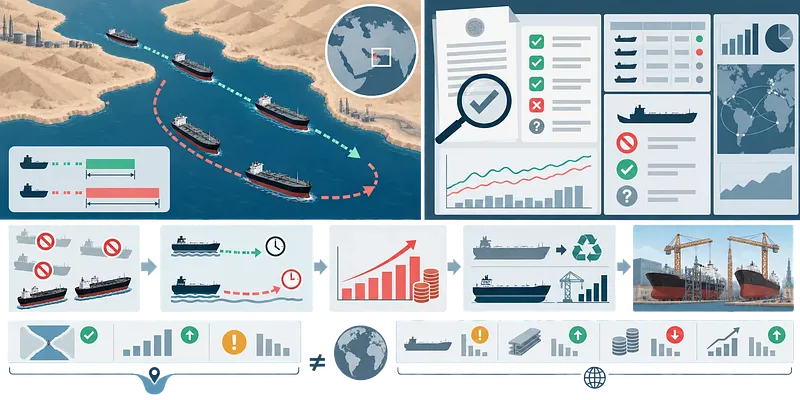
Hormuz shipbuilding gains are unproven. The counter-blockade claim first requires confirmation in original US government documents. Even then, longer routes do not automatically translate into new tanker orders. A 20-day shipment route extending to 30 days increases the vessel-days required for that shipment by 50%. That is a utilization calculation, not evidence that the global tanker fleet must expand by 50%. The assessment also needs a more precise view of the shadow fleet: not every vessel in it is illegal or unregistered. Any shipbuilding thesis should test freight rates, vessel scrapping, order volumes, ship prices, and profitability separately. This helps distinguish higher fleet utilization from durable demand for newbuilds. Professionals evaluating tanker markets, oil logistics, or shipbuilding exposure should read the article for a verification-first framework before treating the reported counter-blockade as an order catalyst. #Shipbuilding #StraitofHormuz #OilMarkets

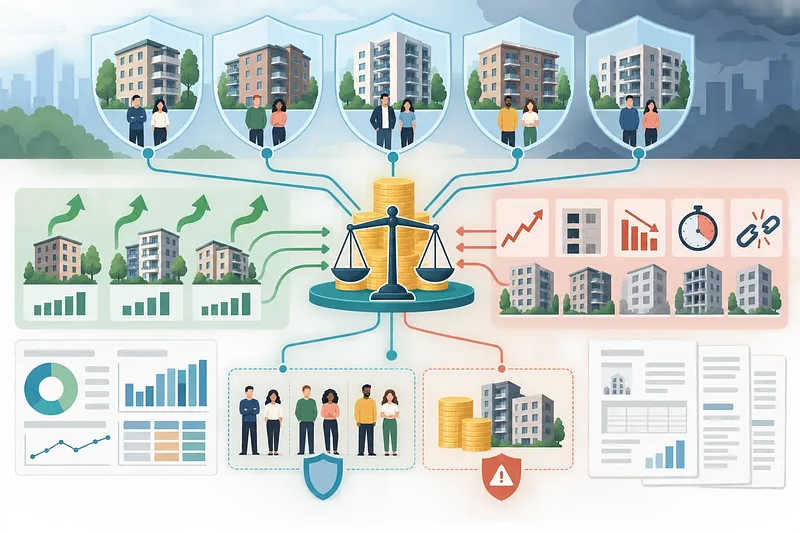
$1.2B frames Robert Kiyosaki’s debt. The figure is described as mortgages tied to co-invested real estate comprising about 1,500 housing units. It has not been confirmed as debt he must repay entirely on his own, so treating it as a personal liability can distort the analysis. The article separates personal debt from portfolio debt, then examines the operating logic behind the leverage. Rental income and property appreciation must cover borrowing costs for the structure to remain viable. Rising rates, higher vacancies, and falling asset prices can magnify losses and affect an investor’s assessment of downside. It also explains the roles of LLCs and tax effects. An LLC may isolate some risk, but it does not guarantee loan repayment or investment returns—a useful distinction when reviewing leveraged real estate claims. Professionals evaluating co-invested property structures or public debt disclosures can use this analysis to identify the right questions before drawing conclusions. Read the article for the full breakdown. #RealEstate #Investment

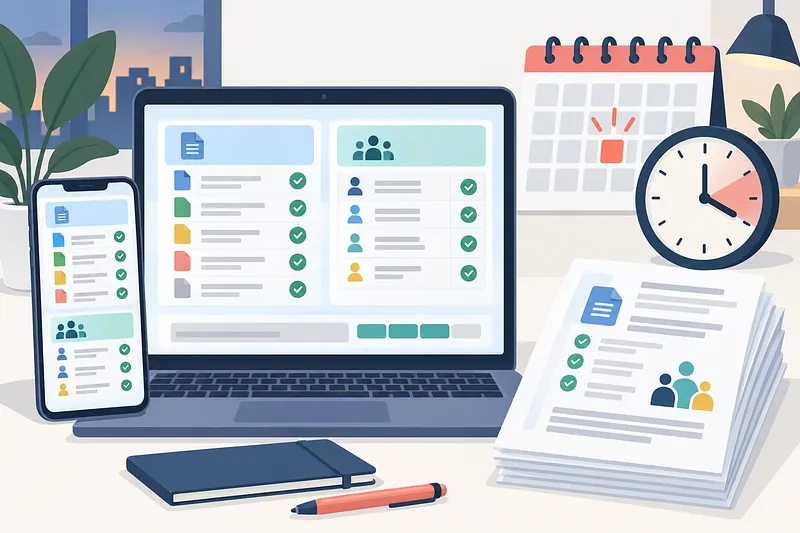
18:00 is students' scholarship cutoff. On September 16, 2026, required documents and missing household consent must be complete. A successfully received application does not replace these follow-up checks. Applicants need to verify receipt, document requirements, and consent status separately before confirming completion. The article presents a practical sequence: log in to the Korea Student Aid Foundation website or app under the applicant’s own name, confirm the second-semester 2026 application under Application Status, and review Document Submission Status. Submitting only the documents listed there avoids unnecessary paperwork. It also explains how to check each household member’s information-sharing consent and complete items still lacking consent. A final review that every item is marked complete provides a clear stopping point before the deadline. Second-round applicants for the second semester of the 2026 academic year should read the article and use the sequence for their final verification. #NationalScholarship #StudentAid


2026 First-Half EITC: Apply by September 15
EITC filers must choose a channel. Applications are due September 15 for households with only employment income in 2026. Eligibility can be misread because the reference points differ. Income type is checked for 2026, while a couple’s combined income is assessed for 2025 and assets are checked as of June 1, 2025. The article lays out the practical filing sequence: confirm the income and asset requirements, prepare the individual authentication number shown on the application notice, and use a bank account in the applicant’s own name. It then explains the Hometax, Sontax, and ARS procedures so applicants can select an appropriate channel. The guide also covers how the December payment is calculated, how to review the application result and bank account, and what to prepare for the June 2027 settlement. Households considering first-half filing, and professionals assisting them, should read the article before starting the process. #EITC #Hometax

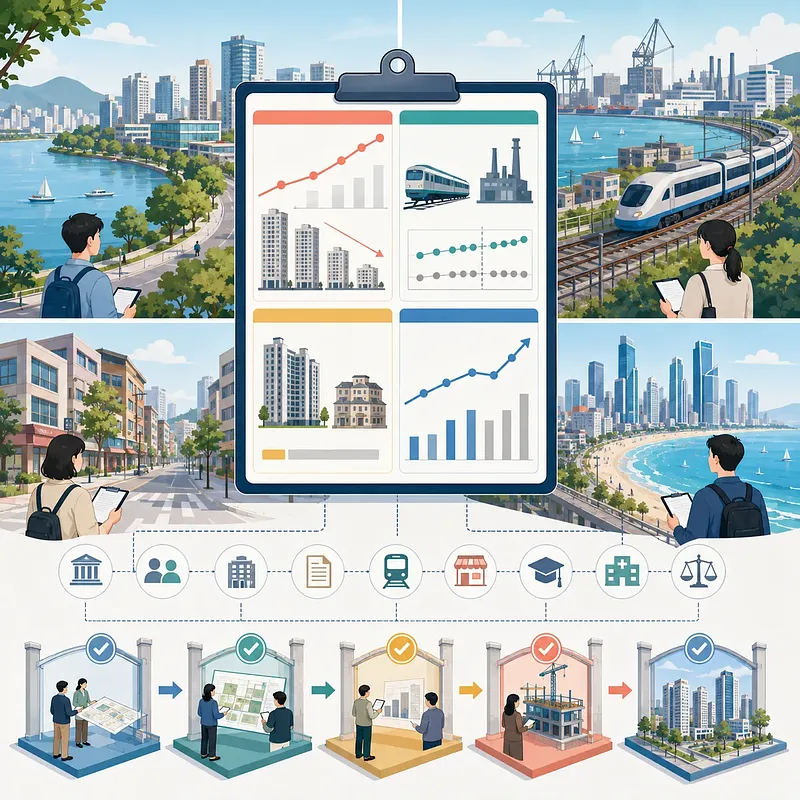
Busan analysts need volume context. The 2026 rebound in consumer sentiment is informative, but it should be assessed alongside actual transaction volume before drawing conclusions about market momentum. The article compares four regional markets through price, supply, transaction, and sentiment indicators. Chuncheon combines a rising price index with declining unsold inventory in June 2026. Donghae’s 3.67 index gap is expressed in points, not as a percentage. Jeonju’s activity is concentrated in new and nearly new properties while move-in supply remains low. It also provides a practical verification framework for summer fieldwork: check actual transaction records, then review each development announcement by project stage and approval status. This helps professionals distinguish observed market data from plans that may still depend on approvals or execution. Professionals evaluating Chuncheon, Donghae, Jeonju, or Busan in summer 2026 should read the regional tour before structuring a site visit. #HousingMarket #SiteVisit

Earned Income Tax Credit: Apply by September 15
December 17 may be EITC filers' payday. Payment is scheduled for December 17, following the September 15, 2026 application deadline. Eligible households can use these dates to plan when to apply and check payment results. The eligibility check involves different periods: confirm that both spouses have only earned income in 2026, then assess household type against the 2025 income and asset requirements. Checking these before applying helps applicants prepare the relevant information. The article explains applications through Hometax, a QR code or ARS, the credentials and payment account details to prepare, and how to monitor review status. It also covers June 2027 reconciliation so applicants can understand the later stage of the process. Households with only earned income in the first half of 2026 should read the guide to verify eligibility and prepare their semiannual application by September 15.