 OnBinder
Social
A short written take on each piece of content: what changed and why it matters. Skim the point first, then follow through to the full article only for what interests you. Every take is drawn from real content, so the link takes you straight to the material it is based on.


Fire insurance aid can cut firm costs. Eligible Chungnam small businesses can receive 80% of the coverage premium, up to 240,000 won per year. The cap is not a flat payment. Business owners should check the coverage premium and confirm that their fire insurance remains active in 2026. The official notice also sets restrictions on duplicate support and excluded insurance policies. The article explains the location check, documents such as the insurance policy and proof of premium payment, and application routes through Small Business 24 or the city or county where the business is located. These steps help owners prepare an application and assess potential premium savings. Small businesses in the 8 participating Chungnam cities or counties should read the article and check the official notice before applying by September 30, 2026.

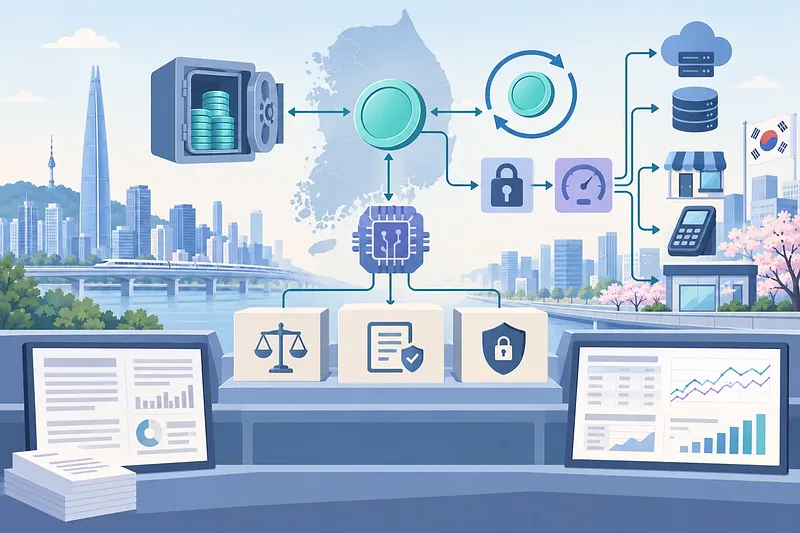
AI agent teams need spending limits. Key management is also a prerequisite for autonomy in the article's assessment of a possible Korean crypto rebound. High trading volume does not establish that development, payment and custody businesses will grow together. That distinction matters when assessing whether market activity can support broader industry growth. The article separates the regulatory, liability, security and payment-demand conditions behind the rebound argument. It explains why won stablecoins need redemption rights and reserve structures, and why issuing won-denominated tokens alone does not establish an exchange-rate defense effect. For teams evaluating won stablecoins or autonomous AI agents, these distinctions help frame decisions around actual payment demand and responsibility. Read the article to assess the conditions behind the possibility.


Base Rate Hikes: When and How Loan Rates Change
Fixed loan borrowers weigh maturity. Fully fixed rates generally do not reflect market rate changes until the agreed maturity date. A base rate hike therefore does not establish when an existing borrower's rate will change. Treating the announcement as an immediate adjustment can give borrowers the wrong timeline for repayment planning. The article explains the calculation: benchmark rate plus spread, minus preferential discounts. Variable loans follow contractual 3-, 6-, or 12-month reset cycles; hybrid loans depend on the benchmark in effect after their fixed period ends. These distinctions help borrowers identify which date and terms matter to their budget. Borrowers reviewing an existing loan should start with the contractual benchmark and preferential terms when investigating a rate change. Read the article for how these factors fit together.


2026 National Health Insurance Refund Lookup & Claim
Representatives need refund documents. For National Health Insurance Service claims, representatives and heirs must prepare the supporting documents the Service requires. The article distinguishes premium overpayments, copayment refunds and amounts exceeding the out-of-pocket maximum. Checking the type and eligible recipient for each unpaid item helps clarify which application requirements apply. It also explains how to log in, review unpaid refunds, enter an account in the applicant's own name and provide the required application information. A defined sequence makes the administrative task easier to navigate, including checking the result and the specific statute of limitations expiration date. Applicants, representatives and heirs handling these refunds can read the full article to prepare for their next step.


Energy Voucher 2026 Application: Up to 701,300 Won
Energy Voucher applicants must qualify. Both Basic Livelihood Security benefit eligibility and household member criteria must be met. Receiving livelihood, medical, housing, or education benefits is only one part of the eligibility check. Reviewing both requirements helps households assess whether to prepare an application. The article explains annual support of 295,200 won to 701,300 won, based on the number of household members on the resident registration record. It also covers identification and a recent energy bill, helping applicants prepare the required documents before applying through Bokjiro or an Administrative Welfare Center. For households assessing eligibility, the guide also explains automatic bill deductions, the Kookmin Happiness Card, and official balance checks. These details can help households plan energy payments and track remaining support. Read the article before the December 31, 2026 application deadline.

First Meeting Voucher Application: KRW 2M or 3M
Working parents weigh a KRW 2M voucher. As a rule, the First Meeting Voucher provides KRW 2 million for a first child to help with newborn costs. For a second or subsequent child, the amount is KRW 3 million, provided as a National Happiness Card voucher. Confirming the applicable amount helps parents plan for the support available. The article explains the prerequisites: a registered birth and an issued resident registration number. It also covers the applicant’s ID, additional documents for proxy applications, and applying through Bokjiro, Government24 Happy Birth, or an administrative welfare center. Parents of children born in or after 2024 should read the application steps before two years have passed since the child’s birth. After payment, check the card’s expiration date and balance to plan its use.