 OnBinder
Social
A short written take on each piece of content: what changed and why it matters. Skim the point first, then follow through to the full article only for what interests you. Every take is drawn from real content, so the link takes you straight to the material it is based on.

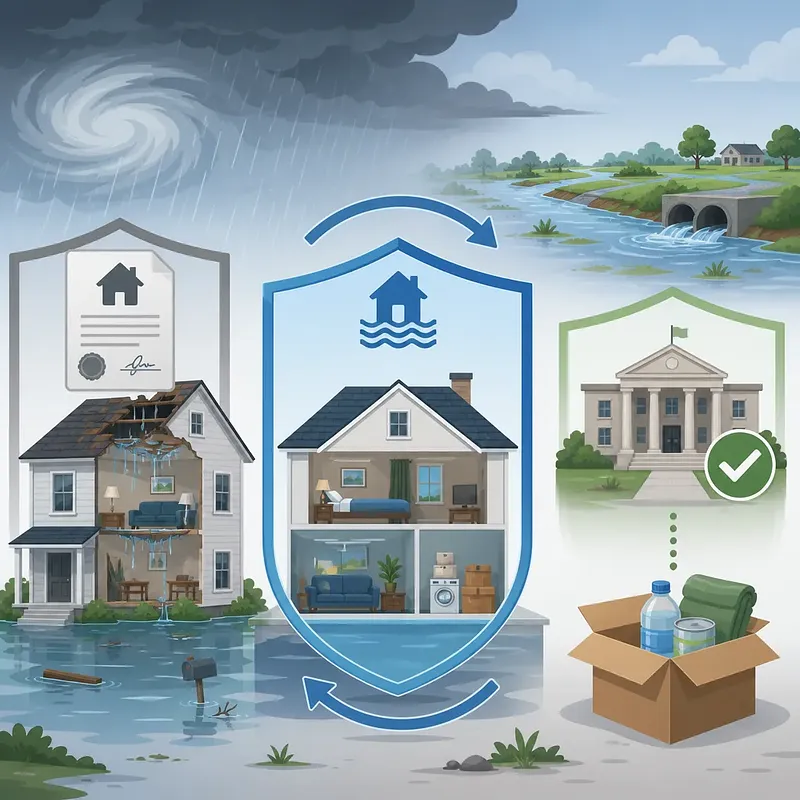
U.S. Flood Insurance Review Guide Before the Peak of the 2026 Atlantic Hurricane Season
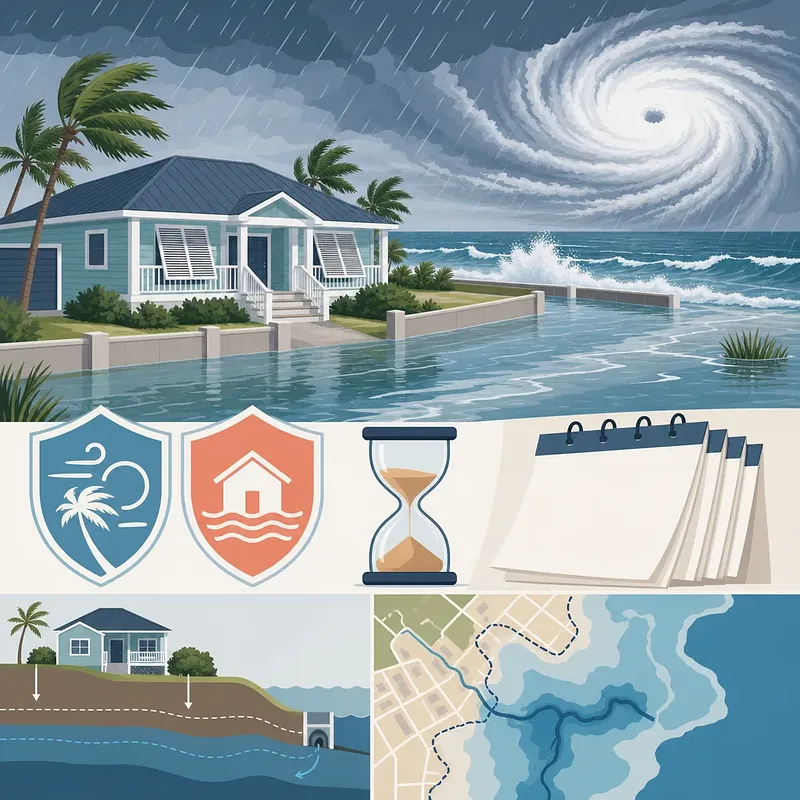
Ahead of concentrated Atlantic hurricane activity, homeowners should understand the differences among homeowners insurance, NFIP flood coverage, and FEMA disaster assistance. Standard homeowners policies generally exclude flooding caused by surface water. New NFIP policies are typically subject to a 30-day waiting period, with limited exceptions. Properties outside Special Flood Hazard Areas may still face exposure based on rainfall, drainage, storm surge, terrain, and flooding history. The guide also explains why NOAA seasonal outlooks do not predict individual property losses and why FEMA assistance—when a presidential disaster declaration and eligibility allow it—is not a replacement for insurance. Reviewing these distinctions early can help households make more informed coverage decisions. #FloodInsurance #NFIP #RiskManagement

The 2026 federal student loan overhaul could significantly affect how families and graduate students finance higher education. For academic periods beginning on or after July 1, new Grad PLUS loans will generally be eliminated. Graduate borrowing will be capped at $20,500 annually and $100,000 cumulatively, with higher limits for certain professional programs. Parent PLUS will be limited to $20,000 annually and $65,000 cumulatively per student. This guide explains the limits, the new income-based RAP repayment plan, standard repayment terms, Pell Grant eligibility changes, and transition rules. It also outlines steps borrowers can take when federal limits leave a tuition gap, including requesting a financial aid review. #StudentLoans #FinancialAid


Leveraged ETFs can behave very differently from what their 2x or 3x labels may suggest. These products generally target a multiple of daily returns, not a simple multiple of an underlying asset’s cumulative return over an extended holding period. That distinction matters because daily resetting changes the balance on which each subsequent gain or loss is calculated. In volatile or sideways markets, this compounding can produce volatility drag and substantial drawdowns—even when the underlying asset eventually returns to its starting level. Actual results may also be reduced by management fees, financing and derivatives costs, bid-ask spreads, and tracking error. The article explains what investors should verify in the prospectus, including the daily objective, rebalancing process, maximum-loss scenarios, and early termination terms. #LeveragedETF #InvestmentRisk


Preventive health screenings performed while a person is asymptomatic are generally excluded from indemnity medical insurance coverage. However, additional procedures prompted by an abnormal result—such as a biopsy, polypectomy, diagnostic test, or treatment—may be eligible after review. This distinction matters because insurers often cover only the treatment-related portion, not the original checkup cost. Documentation is also critical: a credit card receipt alone may be insufficient, so claimants should retain itemized medical statements, treatment confirmations, and procedure records. Eligibility ultimately depends on the medical record, enrollment date, expenses incurred, and individual policy terms. Fixed-benefit surgical coverage for polyp removal is assessed separately from indemnity benefits. Read more : https://injoys.com/en/articles/health-screening-indemnity-insurance-claim-guide #InsuranceClaims #HealthScreening


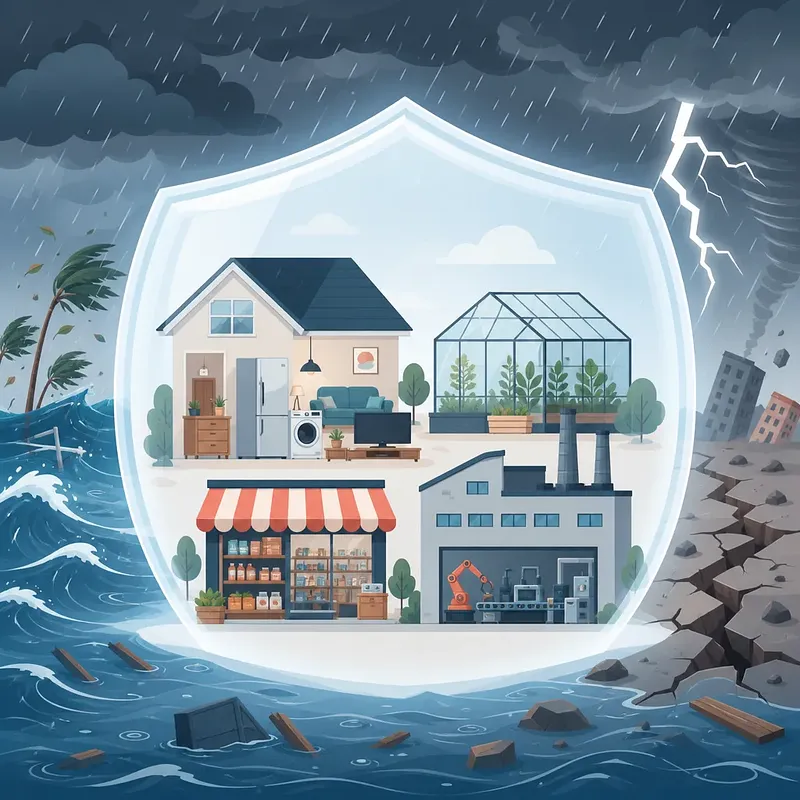
For households and small businesses, disaster preparedness includes understanding insurance before severe weather arrives. Korea’s government-backed Storm, Flood, and Earthquake Disaster Insurance can cover homes, tenant-owned household belongings, greenhouses, shops, and factories. In 2026, annual coverage limits for eligible small businesses increased to a maximum of KRW 150 million for shops and KRW 200 million for factories. Standard home premium subsidies begin at 55%, with higher rates for qualifying low-income and disaster-vulnerable households. The article also explains fixed-benefit versus indemnity coverage and why the policy effective date matters: damage that has already occurred cannot be covered by a new policy. Read more : https://injoys.com/en/articles/2026-korea-storm-flood-earthquake-insurance-guide #DisasterInsurance #RiskManagement
U.S. 2026–27 FAFSA Delay Response Guide: 5 Steps Before Tuition Is Due
Submitting the 2026–27 FAFSA is only the first step in securing college funding. A school must receive the record, complete its review, issue an aid offer, process any accepted loans, and disburse the funds—each on its own timeline. Students and families facing a tuition deadline should confirm whether additional documents are required and whether entrance counseling or a promissory note remains incomplete. If aid will arrive late, compare payment-deferral and installment-plan fees, late charges, and course-cancellation protections. Obtain the terms and expected disbursement date in writing, and retain records of calls, emails, portal screens, and submissions. This guide organizes those tasks into five practical steps. #FAFSA #FinancialAid