 OnBinder
Social
A short written take on each piece of content: what changed and why it matters. Skim the point first, then follow through to the full article only for what interests you. Every take is drawn from real content, so the link takes you straight to the material it is based on.

The 2026 federal student loan overhaul could significantly affect how families and graduate students finance higher education. For academic periods beginning on or after July 1, new Grad PLUS loans will generally be eliminated. Graduate borrowing will be capped at $20,500 annually and $100,000 cumulatively, with higher limits for certain professional programs. Parent PLUS will be limited to $20,000 annually and $65,000 cumulatively per student. This guide explains the limits, the new income-based RAP repayment plan, standard repayment terms, Pell Grant eligibility changes, and transition rules. It also outlines steps borrowers can take when federal limits leave a tuition gap, including requesting a financial aid review. #StudentLoans #FinancialAid


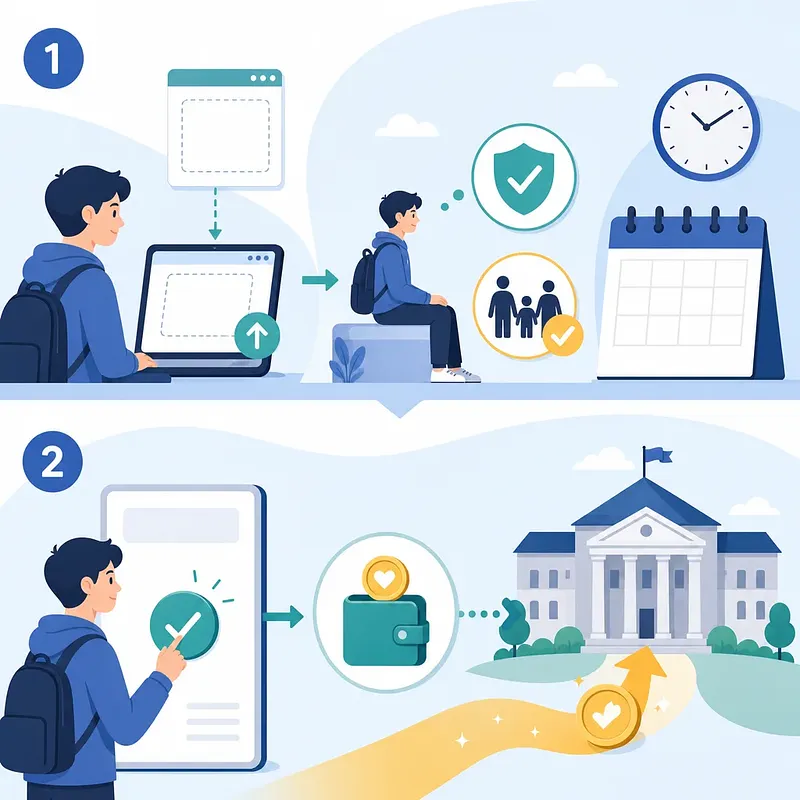
For students financing the 2026 fall semester in Korea, submitting a loan application is not the final step. Applications opened July 1, but borrowers must pass screening and then separately complete loan disbursement during their university’s registration period. The annual interest rate is 1.7%. Standard repayment loans use a fixed rate, while income-contingent repayment loans use a variable rate. Living-expense borrowing is limited to KRW 2 million per semester, and tuition loans are available up to the amount set by the university. Understanding the timeline matters: delayed household information consent or late academic and tuition data from a university may slow screening or disbursement. The article explains the process and key differences between repayment options. Read more : https://injoys.com/en/articles/2026-second-semester-korea-student-loan-application-guide #StudentFinance #StudentLoans
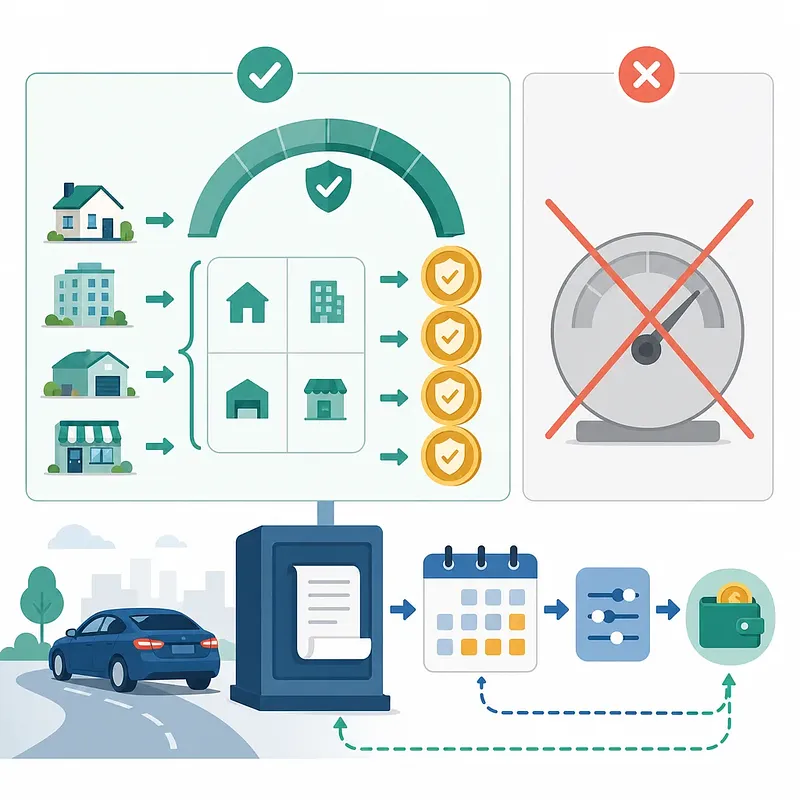
Fact-Checking the ‘Abolition of the Property Grading System’ for Self-Employed Health Insurance and the Current Calculation Structure
Claims that Korea abolished the property premium grading system for self-employed health insurance subscribers can create confusion about how premiums are currently assessed. The February 2024 reforms increased the basic property deduction from KRW 50 million to KRW 100 million and eliminated vehicle-based premiums. They did not, however, fully replace property premium calculations with a single flat percentage. A points table based on property value remains part of the structure. This distinction matters when estimating premium changes. Income, property tax base, deductions, household composition, and any approved adjustment or reconciliation must be considered together. The article provides a practical fact-check of the current rules. Read more : https://injoys.com/en/articles/regional-health-insurance-property-grade-system-fact-check #HealthInsurance #SelfEmployed

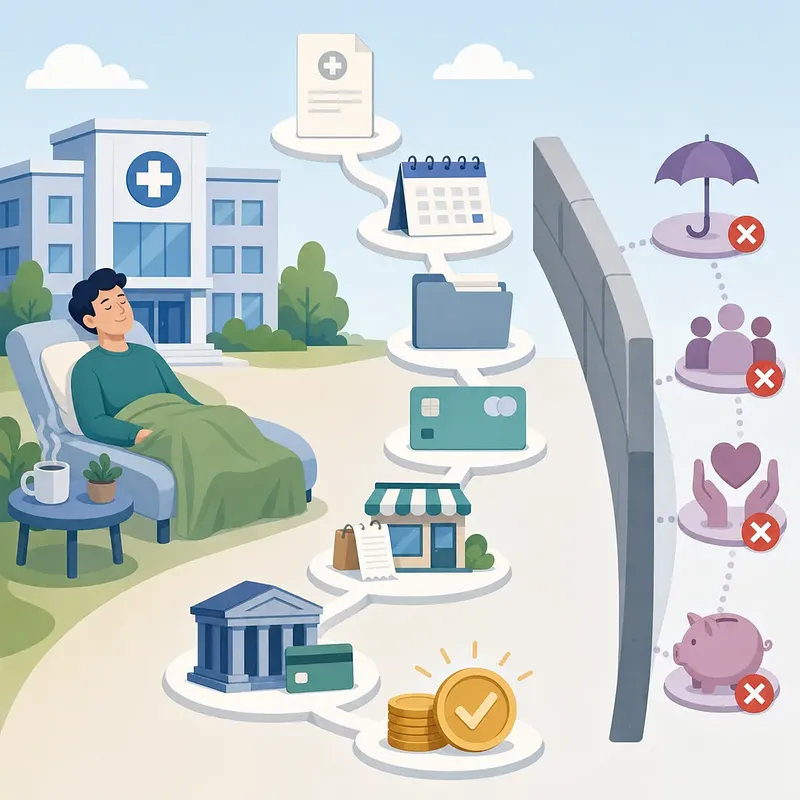
2026 Sickness Benefit Eligibility: Income Requirements, Payments, and Required Documents by Pilot Area
The 2026 Sickness Benefit can provide income support when an employed person cannot work because of a non-work-related illness or injury, but eligibility and payment rules differ by pilot area. Stage 2 applies in Anyang, Yongin, Dalseo-gu in Daegu, and Iksan. Applicants face income and property requirements, including household income at or below 120% of the median income, and the daily payment is 49,540 won. Stage 3 applies in Chungju, Hongseong, Jeonju, and Wonju, with no separate household income or property limits. Workplace health insurance employees may receive 60% of their average wage, within a daily range of 49,540 to 68,100 won. The article also outlines required medical and employment documents, plus restrictions involving overlapping benefits. Read more : https://injoys.com/en/articles/2026-korea-sickness-benefit-application-guide #SicknessBenefit #IncomeSecurity
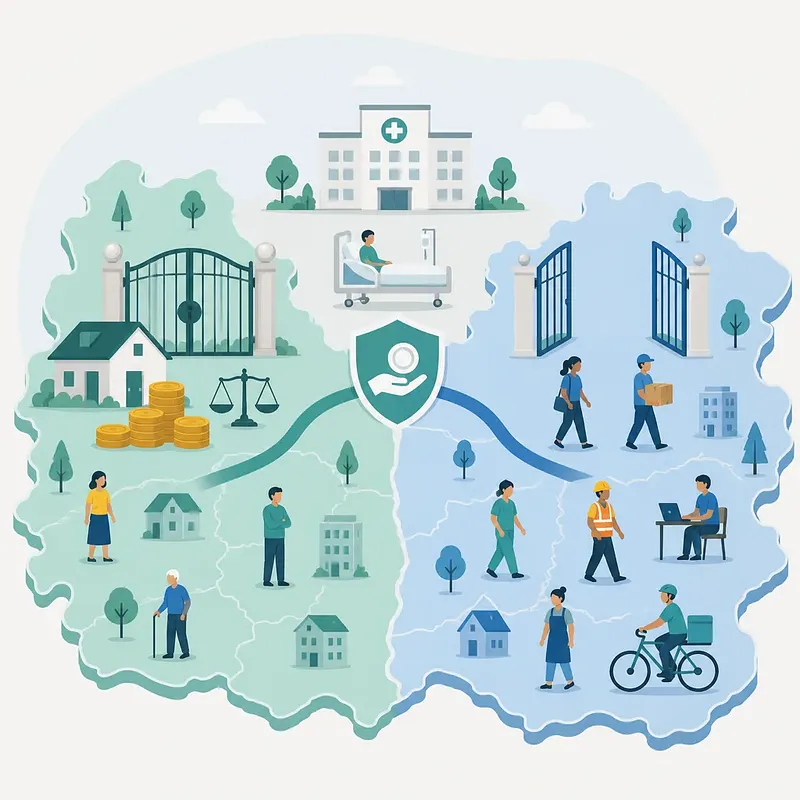
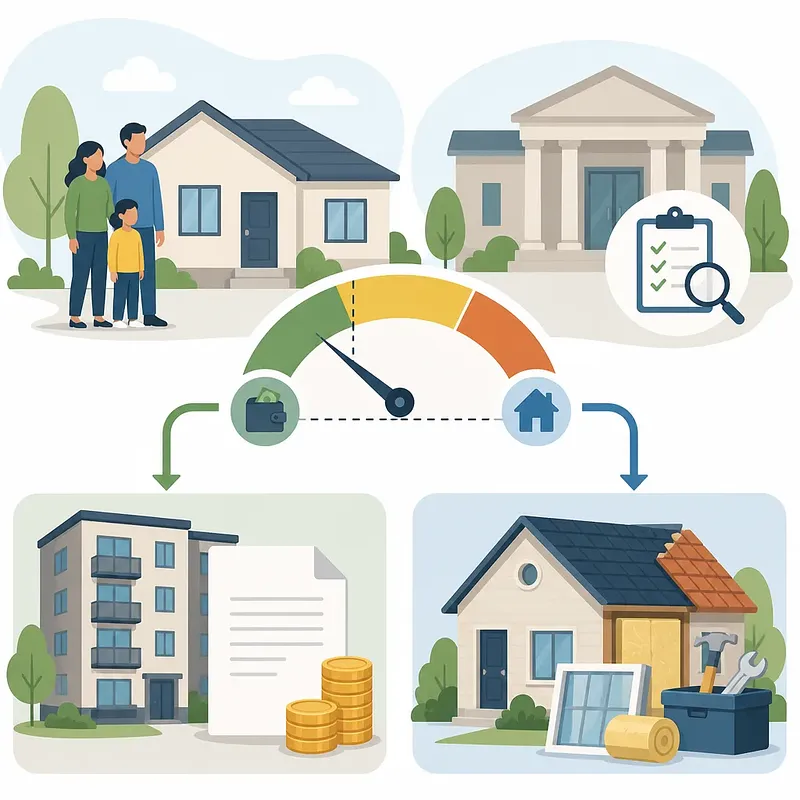
Understanding the 2026 Housing Benefit rules can help eligible households plan for rental expenses or necessary home repairs. Eligibility is based on recognized income at or below 48% of the standard median income. The monthly threshold is KRW 1,230,834 for a one-person household and KRW 3,117,474 for a four-person household. Rental benefits use the lower of standard rent and actual rent, with a possible household contribution depending on income. Eligible owner-occupiers receive inspection-based minor, medium, or major repairs instead of cash assistance. Applications can be submitted year-round through Bokjiro or the Administrative Welfare Center serving the applicant’s registered address. Read more : https://injoys.com/en/articles/2026-korea-housing-benefit-eligibility-application #HousingBenefit #Bokjiro

Year-End Tax Settlement Correction Claims: 5-Year Deadline and Refund Application Process
Overpaid income tax can result from something as simple as missing an eligible deduction during year-end tax settlement. A claim for correction provides a process for requesting a tax reduction and refund, but timing matters. This article explains how the five-year filing period may begin on different dates depending on whether the taxpayer completed only a wage-income year-end settlement or also submitted a comprehensive income tax return. For example, a correction claim for a 2021 comprehensive income tax return can generally be filed through May 31, 2027. It also outlines the eligibility and documentation checks for rent, medical expenses, and donations—and clarifies when an amended return may be required instead. #IncomeTax #TaxRefund #YearEndTaxSettlement