Social & Videos
Short social takes on our content and our shorts, long-form and product videos, all in one stream with the newest first. Swipe through one at a time and follow through to the full article when you want more.


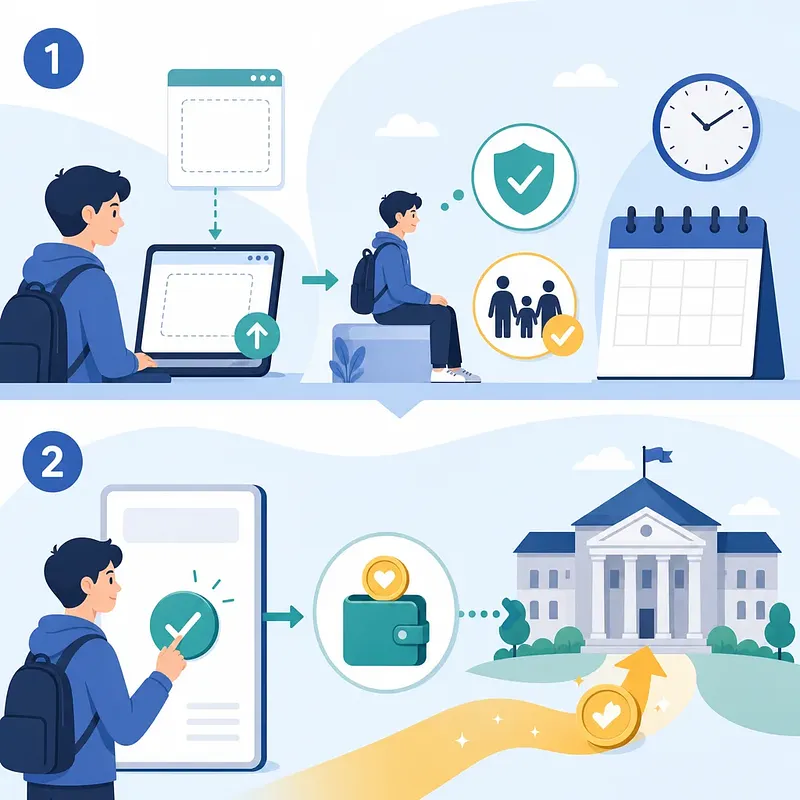
For students financing the 2026 fall semester in Korea, submitting a loan application is not the final step. Applications opened July 1, but borrowers must pass screening and then separately complete loan disbursement during their university’s registration period. The annual interest rate is 1.7%. Standard repayment loans use a fixed rate, while income-contingent repayment loans use a variable rate. Living-expense borrowing is limited to KRW 2 million per semester, and tuition loans are available up to the amount set by the university. Understanding the timeline matters: delayed household information consent or late academic and tuition data from a university may slow screening or disbursement. The article explains the process and key differences between repayment options. Read more : https://injoys.com/en/articles/2026-second-semester-korea-student-loan-application-guide #StudentFinance #StudentLoans
Fact-Checking the ‘Abolition of the Property Grading System’ for Self-Employed Health Insurance and the Current Calculation Structure
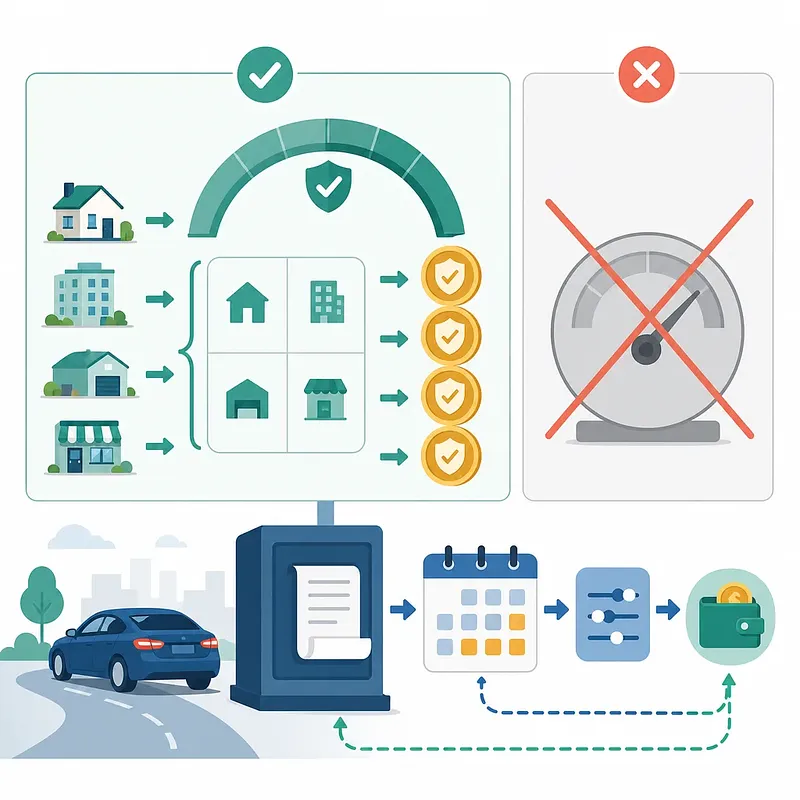
Claims that Korea abolished the property premium grading system for self-employed health insurance subscribers can create confusion about how premiums are currently assessed. The February 2024 reforms increased the basic property deduction from KRW 50 million to KRW 100 million and eliminated vehicle-based premiums. They did not, however, fully replace property premium calculations with a single flat percentage. A points table based on property value remains part of the structure. This distinction matters when estimating premium changes. Income, property tax base, deductions, household composition, and any approved adjustment or reconciliation must be considered together. The article provides a practical fact-check of the current rules. Read more : https://injoys.com/en/articles/regional-health-insurance-property-grade-system-fact-check #HealthInsurance #SelfEmployed

2026 Sickness Benefit Eligibility: Income Requirements, Payments, and Required Documents by Pilot Area
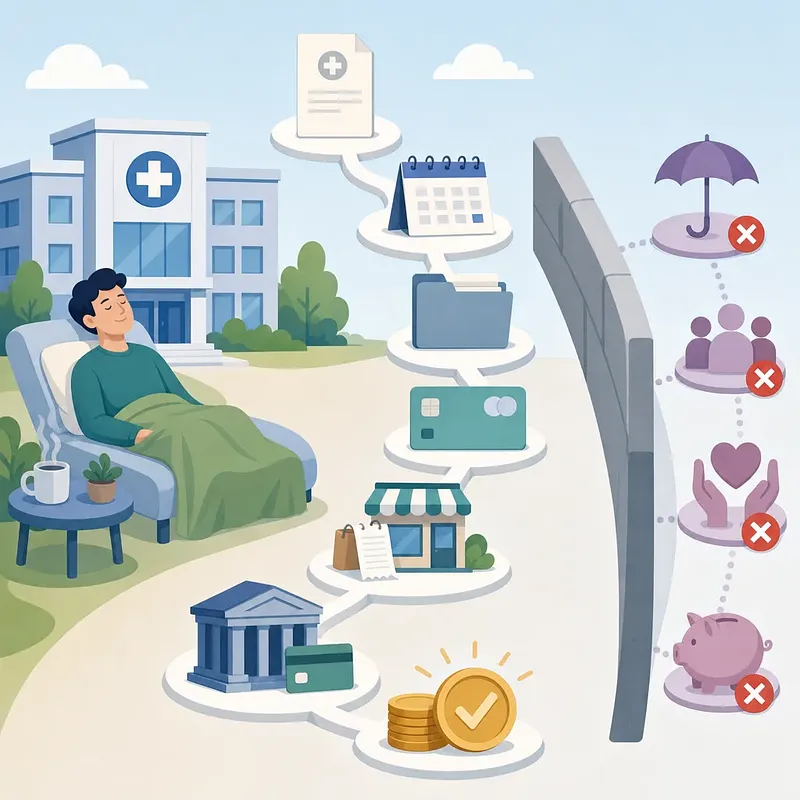
The 2026 Sickness Benefit can provide income support when an employed person cannot work because of a non-work-related illness or injury, but eligibility and payment rules differ by pilot area. Stage 2 applies in Anyang, Yongin, Dalseo-gu in Daegu, and Iksan. Applicants face income and property requirements, including household income at or below 120% of the median income, and the daily payment is 49,540 won. Stage 3 applies in Chungju, Hongseong, Jeonju, and Wonju, with no separate household income or property limits. Workplace health insurance employees may receive 60% of their average wage, within a daily range of 49,540 to 68,100 won. The article also outlines required medical and employment documents, plus restrictions involving overlapping benefits. Read more : https://injoys.com/en/articles/2026-korea-sickness-benefit-application-guide #SicknessBenefit #IncomeSecurity
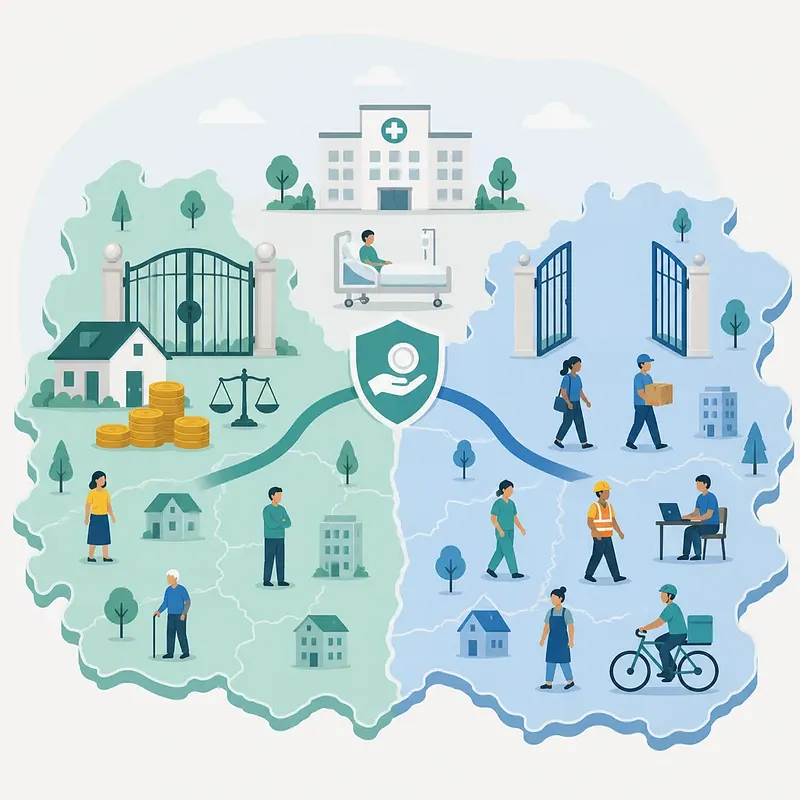
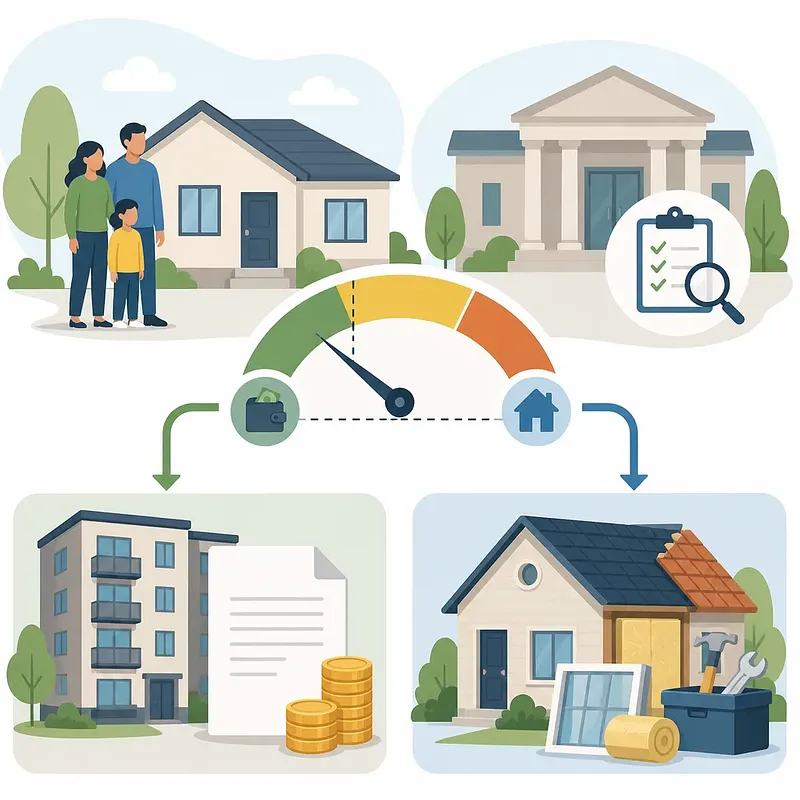
Understanding the 2026 Housing Benefit rules can help eligible households plan for rental expenses or necessary home repairs. Eligibility is based on recognized income at or below 48% of the standard median income. The monthly threshold is KRW 1,230,834 for a one-person household and KRW 3,117,474 for a four-person household. Rental benefits use the lower of standard rent and actual rent, with a possible household contribution depending on income. Eligible owner-occupiers receive inspection-based minor, medium, or major repairs instead of cash assistance. Applications can be submitted year-round through Bokjiro or the Administrative Welfare Center serving the applicant’s registered address. Read more : https://injoys.com/en/articles/2026-korea-housing-benefit-eligibility-application #HousingBenefit #Bokjiro

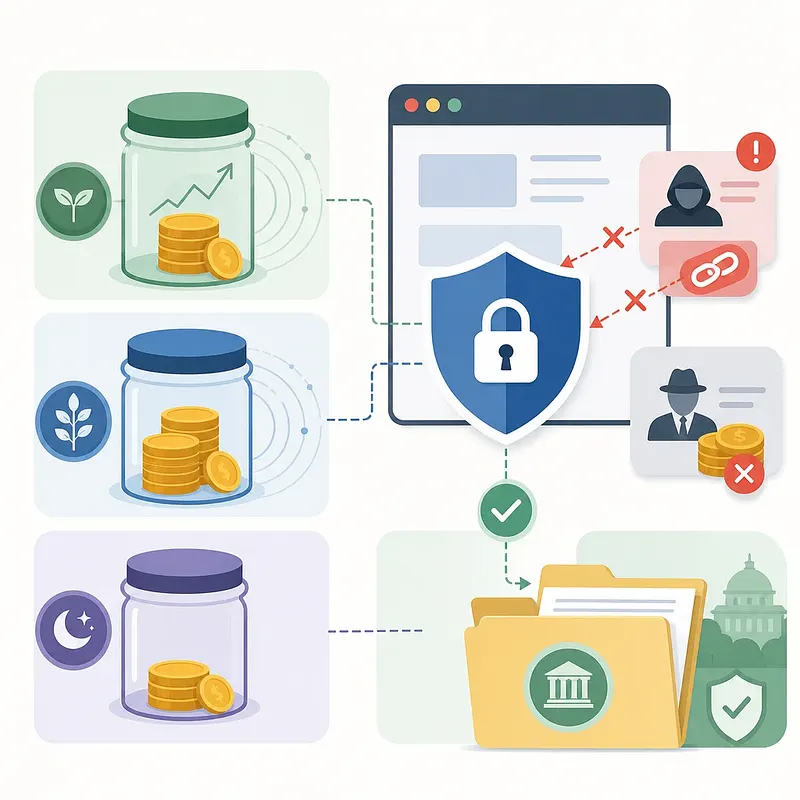
Approximately KRW 10.3 trillion in unclaimed insurance benefits became the focus of a targeted outreach campaign beginning July 7, 2026. Understanding the claim process matters because not every benefit follows the same path. Find My Insurance allows users to review enrollment records and interim, maturity, and dormant benefits after identity verification. Straightforward claims may qualify for simplified online filing, while large payouts or cases requiring beneficiary confirmation are reviewed separately by the insurer. The guide also explains interest treatment, the correct inquiry process for heirs, and why users should enter the official service address directly rather than trust text-message links or paid refund agencies. Read more : https://injoys.com/en/articles/2026-unclaimed-insurance-lookup-claim-korea #InsuranceClaims #FinancialFraudPrevention

2026 Storm, Flood, and Earthquake Disaster Insurance Before Typhoons and Flooding: From Tenants’ Belongings to Small Business Factories
For households and small businesses, disaster preparedness includes understanding insurance before severe weather arrives. Korea’s government-backed Storm, Flood, and Earthquake Disaster Insurance can cover homes, tenant-owned household belongings, greenhouses, shops, and factories. In 2026, annual coverage limits for eligible small businesses increased to a maximum of KRW 150 million for shops and KRW 200 million for factories. Standard home premium subsidies begin at 55%, with higher rates for qualifying low-income and disaster-vulnerable households. The article also explains fixed-benefit versus indemnity coverage and why the policy effective date matters: damage that has already occurred cannot be covered by a new policy. Read more : https://injoys.com/en/articles/2026-korea-storm-flood-earthquake-insurance-guide #DisasterInsurance #RiskManagement